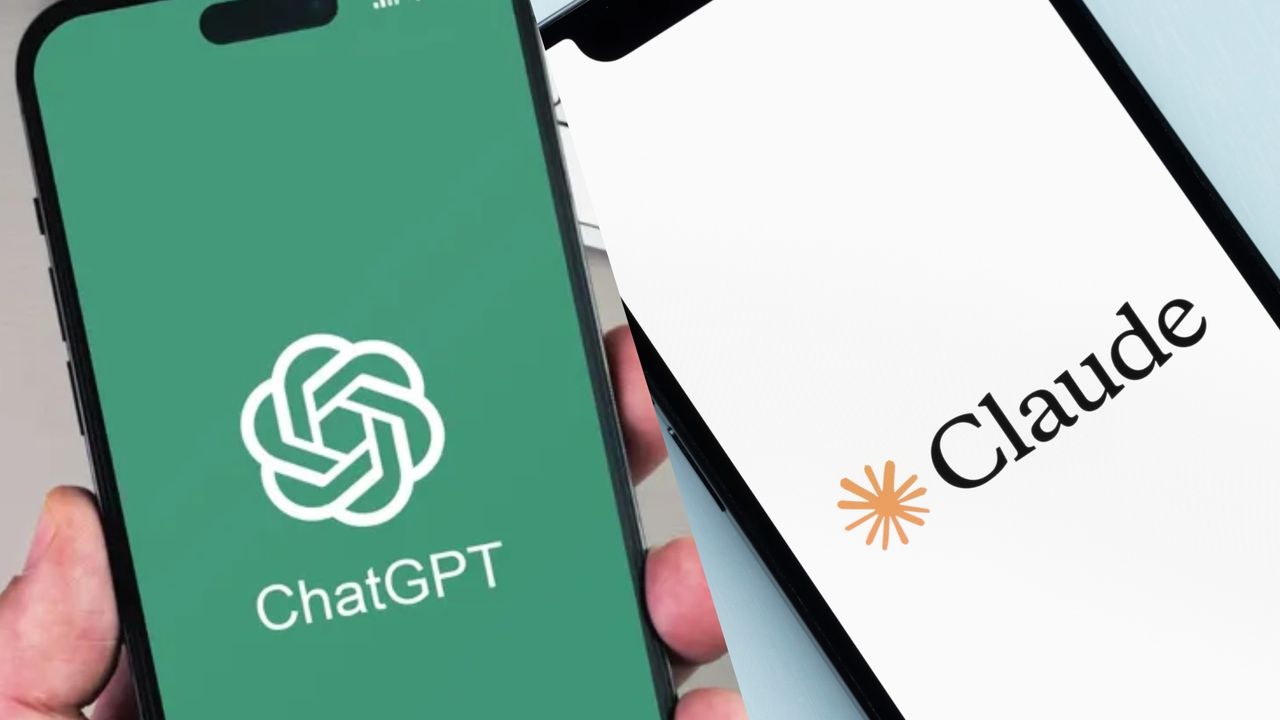
In a recent evaluation of AI chatbot capabilities, OpenAI’s latest model, ChatGPT-5.2, demonstrated significant advantages over Anthropic’s Claude Opus 4.5 in addressing real-life scenarios. The comparison, conducted by Tom’s Guide, involved a series of practical prompts representative of everyday challenges faced by users. The results highlighted the importance of actionable insights and practical guidance in AI interactions.
Real-Life Scenarios Tested
Rather than relying on conventional benchmarks or theoretical performance metrics, the tests were designed to reflect how individuals typically engage with AI. The prompts spanned various topics, including personal dilemmas, health inquiries, technical explanations, and creative aspirations. Here are the key findings from each scenario:
1. **Friendship vs. Honesty**
The first prompt involved a dilemma about whether to inform a friend about their fiancé’s doubts regarding an engagement. ChatGPT-5.2 offered comprehensive scripts and highlighted the urgency of the situation, while Claude Opus 4.5 provided less specific advice. Winner: ChatGPT for actionable guidance.
2. **Scientific Reasoning with Skepticism**
In a discussion about the safety of seed oils, ChatGPT-5.2 provided a practical toolkit for evaluating conflicting evidence. In contrast, Claude Opus 4.5 focused on a broader philosophical perspective. Winner: ChatGPT for its immediate usefulness.
3. **Technical Explanation with Real Application**
A marketing professional sought to understand APIs. ChatGPT-5.2 delivered relatable analogies connected to marketing functions, while Claude Opus 4.5 offered clear explanations without the same depth of relevance. Winner: ChatGPT for its targeted approach.
4. **Programming Problem with Competing Approaches**
In a coding context, ChatGPT-5.2 provided better examples and supportive questions. Although Claude Opus 4.5 offered balanced insights, it lacked the immediate applicability of ChatGPT’s advice. Winner: Claude for foundational understanding.
5. **Research Interpretation and Application**
Facing a health decision, a user inquired about the implications of their blood pressure readings versus medication options. ChatGPT-5.2 effectively broke down the numbers and suggested a balanced approach, while Claude Opus 4.5 framed the situation more philosophically. Winner: ChatGPT for its practical response.
6. **Creative Problem with Constraints**
Aspiring authors often juggle multiple responsibilities. ChatGPT-5.2 provided an actionable writing schedule, whereas Claude Opus 4.5 validated the user’s struggles but offered less practical advice. Winner: ChatGPT for its motivational framework.
7. **Meta-Cognitive Self-Awareness**
When prompted about the limitations of AI, Claude Opus 4.5 presented a thoughtful caution regarding long-term effects, while ChatGPT-5.2 focused on immediate strategies. Winner: Claude for its deeper ethical considerations.
Overall Evaluation
After testing these seven scenarios, ChatGPT-5.2 emerged as the clear victor. OpenAI’s model consistently provided actionable insights and practical guidance across diverse topics. The evaluation suggests that for users navigating complex issues, be it personal, health-related, or creative, ChatGPT-5.2 might be the chatbot of choice.
This assessment underscores the growing significance of practical, user-friendly AI applications in real-world contexts. As AI continues to evolve, the need for models that prioritize actionable guidance will only increase, making ChatGPT-5.2 a noteworthy contender in the chatbot landscape.