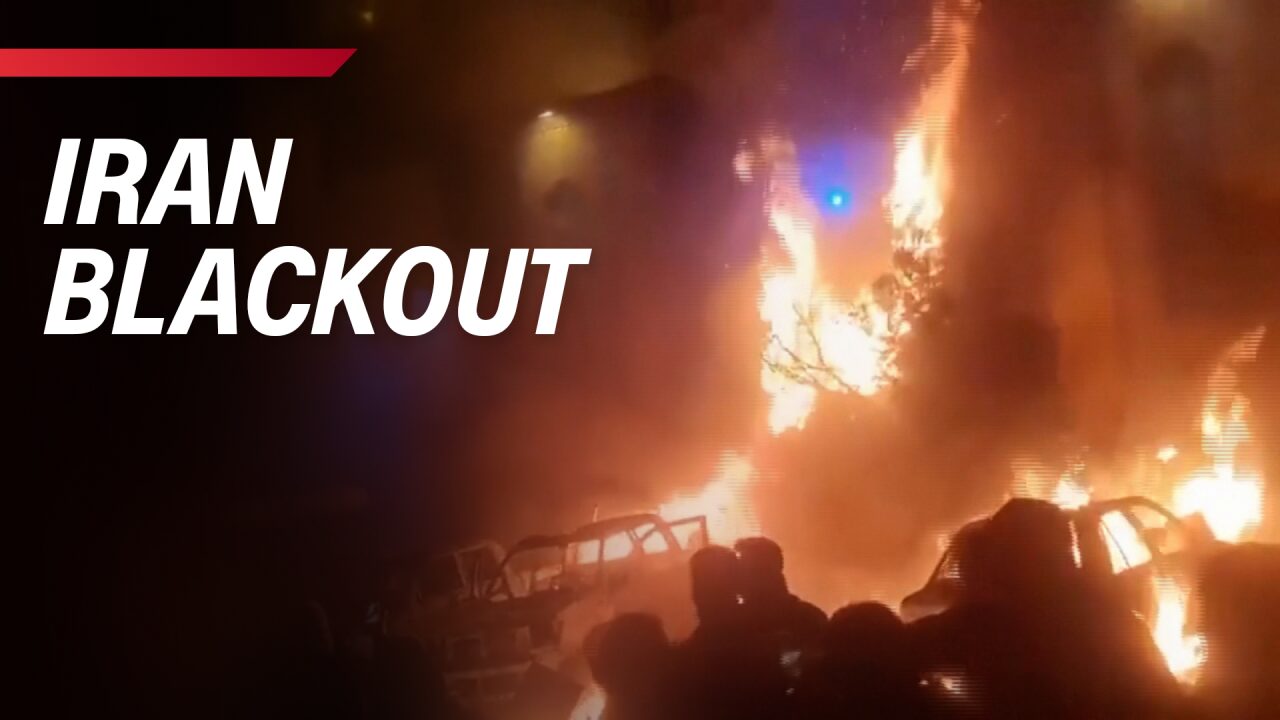
Protests across Iran show no signs of abating as the country enters a second day of an internet blackout imposed by authorities. The unrest, which has persisted for more than ten days, has been fueled by growing frustrations over economic issues such as rising inflation and discontent with the government.
In a significant development, Reza Pahlavi, the son of Iran’s last shah, has called for a nationwide strike lasting two days. In a video posted on X, he urged workers in critical sectors—including transportation, oil and gas, and energy—to join the strike starting Saturday, which marks the beginning of the workweek in Iran. Pahlavi, who has lived in exile since the 1979 Islamic Revolution, emphasized the importance of public demonstrations, encouraging citizens to take to the streets with flags and national symbols.
He stated, “The goal is to prepare to seize city centers and hold them,” asserting that the protests on Friday sent a strong message to the Iranian leadership. While Pahlavi’s appeal may resonate with some, it remains uncertain how much support he commands within Iran, especially considering his age during the revolution that ended his father’s 40-year reign.
As protests continue, the internet blackout has severely limited communication for Iranians. According to the watchdog group NetBlocks, the blackout reached over 36 hours as of Saturday morning. The organization reported that many are struggling to connect with friends and family amid ongoing demonstrations.
The government implemented the blackout following mass protests in Tehran on Thursday, which were met with significant police presence and repression. NetBlocks reported at 11:30 PM ET on Saturday that the blackout was still in effect, impacting the ability of Iranians to gather information or check on loved ones.
Protests began on December 28, 2023, as citizens expressed their frustration with the rising cost of living and dissatisfaction with the conservative ruling class and its security measures. As the situation evolves, the international community continues to monitor developments closely, highlighting the resilience of the Iranian people in their quest for change.
The coming days will be crucial as Pahlavi’s call for a strike may either galvanize support for the protests or lead to further crackdowns by the government. The unfolding events present a critical moment in Iran’s ongoing struggle for reform and stability.