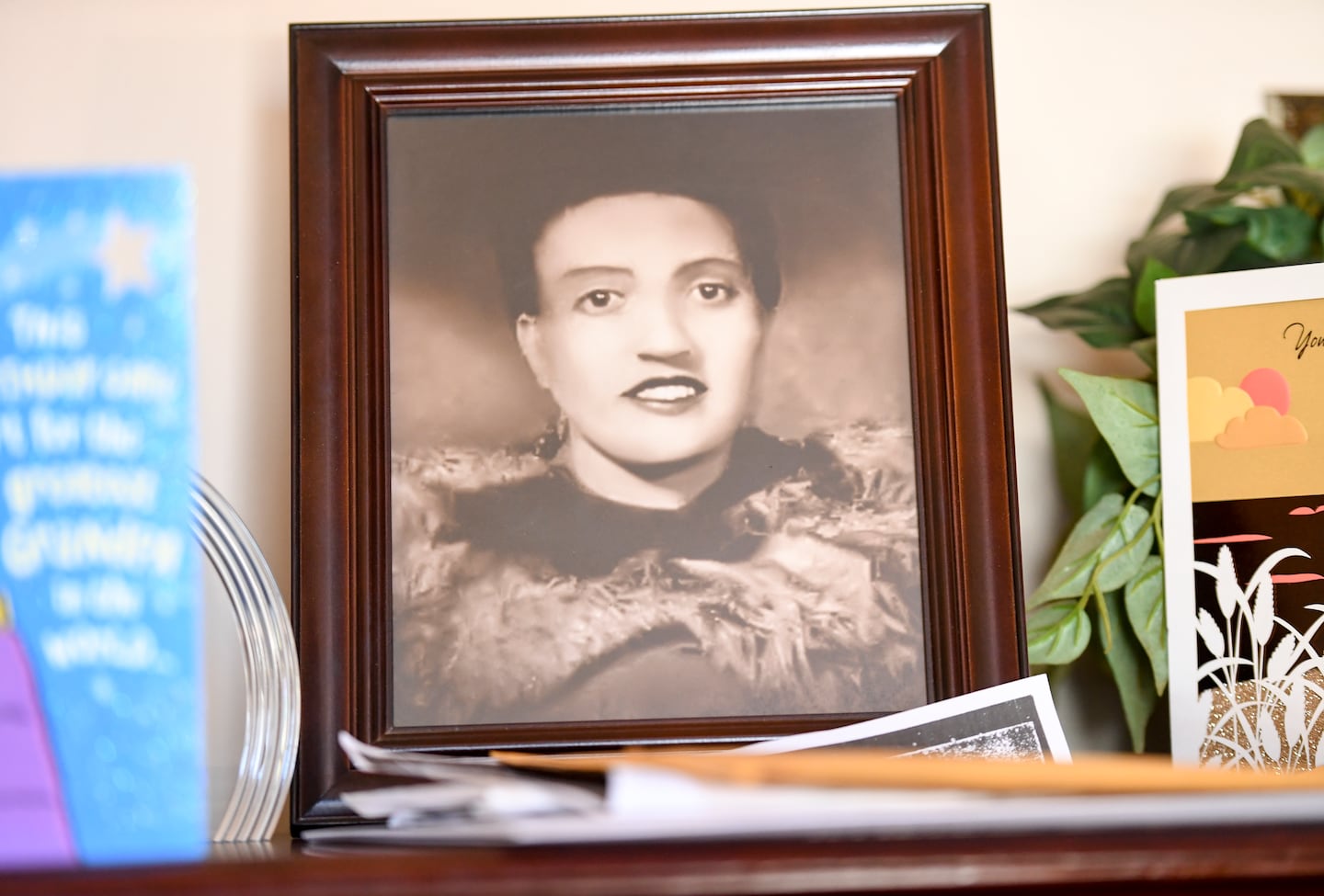
Seventy-five years ago, Henrietta Lacks unknowingly became a pivotal figure in medical history when her cells were harvested without consent. In 1951, doctors at Johns Hopkins Hospital took samples from Lacks, an African American patient suffering from cervical cancer, which led to the development of the first immortal human cell line, known as HeLa cells. These cells have since played a crucial role in countless medical breakthroughs, including the creation of vaccines for polio and HPV, as well as treatments for HIV/AIDS, leukemia, and influenza.
Despite her passing in 1951, Lacks’s legacy continues to shape the ethical landscape of medical research. Researchers today reflect on the profound impact of her cells, particularly in light of the historical context of her case, which highlights the need for informed consent in research practices. Dr. Cigall Kadoch, an associate professor of pediatric oncology at the Dana-Farber Cancer Institute and Harvard Medical School, emphasized how astonishing it is that Lacks’s cells were used in groundbreaking research without her knowledge.
The story of Henrietta Lacks gained widespread attention following the publication of Rebecca Skloot‘s book, “The Immortal Life of Henrietta Lacks,” in 2010. In recent years, her family pursued legal action against Thermo Fisher Scientific for profiting from a system that exploited individuals like Lacks, ultimately reaching a confidential settlement in 2023. Earlier this month, they also settled with Novartis, another major player in the pharmaceutical industry.
Born in 1920 in Roanoke, Virginia, Lacks worked on a tobacco farm before marrying David “Day” Lacks in 1941 and having five children. Her visit to Johns Hopkins on February 1, 1951, marked a turning point in her life. After a biopsy revealed cervical cancer, Lacks signed a consent form for necessary procedures, not realizing that this would lead to the extraction of both her tumor and healthy cells for research.
Dr. George Gey, the researcher who cultured Lacks’s cells, discovered their remarkable ability to survive and replicate indefinitely, a feat previously unattainable with human cells. Gey’s work with HeLa cells revolutionized research, allowing scientists worldwide to explore human biology, yet Lacks’s name remained largely unrecognized in the scientific community.
The contributions of HeLa cells extend significantly to HIV research. Dr. Sabrina Assoumou, an infectious disease physician at Boston Medical Center, credits her research on HIV treatments to the foundational work done with HeLa cells. Her current focus includes disseminating a long-acting HIV medication, which has been approved by the FDA. Assoumou aims to ensure accessibility for marginalized communities, emphasizing that HeLa cells have been critical in understanding the infection mechanism of HIV.
As research progresses, the influence of HeLa cells has led to advancements in gene sequencing, providing insights into the genetic underpinnings of various cancers. Kadoch explained that cancer is a diverse collection of diseases, necessitating a deeper understanding of its genetic variations. However, creating cell lines for all cancer types presents challenges, as cells can undergo changes under different laboratory conditions.
The ethical implications of Lacks’s story have sparked a reevaluation of informed consent in research. Assoumou has been instrumental in developing a course at Boston Medical Center aimed at educating medical interpreters about the historical context of medical mistrust, including Lacks’s case and the Tuskegee syphilis study. This course seeks to empower interpreters to advocate for patients who may not be proficient in English, fostering a more inclusive research environment.
Kadoch believes that informed consent is essential for ensuring diversity in research participants. Understanding how cancer affects individuals from various backgrounds is crucial for developing effective treatments. “We’ll do a better job for our worldly effort against cancer if we understand the heterogeneous repertoire of individuals that get these diseases,” she remarked.
Both Kadoch and Assoumou stress the importance of acknowledging the contributions of patients like Lacks. Kadoch encourages researchers to recognize the origins of their work, stating, “Know what you work with, and where it came from.” The story of Henrietta Lacks serves as a powerful reminder of the ethical responsibilities associated with medical research, highlighting the need for transparency and respect for individuals who contribute to scientific advancement.