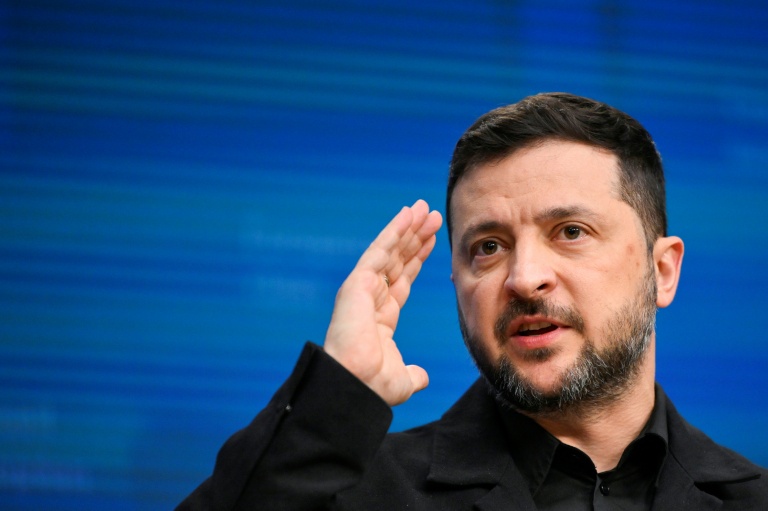
Ukrainian President Volodymyr Zelensky expressed concern over what he perceives as European leaders’ distraction from supporting Ukraine amid the ongoing conflict with Russia. Speaking at the World Economic Forum summit in Davos, Switzerland, Zelensky criticized the focus on the escalating tensions surrounding the U.S. interest in Greenland, a situation he described as a diversion from Europe’s commitment to aid Ukraine.
Zelensky’s remarks highlighted what he termed Europe’s “Greenland mode,” suggesting that leaders are prioritizing peripheral geopolitical issues instead of offering substantial support to Ukraine. He urged European partners to “act now,” emphasizing that the current situation requires immediate and decisive action rather than waiting for the situation to resolve itself. “Everyone gave attention to Greenland, and it is clear most leaders are not sure what to do about it,” he stated, questioning the long-term implications of inaction.
The Ukrainian president characterized Europe as a “fragmented kaleidoscope of small and middle powers,” indicating that this lack of unity often results in hesitation and deferral to larger nations. He argued that this pattern undermines European credibility and leaves Ukraine exposed to further aggression from Russia. Zelensky called for a shift from rhetoric to practical measures, including utilizing frozen Russian assets and targeting the “shadow fleet” that helps Russia evade sanctions.
Calls for Unified Military Action
Zelensky also reiterated the necessity for a unified European military capability under NATO, which aligns with Ukraine’s long-standing appeals for enhanced defense guarantees. His comments resonate with increasing calls from some European leaders, like Donald Tusk of Poland, who have voiced concern about the distraction that discussions around Greenland pose to confronting Moscow’s actions.
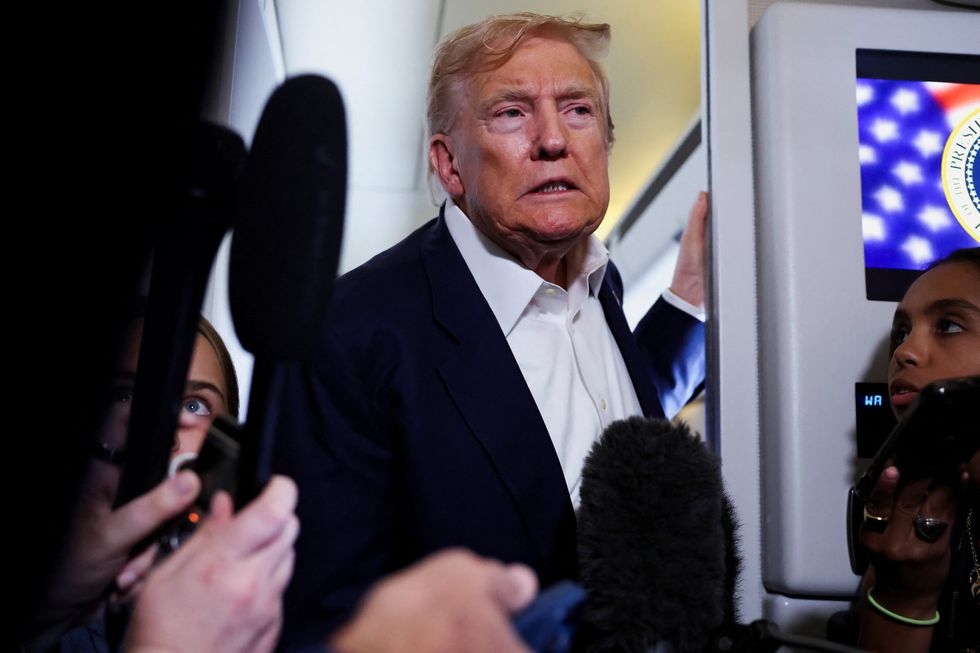
During the Trump administration, Greenland was thrust into the spotlight as the U.S. sought to assert greater control over the island, with discussions of its strategic value against both China and Russia. Trump’s comments included implications that military action could not be ruled out to acquire Greenland, although he later denied any intention to do so during a press conference in Davos.
Domestic Reactions to the Greenland Debate
The Greenland dispute has sparked protests in both Denmark and Greenland, with activists rallying under the slogan “Greenland is not for sale.” Numerous officials within both countries condemned Trump’s aggressive posture toward the territory, reinforcing local sentiment against the perceived threat to their sovereignty.
A recent January 2026 poll by YouGov indicated a significant opposition among Americans to Trump’s tactics regarding Greenland, reflecting a broader discontent with his administration’s foreign policy approach. This feedback emphasizes the complexities and challenges that both domestic and international leaders face in navigating the geopolitics surrounding this issue.
As Zelensky continues to advocate for more robust support from Europe, the juxtaposition between the Greenland discussions and the urgent needs of Ukraine remains a critical point of discourse among global leaders. The outcome of these deliberations will likely have lasting implications for European unity and the ongoing struggle against Russian aggression.