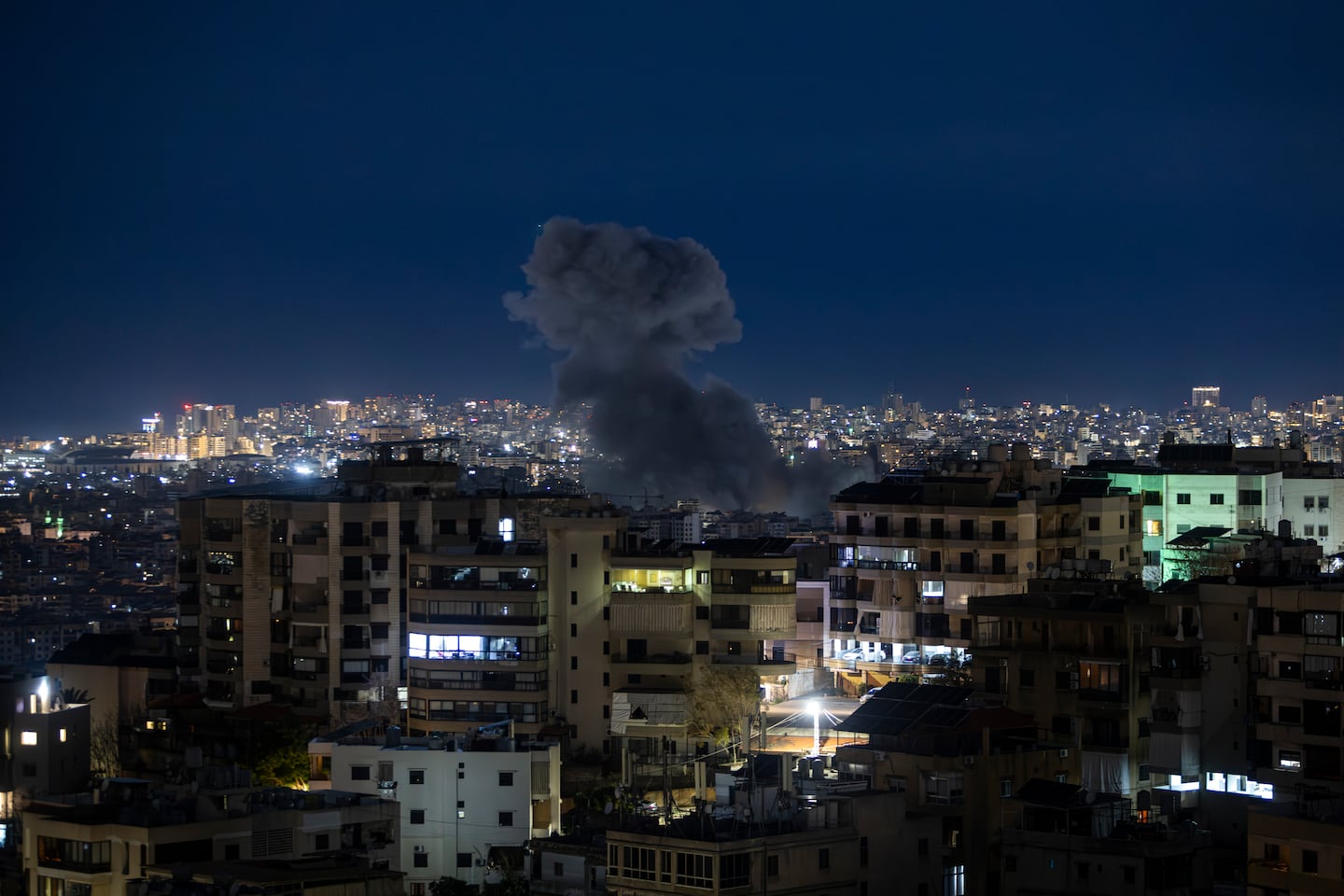
The military conflict in the Middle East escalated as Israeli airstrikes targeted both Tehran and Beirut, while the United States reportedly struck an Iranian drone carrier at sea. This surge of military action is part of a broader campaign aimed at dismantling Iran’s naval capabilities. Early on Friday, Iran launched retaliatory attacks against neighboring countries hosting US forces, although no immediate casualties have been reported from these exchanges.
The latest round of strikes marks a week of intense military activity across the region. The Israeli military claims that its operations have significantly degraded Iran’s air defenses and missile launchers, indicating a strategic shift in the conflict. In response, US Defense Secretary Pete Hegseth warned that military strikes against Tehran are “about to surge dramatically.”
Regional Responses to Escalation
In a related development, the Saudi Defense Ministry reported the interception of three drones in the eastern regions of Riyadh. An earlier statement noted that a cruise missile was intercepted over the city of Kharj, underscoring the threat posed by Iranian military operations. The ministry’s actions reflect a robust defense posture in response to the heightened tensions in the region.
Meanwhile, Iranian state television reported that a leadership council convened to discuss the upcoming meeting of the country’s Assembly of Experts, which is responsible for selecting the next supreme leader. This panel includes notable figures such as President Masoud Pezeshkian, judiciary chief Gholam Hossein Mohseni Ejehi, and cleric Ayatollah Ali Reza Arafi. While the statement did not provide a timeline for the selection process, it highlighted the importance of this assembly amid ongoing military conflicts.
Impact of Ongoing Military Actions
The airstrikes have not only targeted military installations but have also impacted buildings associated with the Assembly of Experts, which comprises 88 clerical members. This targeting raises concerns about the broader implications of the conflict on Iran’s political landscape, especially as the country prepares to choose a successor to the aging supreme leader.
As the situation continues to evolve, international observers are closely monitoring the ramifications of these military actions. The potential for further escalation remains high, with various stakeholders in the region poised to respond to any advancements in the ongoing conflict. The situation underscores the fragile state of peace in the Middle East and highlights the complex dynamics at play among local and international actors.
The ongoing military engagements indicate shifting power balances and raise significant concerns about stability in the region. With military operations intensifying, the international community watches closely as events unfold, aware that the consequences of these actions could have far-reaching implications.