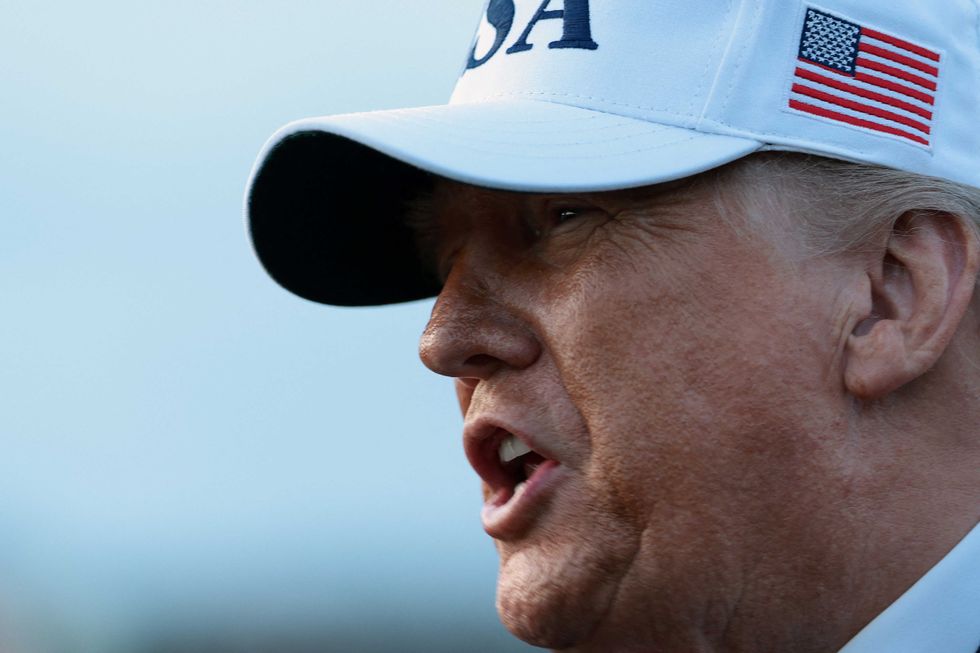
Protests in Minneapolis intensified over the weekend following the death of Renee Good, as President Donald Trump threatened to deploy military forces to Minnesota. The unrest stems from ongoing demonstrations against the actions of the Immigration and Customs Enforcement (ICE) agency, which has faced scrutiny for its involvement in the case surrounding Good’s death earlier this month.
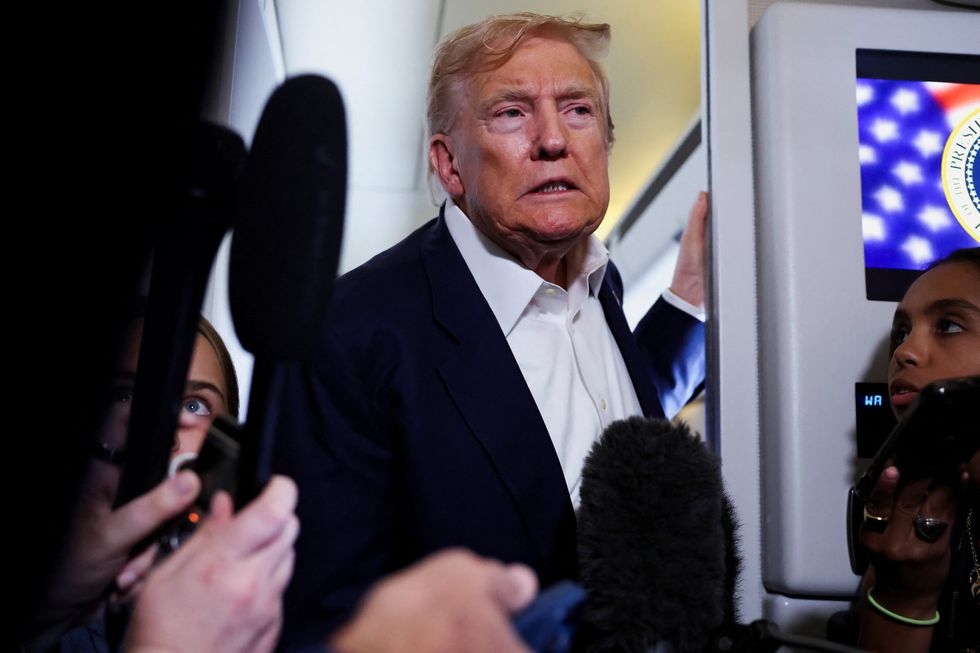
On March 10, 2024, thousands gathered in Minneapolis to voice their opposition not only to Good’s killing but also to the significant presence of ICE agents in the city. Demonstrators expressed concerns about the impact of federal enforcement actions on local communities. In response, Trump took to his social media platform, Truth Social, reiterating his willingness to use military force if necessary.
Trump’s message included criticism aimed at Representative Ilhan Omar (D-MN), who has urged protesters to maintain peace and avoid violent confrontations. He falsely accused her of marrying her brother and questioned Minnesota’s stance on crime, stating, “ICE is removing some of the most violent criminals in the World from our Country, and bringing them back home, where they belong. Why is Minnesota fighting this?”
The president characterized the protests as being influenced by “highly paid professional agitators and anarchists,” raising concerns that such actions might be used to justify invoking the Insurrection Act, a law from 1807 granting the president broad authority to deploy military forces domestically.
The protests in Minneapolis come as the city grapples with heightened tensions related to alleged fraudulent activities linked to the Somali daycare scandal, which has prompted a significant ICE presence. Trump’s remarks were aimed at redirecting attention from the state’s financial issues, which he described as a “$18 billion Plus FRAUD.”
The unfolding events reflect the complex interplay between local governance, federal authority, and community response, as the situation in Minneapolis continues to develop. Local leaders and community members remain divided over the involvement of federal enforcement in addressing crime and maintaining public safety.
As protests continue, the dynamics between local leaders, federal authorities, and residents are likely to evolve, with implications for both public policy and community relations in Minnesota and beyond.