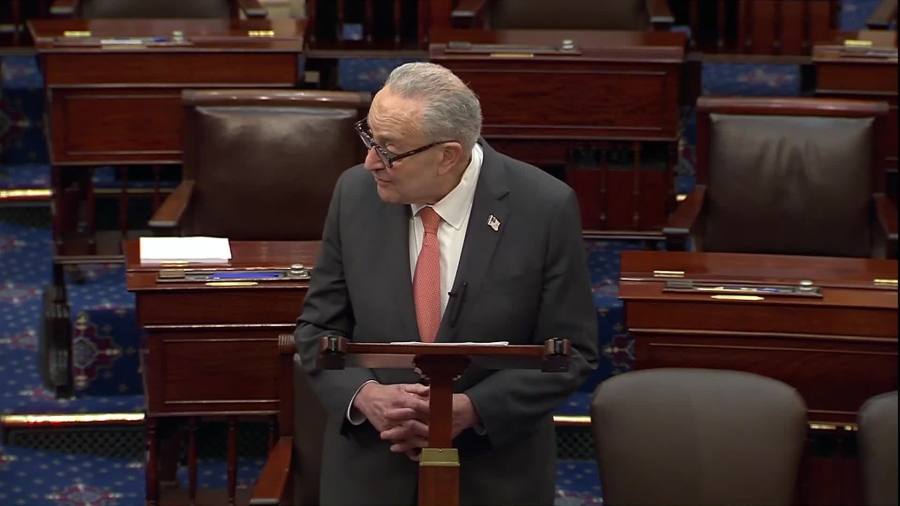
The U.S. Senate voted on July 12, 2023, to block a War Powers Resolution aimed at limiting presidential authority regarding military actions in Iran. The resolution, introduced by Senate Democrats, sought to prevent the president from initiating further military strikes without congressional approval. This decision comes at a time when tensions in the Middle East are escalating, highlighted by reports from the Pentagon regarding the sinking of an Iranian warship.
The vote concluded with a majority of Senate Republicans opposing the resolution, which failed to garner the necessary support to advance. The rejection reflects a broader debate within Congress about the balance of power between the executive and legislative branches concerning military engagement.
Senator Tim Kaine, a leading proponent of the resolution, expressed disappointment over the outcome. Kaine stated, “Congress has a constitutional responsibility to authorize military action, and this resolution was a step toward reclaiming that authority.” His remarks underline the ongoing concerns among some lawmakers about the potential for unchecked military action.
The situation in the Middle East remains volatile, with recent military confrontations increasing the urgency for legislative measures aimed at oversight. According to the Pentagon, the Iranian warship was reportedly targeted in a naval engagement, raising alarms about potential escalations in military conflicts in the region.
In response to the Senate’s decision, Senate Majority Leader Chuck Schumer emphasized the need for Congress to play a more significant role in decisions related to military force. “This is not just about Iran; it’s about ensuring that we respect the constitutional process and protect our servicemen and women,” he stated.
The War Powers Resolution, originally passed in 1973, aims to ensure that both Congress and the president share responsibility for military decisions. Despite this, the executive branch has often operated with considerable latitude, prompting discussions about the effectiveness of the resolution in the modern context.
As tensions persist, the dynamics of U.S. foreign policy toward Iran will remain under scrutiny. The Senate’s recent vote illustrates the complexities of bipartisan agreement on military engagement and the challenges facing those advocating for a more restrained approach to military action.
With the ongoing unrest in the Middle East, lawmakers are likely to continue debating the appropriate measures to address security concerns while upholding the legislative authority over military operations. The implications of this vote will undoubtedly shape discussions on U.S. military policy and its constitutional foundations in the months to come.