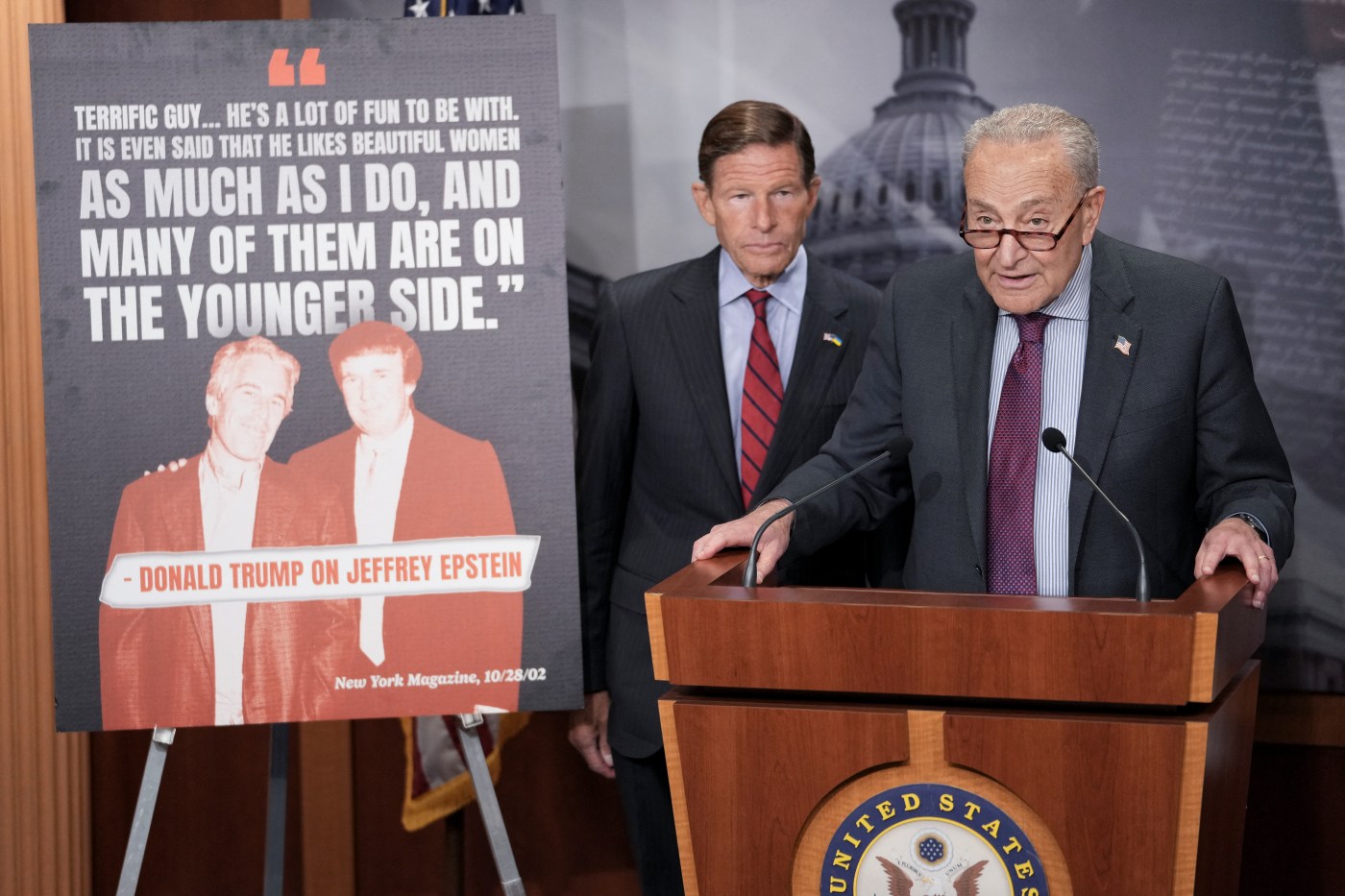
The fallout from the Jeffrey Epstein scandal continues to provoke a wide array of opinions, with readers expressing their thoughts on the intersection of political maneuvering and the legacy of significant cultural figures. Recent discussions have highlighted varying perspectives on the implications of the Epstein case and the passing of renowned playwright Tom Stoppard.
Epstein Fallout and Political Reactions
In Malverne, Long Island, one reader criticized the conspiracy theories surrounding the Epstein files, suggesting that many of the claims made by both political parties are exaggerated. This individual believes that the investigation, which spanned two administrations, failed to connect specific individuals to any crimes. They argue that while associations with Epstein may carry a stigma, they do not inherently imply guilt.
Furthermore, the reader expressed skepticism about the motivations behind the potential release of names associated with Epstein, noting that prominent figures from the Democratic Party could face embarrassment rather than legal consequences. The concern remains that the Justice Department must prioritize the victims of Epstein’s actions over political theatrics.
Another voice from Madisonville, Pennsylvania, questioned former President Donald Trump‘s reaction to members of Congress reminding military personnel of their right to disobey illegal orders. This reader implied that Trump’s response raises questions about his intentions and the legality of potential orders he might issue.
Legacy of Tom Stoppard and Cultural Reflections
The recent passing of Tom Stoppard, celebrated for his contributions to theatre and film, has also sparked discussion among readers. Stoppard, who won an Oscar for the screenplay of Shakespeare in Love and secured five Tony Awards for Best Play, is remembered for his wit and profound storytelling. His legacy spans from London to Hollywood, with notable works including his adaptations for the big screen.
In addition to Stoppard’s illustrious career, another reader raised concerns regarding the portrayal of sensitive subjects in popular media. A comic strip depicting the burning of St. Joan of Arc prompted criticism for trivializing a historical martyr’s suffering. This reader lamented the use of such imagery for humor, questioning whether it reflects a broader societal trend toward insensitivity in art.
Amidst these discussions, the topic of housing support programs arose, as a reader from Huntington, Long Island, criticized the CityFHEPS program for its limited eligibility. Advocating for a more inclusive approach, they suggested implementing a Section 8-type program that would benefit all rent-stabilized units, thus offering better support for tenants and property owners alike.
The varied opinions reflected in the discussions highlight the complexities surrounding political narratives, cultural legacies, and societal values. As more voices join the conversation, the implications of both the Epstein scandal and Stoppard’s work will continue to resonate within public discourse.