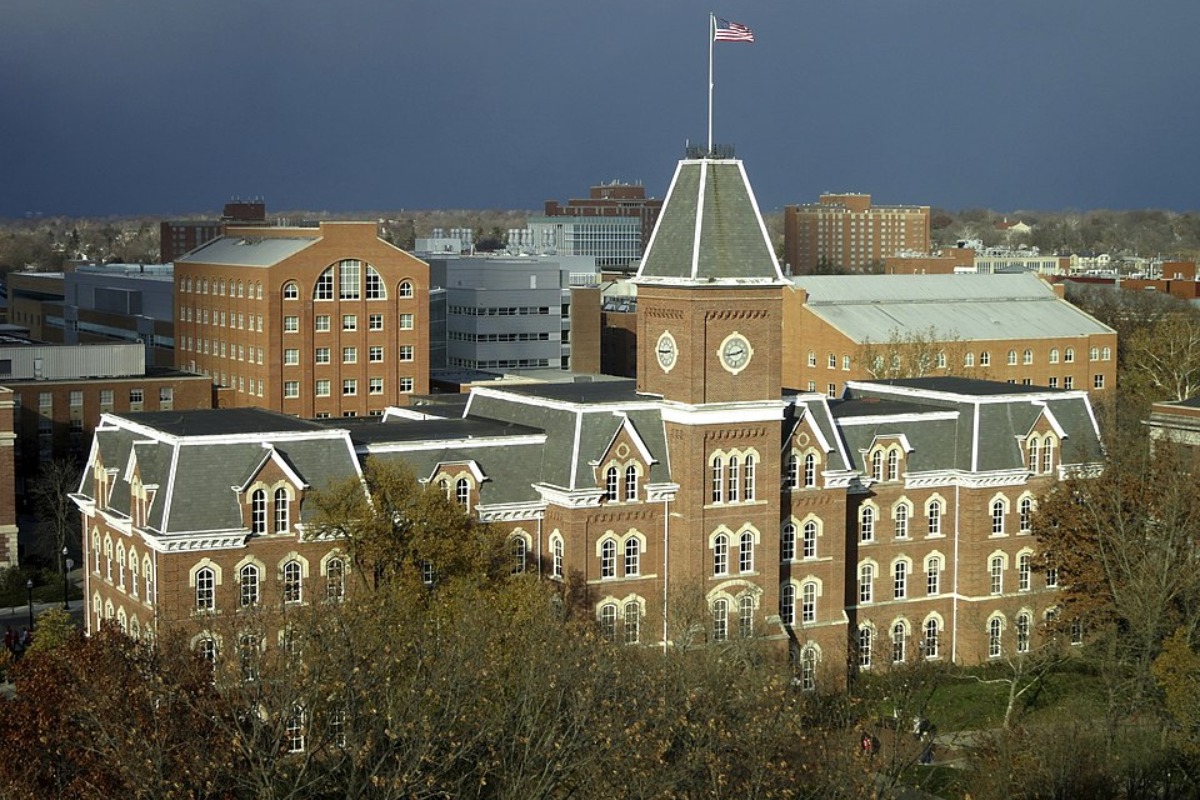
The recent capture of Venezuelan President Nicolas Maduro during “Operation Absolute Resolve” has prompted a significant shift in U.S. foreign policy discourse, as discussed at a panel hosted by Ohio State University. Scholars from the Mershon Center for International Security Studies gathered to analyze the changing language in American diplomacy concerning Venezuela, according to a report by OSU News.
New Diplomatic Language Emerges
During the panel, Christopher McKnight Nichols highlighted a noticeable departure from the traditional emphasis on human rights to a focus on oil and narcoterrorism. Nichols remarked, “It’s a paradigm shift about even how the U.S. described this act,” contrasting the current narrative with previous justifications for foreign intervention. This evolution in language signifies a broader change in how the United States positions its foreign policy.
In a related development, Delcy Rodriguez, Venezuela’s acting president, announced the release of political prisoners. This action is interpreted as a nod to America’s historical commitment to human rights, although it was not a direct demand from the U.S. government. The panelists examined the implications of this legal maneuver in the context of U.S. foreign policy.
Implications for Geopolitical Strategy
Panelists such as Dakota Rudesill explored the legal ramifications of the operation, while others like Mathew Coleman and Max Woodworth discussed the geopolitical consequences, particularly concerning oil resources. Coleman noted a shift towards a more transparent approach in U.S. foreign affairs, stating, “There’s really no attempt here to hide the machinations of statecraft.” He emphasized that this clarity allows even casual observers to understand ongoing events without needing to decipher complex policies.
This newfound transparency suggests a more spontaneous approach to U.S. foreign policy, with Coleman asserting that statecraft is now being “stated bluntly; it’s stated plainly.” This marks a departure from previous administrations, where grand strategies often remained obscured from public view. Coleman referenced a quote from Karl Rove, stating that the U.S., as an empire, can create its own reality through direct action, leaving the world to interpret the implications.
As the United States appears to shift away from its previous human rights advocacy towards a frank articulation of its interests, the discussions at Ohio State University paint a picture of a foreign policy landscape that is increasingly open about its motivations. The events unfolding in Venezuela provide a case study for this new era of candid American diplomacy, where actions and their justifications are laid bare for international scrutiny.
The panel’s insights reflect a changing dynamic in global relations, suggesting that the U.S. is ready to embrace a more straightforward approach in its foreign engagements, with potential long-term implications for international diplomacy.