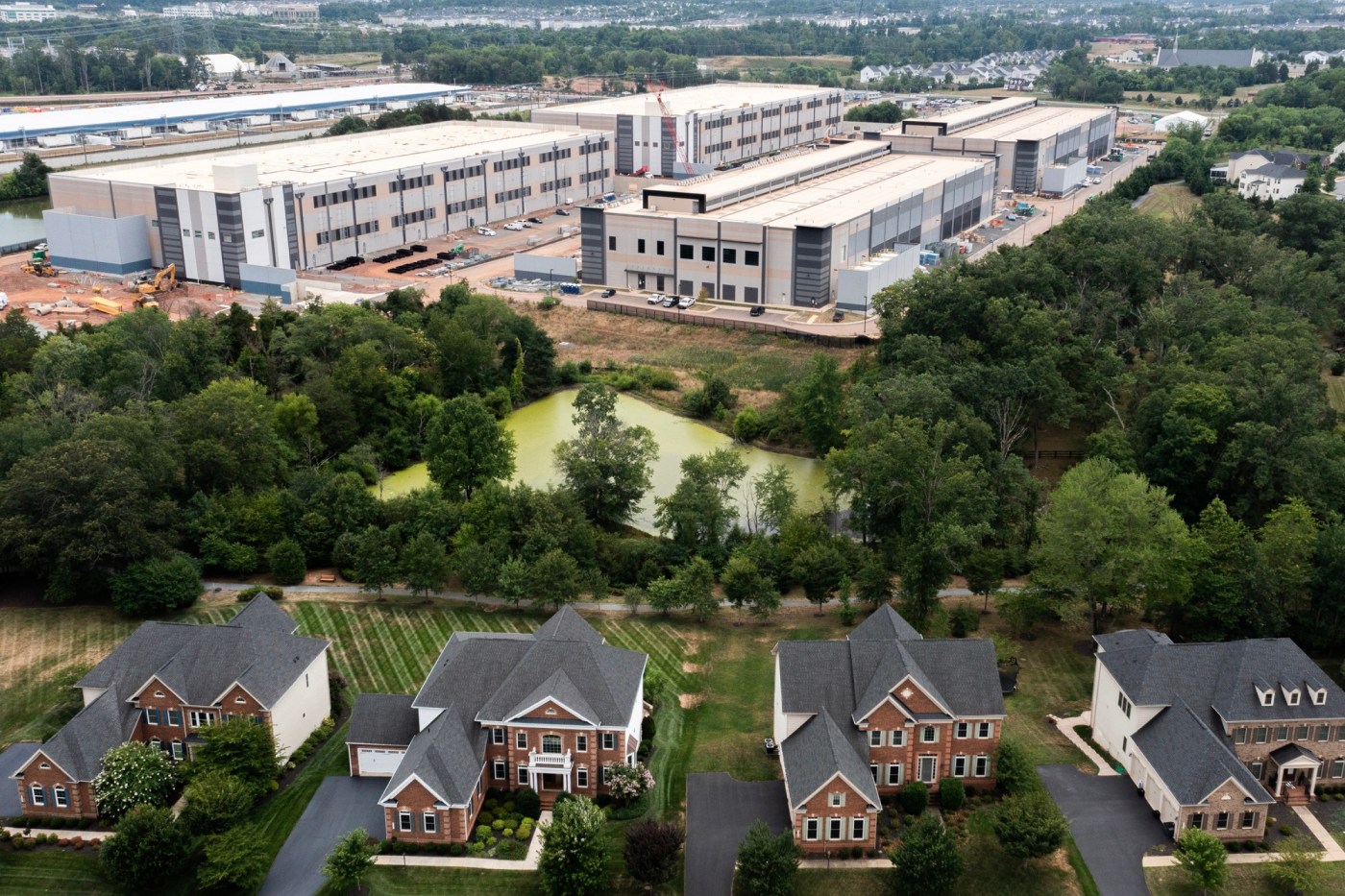
Local officials in Pennsylvania are encountering significant resistance to the proposed expansion of data centers, particularly in the Lehigh Valley. Concerns have been raised about the environmental and social impacts of these facilities. The Executive Director of the Lehigh Valley Planning Commission, Becky Bradley, described data centers as the “new reality,” suggesting that communities must adapt to their presence. However, many residents argue that this is not an inevitable development, but rather a choice made by officials prioritizing corporate interests over community well-being.
As the demand for data centers grows, local communities are feeling the repercussions. The influx of these facilities is compared to the effects of rapid online retail expansion, such as increased traffic congestion and deteriorating air quality. Critics assert that the growth of data centers, driven by artificial intelligence technologies, comes at a significant cost to local residents. The situation raises questions about the long-term implications of allowing these developments to proliferate.
The argument against data centers is multifaceted. Firstly, they are said to threaten the affordability of living in the region. Reports indicate that in states like Virginia, Georgia, and Oregon, utility rates have surged due to the financial incentives offered to data centers. In Lehigh County, where many residents are already struggling to manage their utility bills, the potential for increased costs poses a serious concern. As noted by Jon Irons, a Lehigh County commissioner and vice chair of the Development and Planning Committee, residents will likely see their electricity rates rise, impacting everyone, regardless of their proximity to new data centers.
Environmental considerations also loom large in this discussion. Data centers typically require substantial amounts of water for cooling and can generate significant amounts of waste. In places like Shelby County, Tennessee, the Colossus data center has been identified as a major source of nitrogen oxide emissions, contributing to local air pollution. Given that the Lehigh Valley already faces challenges with clean air and water quality, the potential environmental impacts of additional data centers raise alarms among community members.
Moreover, there are economic implications to consider. Data centers do not necessarily create jobs or contribute positively to the local economy. The technology that drives their demand, such as surveillance systems and automated decision-making, can lead to negative outcomes in various sectors, including healthcare and housing. For instance, automated systems may deny health insurance claims or manipulate housing data, exacerbating issues like high eviction rates in Lehigh County.
The pushback against data centers reflects a broader call for greater community involvement in development decisions. As Irons points out, while Pennsylvania is a right-to-develop state, it is crucial for residents to assert their interests and influence legislation. Renowned anthropologist Jason Hickel emphasizes the need for a democratic approach to economic development, suggesting that true progress should prioritize social and ecological needs.
To counter the expansion of data centers, community members are encouraged to organize and advocate for regulations that align with their interests. This includes engaging in discussions about the potential risks associated with data centers and developing strategies for resistance. The sentiment among many is clear: data centers are not welcome in the Lehigh Valley.
As the debate continues, residents are urged to take action and ensure that their voices are heard. The Lehigh Valley has the potential to lead in establishing effective regulations for data centers, ultimately fostering a more sustainable and equitable future. The community’s unique characteristics should guide development, prioritizing human intelligence and long-term benefits over corporate gains.