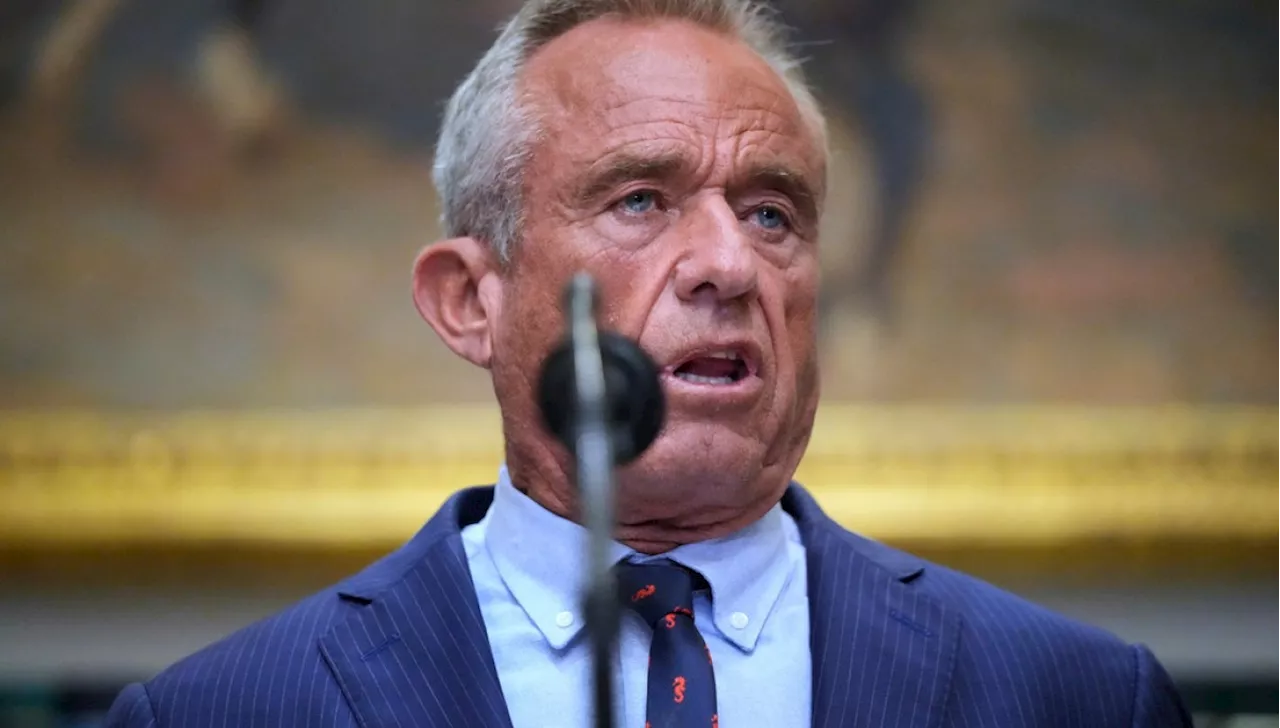
The U.S. Department of Health and Human Services (HHS) is facing scrutiny after proposing new regulations for pharmaceutical advertising that many believe could infringe on free speech rights and limit patient access to vital medical information. Critics argue that the proposed measures, which would impose extensive disclosure requirements, risk stifling legitimate advertising and deterring companies from promoting new treatments.
Proponents of drug advertisements assert that these communications are crucial for educating patients about available options and empowering them to engage in informed discussions with healthcare providers. Supporters maintain that access to truthful, scientifically substantiated information can lead to better health outcomes, enabling patients to make educated decisions regarding their care.
The controversy centers around a proposal that would introduce a series of complex disclosure requirements for television and radio ads. According to observers, these requirements could create a de facto ban on direct-to-consumer (DTC) advertising by making compliance nearly impossible. The proposed changes echo past regulatory challenges, notably a significant court ruling in 1995 that struck down previous restrictions deemed unconstitutional.
Historically, the pharmaceutical industry has navigated a challenging regulatory landscape. In the late 1990s, following a legal dispute involving GlaxoSmithKline, regulatory bodies agreed to a compromise. This compromise allowed DTC ads to continue as long as they included a “major statement” of risks and directed consumers to additional product information. This approach enabled the industry to communicate effectively while adhering to safety standards.
The current proposal has sparked concerns among legal experts and health advocates. Critics argue that it violates fundamental principles of free speech outlined in the First Amendment. Previous court decisions have consistently ruled against government restrictions that limit truthful communication, emphasizing that consumers have the right to receive comprehensive information about products that may impact their health.
Legal scholars warn that if the HHS moves forward with these new regulations, they may face significant legal challenges. The Supreme Court has repeatedly affirmed that the government cannot impose restrictions on speech simply because it may influence consumer behavior. A ruling in favor of the HHS could redefine the balance between patient safety and the right to free expression within the pharmaceutical sector.
In response to the proposed regulations, industry representatives emphasize that the solution to misinformation is not to silence communication but to enhance transparency. They cite evidence that DTC advertisements have encouraged millions to seek medical attention for previously unaddressed conditions, leading to earlier diagnoses and improved health outcomes.
Advocates for patient rights argue that limiting information only serves to deepen the divide between patients and necessary medical knowledge. They contend that HHS should abandon its current strategy and instead focus on fostering an environment where clear communication thrives, empowering patients rather than restricting their access to vital information.
The HHS’s proposed reforms may be framed as efforts to protect consumers, but many see them as a troubling step towards censorship. As the debate unfolds, the fundamental question remains: Are consumers better served with reduced access to information, or is greater transparency the key to informed decision-making in healthcare?
As this issue continues to develop, stakeholders from various sectors will be closely monitoring the implications of any regulatory changes, particularly regarding their potential impact on patient empowerment and public health.