Recent discussions in San Jose have raised significant concerns regarding the role of police in crisis intervention, particularly in situations involving mental health and homelessness. Letters to the editor published in local media have highlighted varying perspectives on this issue, with some community members advocating for alternative approaches.
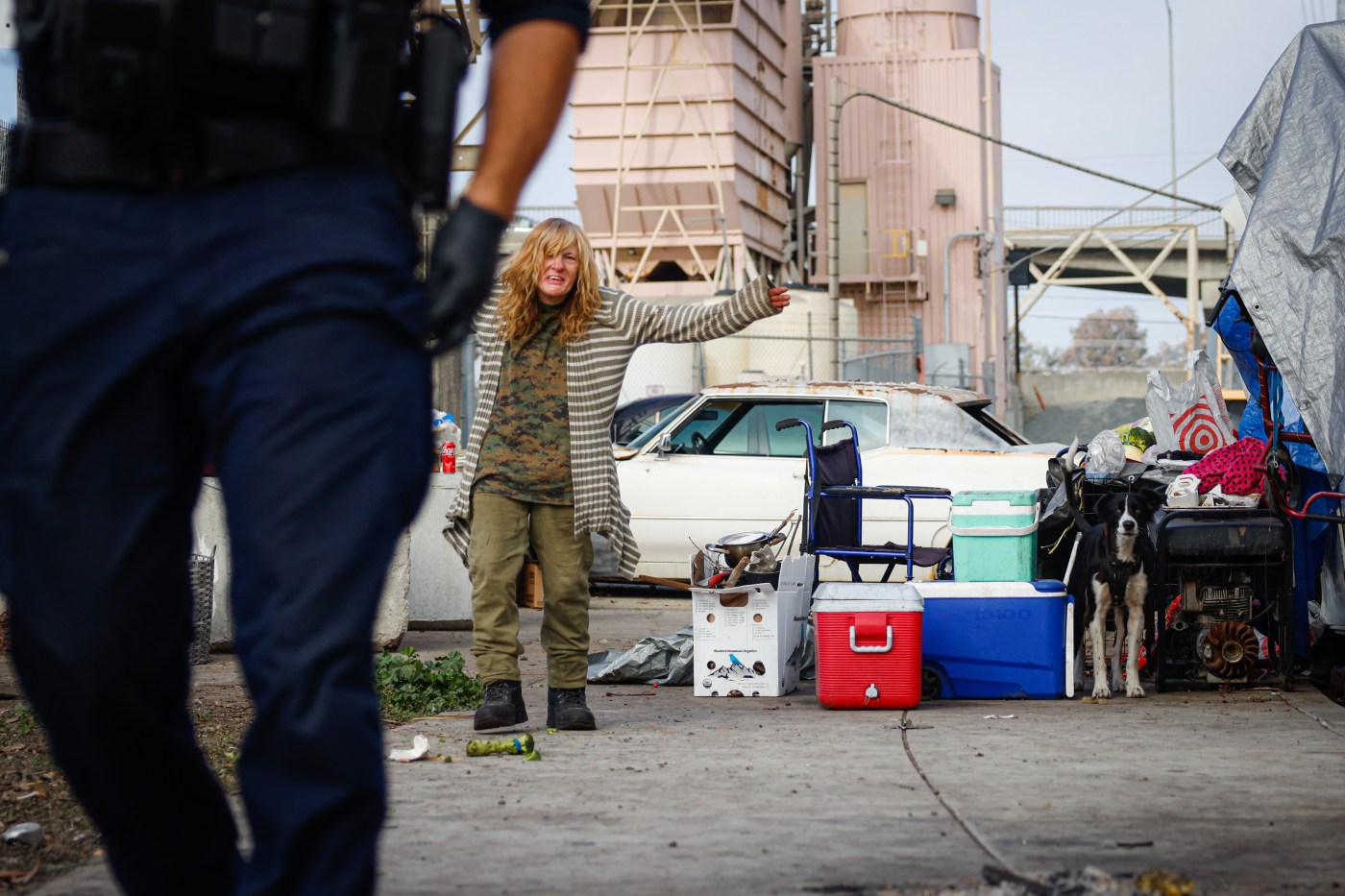
One prominent letter from Andrew Siegler emphasizes that police officers, including those in the San Jose Police Department (SJPD), are not adequately trained to handle crises associated with mental health and substance use. He argues that while SJPD’s Neighborhood Quality of Life officers receive crisis intervention training, the comparison to professional counselors is misleading. Siegler points out that counselors undergo extensive education and thousands of hours of supervised clinical practice, which police officers do not possess. He cites a troubling trend: since implementing mandatory Crisis Intervention Training (CIT), the number of injuries and deaths involving individuals in crisis reportedly worsened. Siegler advocates for a behavioral health-led response staffed by clinicians and social workers, suggesting this model could be safer and more effective.
The issue of homelessness also surfaced in letters addressing the need for compassionate understanding. Zakria Ahsan reflected on an essay about love within homeless camps, noting that while these spaces foster connection, they should not be misconstrued as acceptable living conditions. He stresses the importance of recognizing the dignity and humanity of those experiencing homelessness, advocating for a deeper understanding of their circumstances.
Another poignant letter from Teresa Chase shares her experience of living in a transitional housing unit since October 5, 2025. While she expresses gratitude for the support, she describes feeling suspended between homelessness and stable housing, highlighting the emotional toll of this “unhoused gap.” Chase calls for a societal commitment to caring for vulnerable populations, urging systems that prevent individuals from reverting to precarious situations.
The conversation about community support extends to seniors facing isolation. David Muhlitner, president of Heart of the Valley Services for Seniors, addressed the growing issue of loneliness among older adults. His organization has provided essential services such as home repairs and transportation since 1987. Muhlitner notes that the companionship offered by volunteers is just as critical as the services rendered, underscoring the need for human connection.
In a different vein, letters also reflect on the actions of public figures. One letter references former leaders like Margaret Thatcher, comparing their wartime strategies to current political maneuvers. Critics suggest that such actions may serve as distractions from pressing domestic issues, including corruption allegations against global leaders.
As these diverse perspectives circulate, they contribute to an ongoing dialogue about how communities can best respond to crises involving mental health, homelessness, and the broader societal responsibility to care for vulnerable populations. The voices of residents in San Jose call for a reconsideration of traditional approaches, advocating for solutions that prioritize compassion and understanding over enforcement.