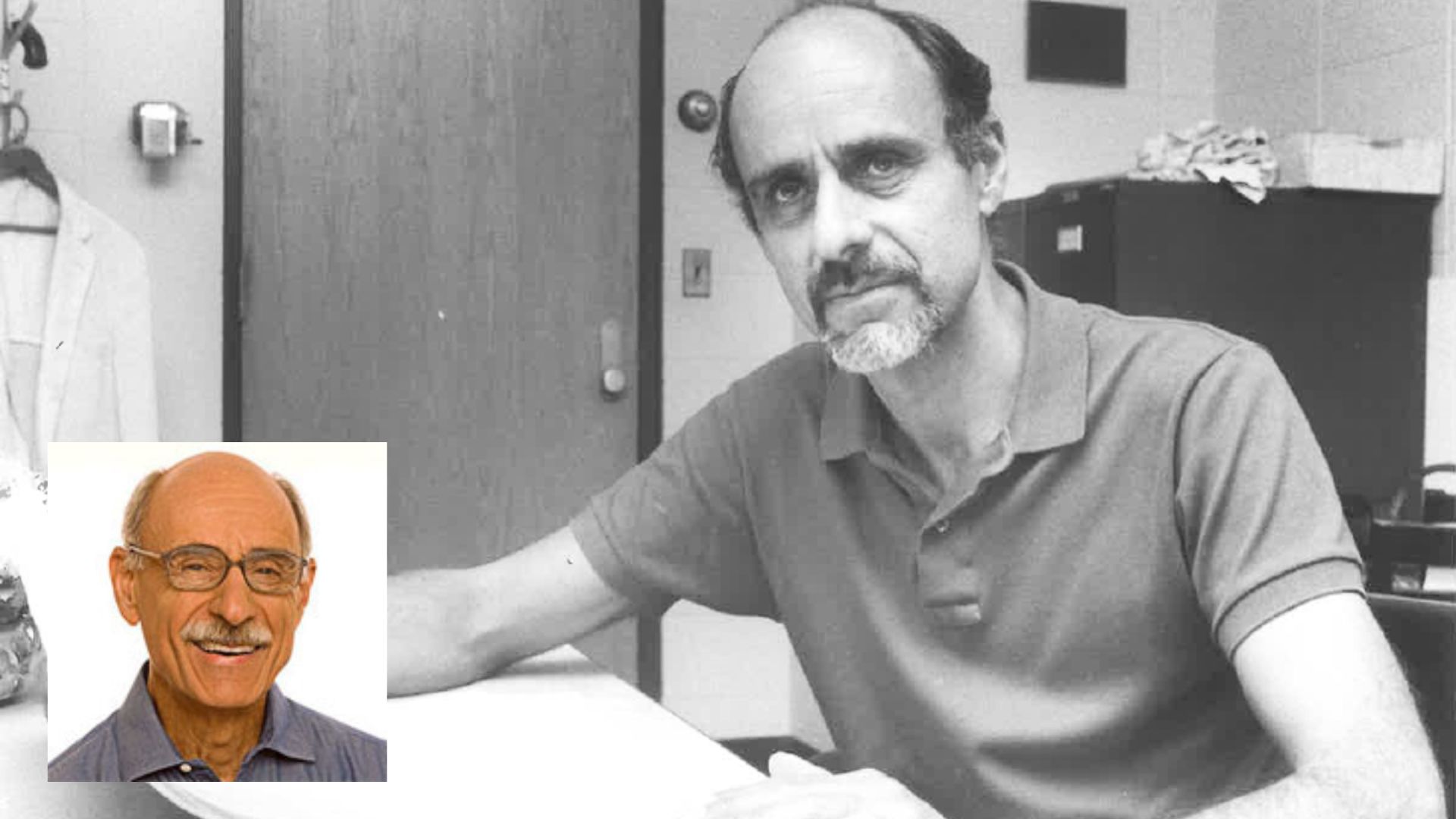
A retired chemistry professor from Brandeis University, Peter Jordan, alongside his wife, Barbara Palmer, has pledged a transformative $18 million donation to the university. This significant gift, announced on March 15, 2024, honors Jordan’s parents who fled Nazi Germany and marks a poignant culmination of their family’s journey from persecution to academic success.
The donation will specifically enhance the university’s Chemistry Department, supporting theoretical and physical chemistry research. It will establish new professorships and graduate fellowships, aiming to shape the department’s future and foster a new generation of chemists.
Jordan’s academic career began with his parents’ escape from Nazi Germany in the 1940s. His father faced numerous challenges in securing employment due to his Jewish heritage, ultimately finding work in the defense industry. Despite these difficulties, he designed one of the first widely used garbage disposals, a testament to his ingenuity and resilience. This invention provided financial stability for the family, enabling Jordan to pursue higher education.
After obtaining a bachelor’s degree from the California Institute of Technology and a PhD from Yale University, Jordan joined Brandeis University, where he taught for nearly 50 years before retiring in 2011. His research in theoretical biophysical chemistry, particularly in medical applications, was funded by the National Institutes of Health. Throughout his career, he shared his passion for chemistry with students, finding joy in teaching those who approached the subject with genuine curiosity.
Jordan’s commitment to education and research extended beyond his own career. In 2018, he and Palmer established the Jordan-Dreyer Endowed Summer Undergraduate Research in Chemistry Fellowship Fund, providing opportunities for undergraduates to engage in hands-on research. They recognized the importance of early research experiences in shaping students’ interest in science.
The newly announced $18 million donation expands their philanthropic efforts significantly. The funds will support three interconnected initiatives within the Chemistry Department. Firstly, it will establish a senior professorship in theoretical chemistry, allowing Brandeis to attract or retain a leading scholar in the field. Secondly, a junior professorship in physical chemistry will provide essential support for early-career faculty, helping them establish their research programs. Lastly, the donation will create three graduate research fellowships, aiding PhD students in their chemistry research.
This gift comes at a crucial time for chemistry departments across the United States, where federal research funding has become increasingly competitive. Private donations are essential for maintaining research excellence and attracting top-tier faculty. By establishing endowed positions and graduate fellowships, Brandeis University enhances its appeal to prospective students and faculty, ensuring the Chemistry Department remains competitive in a challenging landscape.
Brandeis University, founded in 1948 by the American Jewish community, emphasizes both academic excellence and social justice. This legacy resonates with Jordan’s family history, making the donation not just a financial contribution, but a powerful symbol of perseverance and opportunity.
In response to the donation, Arthur Levine, President of Brandeis University, expressed deep gratitude for the transformative impact the gift will have on the institution. “Peter and Barbara’s extraordinary gift will have a transformative impact on chemistry research and education at Brandeis for generations to come,” Levine stated.
The implementation of this major gift will involve collaborating with Jordan and Palmer to establish the endowed professorships and the selection criteria for the graduate fellowships. Their decision to designate the funds for specific areas of chemistry reflects a sophisticated understanding of the field’s needs and the importance of targeted philanthropic efforts.
As Brandeis University moves forward with these initiatives, the Chemistry Department will gain a substantial advantage in faculty recruitment and student support. The endowed positions will signal a strong commitment to research, while the graduate fellowship offerings will attract the best PhD candidates.
Jordan’s $18 million gift represents more than financial support; it embodies the values of resilience, education, and the enduring impact of generosity. As future generations of chemists benefit from these professorships and fellowships, they will continue a legacy rooted in Jordan’s family history and commitment to academic excellence.