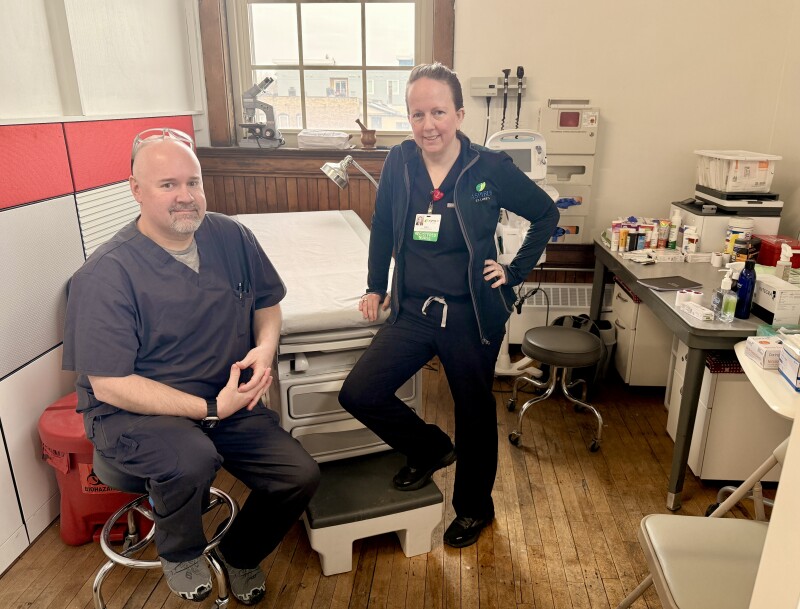
Free wound care services are now available for unhoused individuals at the Chum Hope Clinic, located temporarily at the Damiano Center in Duluth. The clinic operates on the second Monday of each month from 10:00 to 14:00, providing essential care to those in need. This initiative is a collaboration between Chum’s Health and Wellness Office and volunteer providers from Aspirus St. Luke’s Wound Care Clinic, who offer treatment on a walk-in basis.
According to Anne Romberg, the health and wellness coordinator at Chum, there has been a significant increase in the demand for wound care among the unhoused population. Two years ago, approximately three individuals required treatment each month; that number has now risen to about 15. Romberg attributes this surge partly to the increased use of xylazine, a drug often mixed with fentanyl or heroin, which can cause severe necrosis in tissues.
Addressing Critical Health Needs
Jarrod Buresh, medical director at Aspirus St. Luke’s Wound Care, began volunteering at the Hope Clinic in January. He explained how xylazine affects blood flow: “When it gets injected, it blocks the blood vessels, leading to necrosis.” Patients can also receive treatment for other conditions such as abscesses, pressure wounds, frostbite, and complications from unmanaged diabetes. Buresh noted that the variety of wounds treated reflects the complex health challenges faced by this vulnerable population.
Chum’s connection with Aspirus St. Luke’s Wound Care Clinic began through monthly meetings aimed at improving health care for the homeless. Maija Kaarto, the clinical supervisor at Aspirus, often participates in these discussions, providing general wound care education to community groups. Together, Buresh and Kaarto dedicate about four hours monthly to the clinic, typically treating 10 to 12 patients during each session.
The approach at the Hope Clinic allows for a more personal interaction between providers and patients, which is essential in building trust. “Dr. Buresh can take unlimited time,” Romberg remarked, highlighting the importance of personalized care without the pressure of a tight schedule.
Overcoming Barriers to Care
The monthly pop-up clinic at the Damiano Center addresses significant barriers that unhoused individuals face when accessing health care, such as transportation and social stigma. Patients often avoid traditional clinics due to fear of judgment or discomfort related to their conditions. Buresh emphasized the need to create a welcoming environment where patients feel safe seeking treatment.
“There’s a whole dance to this,” Buresh said, referring to the need for patients to build rapport with providers. Many individuals struggle with mental health issues, further complicating their willingness to seek care. “They have to feel me out. People need to trust me, and they need to see me as an ally,” he added.
Having transitioned from a career as a vascular surgeon, Buresh is now focused on improving wound care for those experiencing homelessness. He noted that conditions like diabetes and venous disease are prevalent in this population, leading to an increased risk of complications such as ulcers and amputations.
“A diabetic foot ulcer or diabetic wound can escalate into a surgical emergency,” Buresh warned, underscoring the critical need for early intervention. The wound care process often involves debridement, which removes dead or infected tissue to promote healing. Buresh and his team provide topical anesthetics to ensure patient comfort during treatment.
Kaarto expressed the profound impact wound care can have on patients’ lives. “My favorite moments are when a patient expresses how much their life has improved because you’ve healed, or at least are on the way to healing, the wound that they struggled with,” she said.
To support this vital service, Chum accepts donations at its administrative building located at 102 W. Second St. Needed items include gauze, dressings, shoes, gloves, and winter clothing. Recently, Chum received a $5,000 grant to help create wound care kits, with assistance from medical students at the University of Minnesota Duluth. Aspirus St. Luke’s Wound Care Clinic has also received donations from its medical suppliers for use at the Hope Clinic.
Romberg expressed her passion for helping vulnerable populations, stating, “It’s kind of like a calling for me.” As the program grows, both Romberg and Buresh hope it will continue to break down barriers and provide essential care to those who need it most.