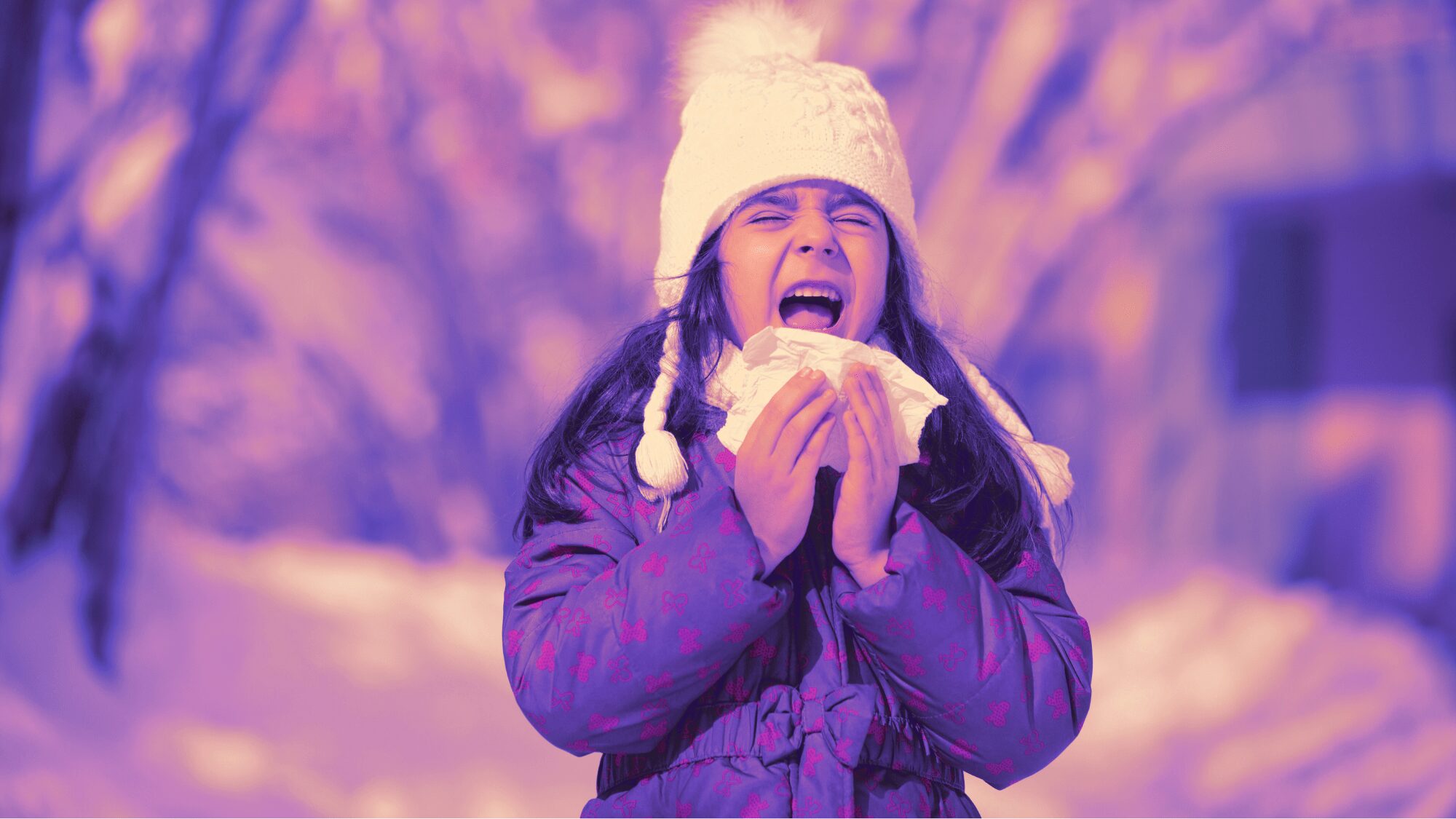
Cold weather poses challenges for many individuals, but for some, it presents a serious health risk. A rare condition known as cold urticaria can lead to severe allergic reactions that may even be life-threatening. Those affected by this disorder must navigate their lives with caution, as exposure to cold can trigger dangerous symptoms.
What is Cold Urticaria?
Cold urticaria is an allergic reaction characterized by the immune system’s abnormal response to cold temperatures. Instead of adapting to the drop in temperature, the body perceives it as a threat, leading to a range of symptoms. When exposed to cold, individuals may experience hives, swelling, and even a drop in blood pressure. In extreme cases, this reaction can escalate to anaphylaxis, a severe allergic response that requires immediate medical attention.
The condition was first described in 1792 by German physician Johann Peter Frank, but understanding its underlying mechanisms has only developed in recent decades. Current estimates suggest that cold urticaria affects approximately six out of every 10,000 individuals, with a higher prevalence in women compared to men.
Symptoms and Diagnosis
Symptoms of cold urticaria typically manifest in early adulthood, though it can develop in children and older adults as well. The condition begins with mast cells, which are immune cells in the skin tasked with detecting and responding to infections and injuries. In individuals with cold urticaria, exposure to cold prompts these cells to release histamine unnecessarily, leading to symptoms such as swelling, redness, and itching.
Diagnosis is accomplished through controlled cold exposure tests, where medical professionals apply an ice cube to the forearm and monitor for reactions. This process must be conducted under supervision, as approximately 20 percent of patients may experience systemic reactions during testing, including anaphylaxis.
Triggers and Treatment Options
Cold urticaria does not only pose a risk during winter months. Cold water, such as swimming, can be particularly hazardous, as large areas of skin are exposed simultaneously. Other triggers include consuming cold drinks, eating frozen foods, touching metal surfaces, and even spending time in air-conditioned environments. Some individuals may react immediately, while others may notice symptoms as their skin warms up.
Treatment typically begins with antihistamines, which may be prescribed at higher doses than standard allergy medications. Approximately 60 percent of patients respond positively to this treatment. For severe cases, biologic medications like omalizumab may be necessary. Over time, some individuals report gradual improvement or complete resolution of their symptoms.
Despite the challenges posed by cold urticaria, many affected individuals learn to manage their condition effectively. Understanding the triggers and treatments available can help them lead fulfilling lives while minimizing the risks associated with cold exposure. As awareness of this rare condition grows, it is essential for both the public and healthcare providers to recognize the potential dangers that cold weather can bring for those with cold urticaria.