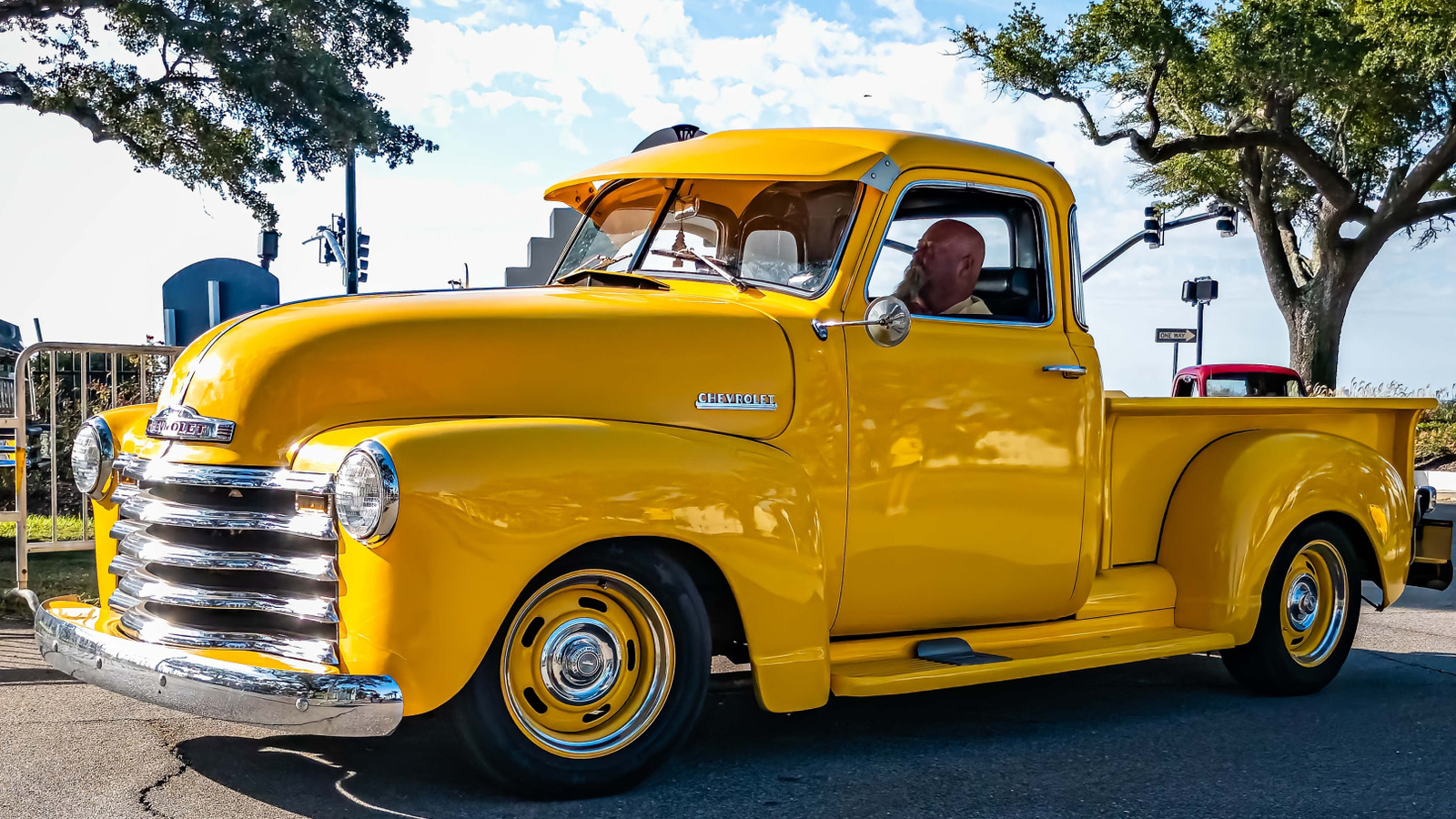
Vintage and classic cars evoke nostalgia, but their practicality is often debated among enthusiasts. One accessory that has sparked particularly heated discussions is the external sun visor. Once popular in the mid-20th century, these visors are now a divisive topic within the classic car community.
The external sun visor first emerged over a century ago, during the early production days of vehicles like the Ford Model T. Unlike contemporary models that feature flip-down fabric sun visors, the original design was a large, windscreen-wide piece mounted externally. This accessory aimed to shield drivers from sun glare and even provided some rain protection during downpours, as windshield wipers were less effective at the time.
As automotive design progressed, so did the sun visor’s function and style. By the 1950s, internal visors had become the norm in passenger cars, prompting many to question the necessity of external models. Despite their decline in popularity, some classic car fans continue to embrace these vintage visors, often paying a premium to outfit their vehicles.
Divided Opinions on External Sun Visors
The classic car community remains split on the external sun visor’s appeal. Some enthusiasts argue that these visors enhance a vehicle’s vintage aesthetic, while others contend they detract from the car’s original design. The latter group often cites the potential for aerodynamic disruption, as these visors can create drag when driving at higher speeds. Although there is little scientific evidence to back this claim, many believe the added resistance may affect performance.
In contrast, those who appreciate external visors highlight their historical significance. Accessories like the Fulton three-piece sun visor are particularly well-regarded for their adjustability and ease of installation. Prices for reproduction visors typically hover around $500, though this does not include additional costs for painting and fitting.
Another concern among critics is the visors’ impact on visibility. While they effectively block sunlight, they can also obscure traffic signals. To address this issue, some classic car owners have turned to traffic light finders, devices that reflect signal changes and enhance visibility for drivers using external visors.
External Visors in Today’s Classic Car Culture
The classic car community is diverse, with enthusiasts holding varying views on how to customize their vehicles. Some prioritize maintaining factory specifications, while others embrace restomods or rat-rods that celebrate a different vision of automotive history. Those who favor period add-ons, such as external sun visors, often seek to capture the essence of the 1940s and 1950s.
Despite the controversy, external sun visors remain a staple for certain subcultures within the classic car scene. For instance, lowrider enthusiasts frequently incorporate these visors into their builds, highlighting the accessory’s versatility and enduring appeal.
As the debate continues, it is clear that the external sun visor is more than just a practical accessory; it represents a collision of history, style, and personal expression. Whether loved or loathed, this vintage fix for sun glare endures as a topic of passionate discussion among classic car fans.