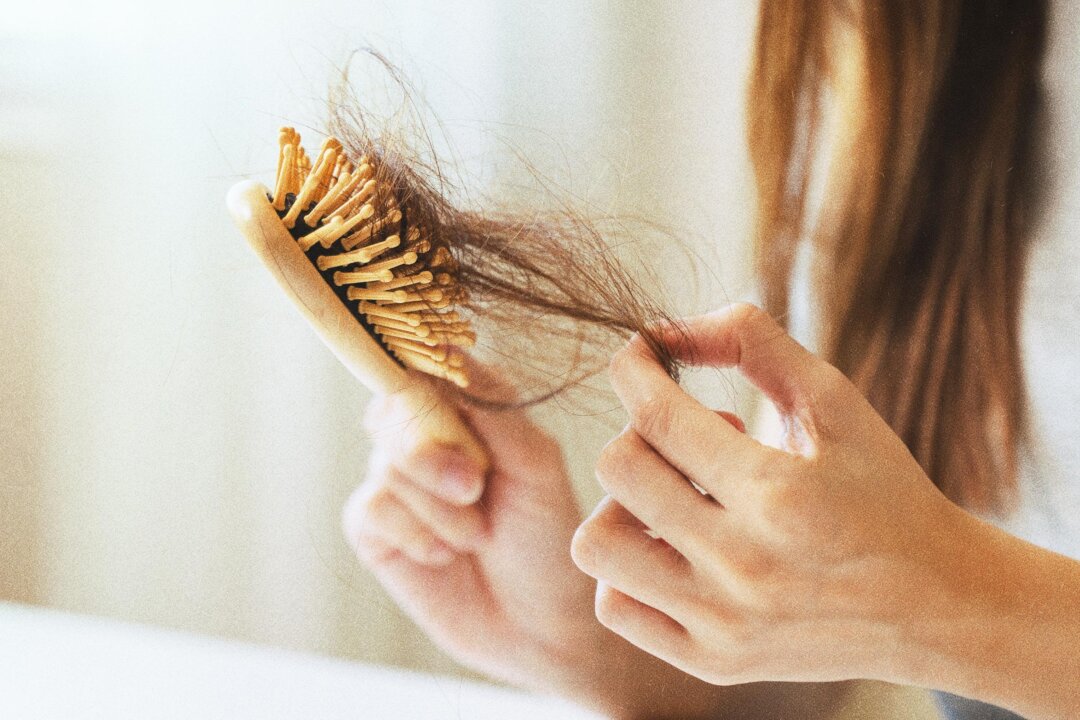
Hair loss can often be a source of frustration and distress for many individuals. Traditional Chinese Medicine (TCM) provides a unique perspective, suggesting that hair thinning may indicate deeper imbalances within the body’s internal systems. By examining these patterns, TCM practitioners aim to address the underlying issues contributing to hair loss.
Exploring the TCM Perspective on Hair Loss
During a recent episode of the NTDTV program “She Health,” Cheng-Hsiu Shih, a TCM practitioner and president of the Tongde Medical Association, explained that hair loss typically does not have a single cause. Instead, it often signifies disruptions across multiple body systems. Common patterns associated with hair loss include blood deficiency, kidney yin deficiency, damp-heat accumulation, chronic stress, and side effects from medications, particularly those used in cancer treatment.
One of the central tenets of TCM is the belief that “hair is the surplus of blood.” This highlights the crucial connection between healthy hair and sufficient blood circulation. An abundant and well-circulating blood supply nourishes the scalp, which in turn supports robust hair growth.
Key Causes of Hair Loss in TCM
Blood deficiency is a prevalent concern in TCM. When the body lacks sufficient blood, it can lead to insufficient nourishment for the hair follicles, resulting in thinning hair. Similarly, kidney yin deficiency plays a significant role in hair health. In TCM, the kidneys are believed to store vital essence, and when this essence is depleted, it can manifest as hair loss.
Damp-heat accumulation is another factor that TCM practitioners consider. This condition can lead to inflammation and hinder proper blood circulation, both of which contribute to hair health. Chronic stress, which affects numerous aspects of health, can also disrupt hormonal balance and circulation, further exacerbating hair loss.
Furthermore, medications, particularly those prescribed during cancer treatment, can have adverse effects on hair growth. TCM recognizes that these side effects may not only impact hair but also reflect deeper systemic issues.
By identifying these patterns, TCM practitioners employ various tools to promote healthier hair growth. These include herbal teas designed to enhance blood circulation, acupressure techniques to alleviate stress, and tailored lifestyle adjustments aimed at restoring balance within the body.
Understanding hair loss through the lens of TCM offers a comprehensive approach that extends beyond surface-level treatments. It encourages individuals to consider their overall health and well-being, recognizing that addressing underlying imbalances can lead to more effective and lasting results.