The recent agreement between the UK and US governments regarding pharmaceutical pricing has raised significant concerns over its implications for the National Health Service (NHS) and public health outcomes. British Prime Minister Keir Starmer and former US President Donald Trump announced this deal, touted as a transformative step for the UK’s life sciences sector. The UK government has described the agreement as a “world-beating deal,” with Patrick Vallance, the UK’s science minister, claiming it positions the UK as a global hub for life sciences.
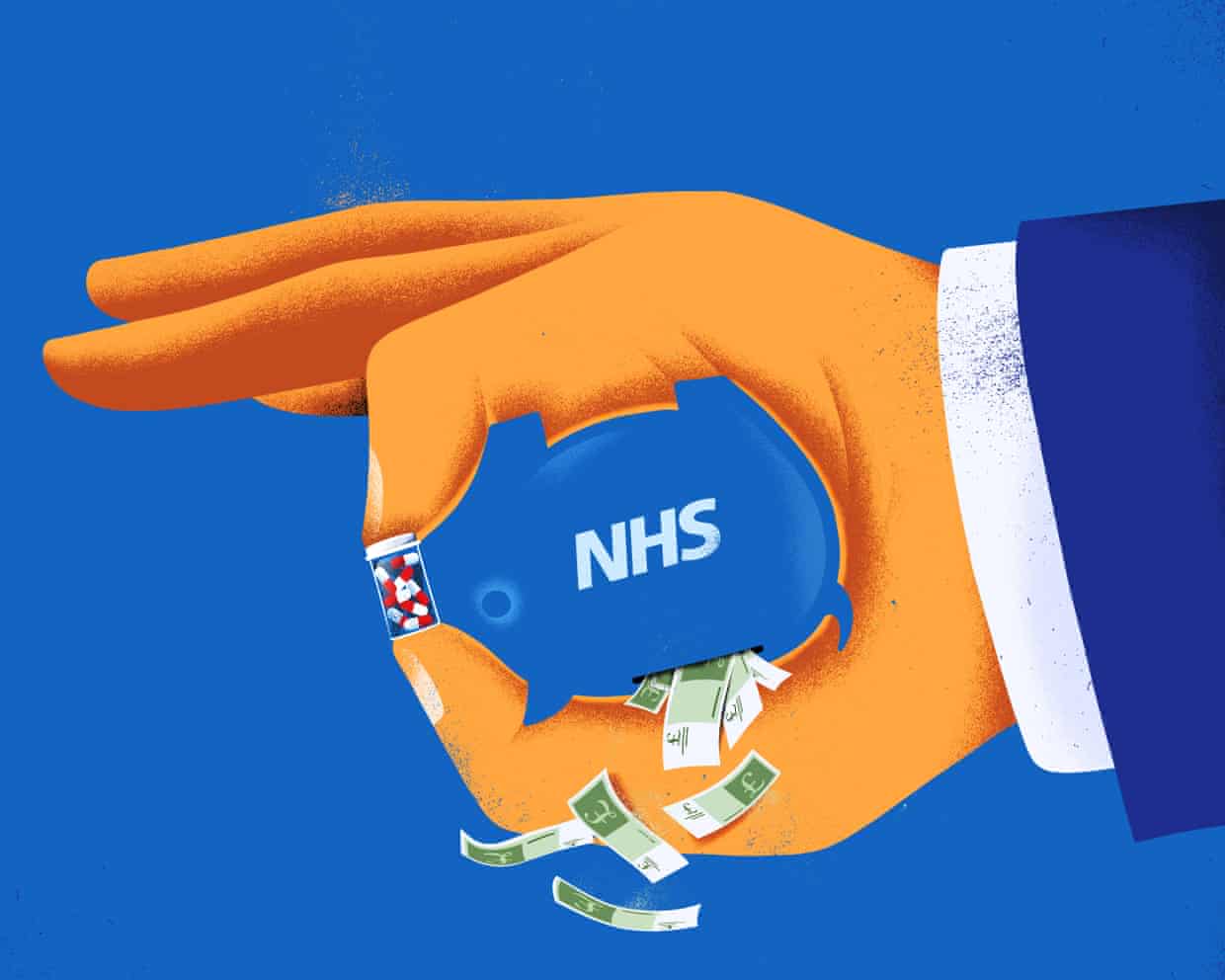
Despite the celebratory tone from Downing Street, the reality presented by some observers paints a different picture. The New York Times highlighted that, to avoid tariffs, the UK has agreed to pay higher prices for medicines, which could lead to increased financial burdens on the NHS. The Office for Budget Responsibility (OBR) recently estimated that the cost of medicines to the NHS could rise by an additional £3 billion annually, a figure that has raised alarms among health experts.
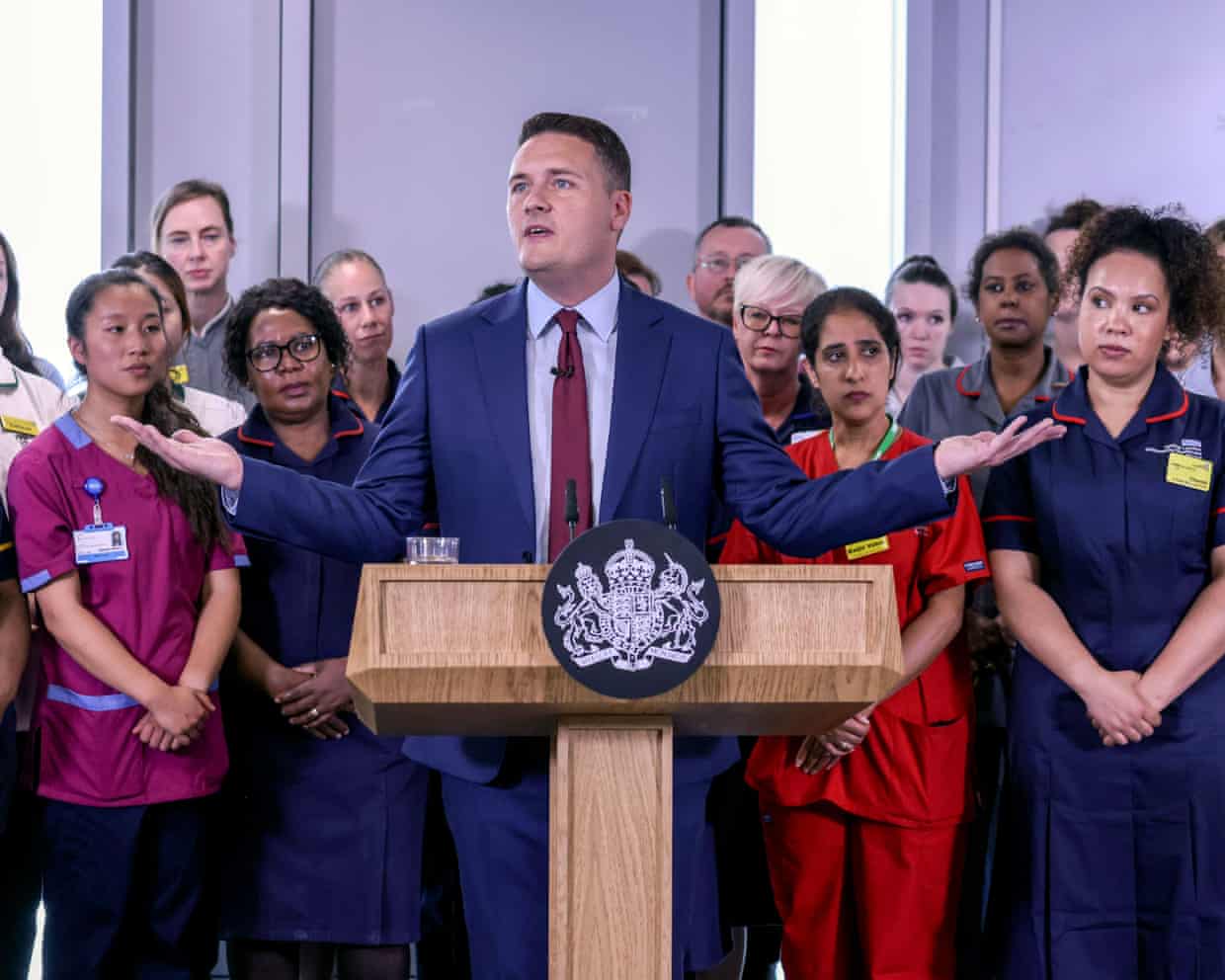
The implications of this deal extend beyond mere financial figures. Health Secretary Wes Streeting has attempted to downplay the projected costs, but independent expert analysis suggests that these increases could lead to significant reductions in NHS services. According to Karl Claxton, a professor at the University of York specializing in NHS medicine economics, the agreement could result in nearly 16,000 additional deaths each year due to financial constraints on treatment options.
As the UK government celebrates what it terms a victory, the deal has drawn criticism for potentially compromising the health of UK citizens. Critics argue that the agreement prioritizes corporate profits over patient care. Claxton described the situation as a “catastrophe for all NHS patients,” indicating that the anticipated savings from the deal will likely come at the expense of essential services such as cancer scans and emergency care.
The agreement’s origins trace back to a series of events in September when major pharmaceutical companies like AstraZeneca and Merck halted significant investments in the UK. These decisions prompted fears within the UK government about the future of its pharmaceutical sector. The pharmaceutical industry has long viewed the NHS’s pricing model as a barrier to profitability, and this deal appears to be a response to those pressures.
While national newspapers have extensively covered ongoing pay disputes among NHS doctors, the limited coverage of this significant deal raises questions about transparency and accountability. The government has provided little documentation or detailed assessments of the agreement’s potential impacts, relying instead on press releases to communicate its significance.
The analysis of the deal highlights a broader issue within the current governmental approach to healthcare. Critics like Sally Gainsbury from the Nuffield Trust have described the situation as a “Ponzi scheme,” suggesting that the NHS is being used as a bargaining chip in international trade negotiations, with detrimental effects on public health.
As the debate continues, the implications of this agreement will likely resonate throughout the UK, influencing both healthcare delivery and public trust in government decisions related to health policy. The consequences of prioritizing trade deals over patient welfare could have lasting effects, reshaping the landscape of the NHS and its ability to provide care to the public.
Moving forward, the government faces the challenge of reconciling the need for international cooperation with its obligation to protect the health and wellbeing of its citizens.