A 19-year-old woman from California has reached a settlement with TikTok, just hours before her trial was set to begin. The lawsuit alleged that the social media platform’s algorithm is designed to engage users at the expense of their mental health. The plaintiff, identified only as KGM, previously settled a separate case with Snap, the parent company of Snapchat. The specific terms of both settlements have not been disclosed.
News of the settlement was first reported by Bloomberg. The Post has reached out to both TikTok and Snap for comments regarding the case. KGM has also filed lawsuits against other major platforms, including Meta, the parent company of Facebook and Instagram, as well as Google-owned YouTube, citing similar concerns about mental health impacts.
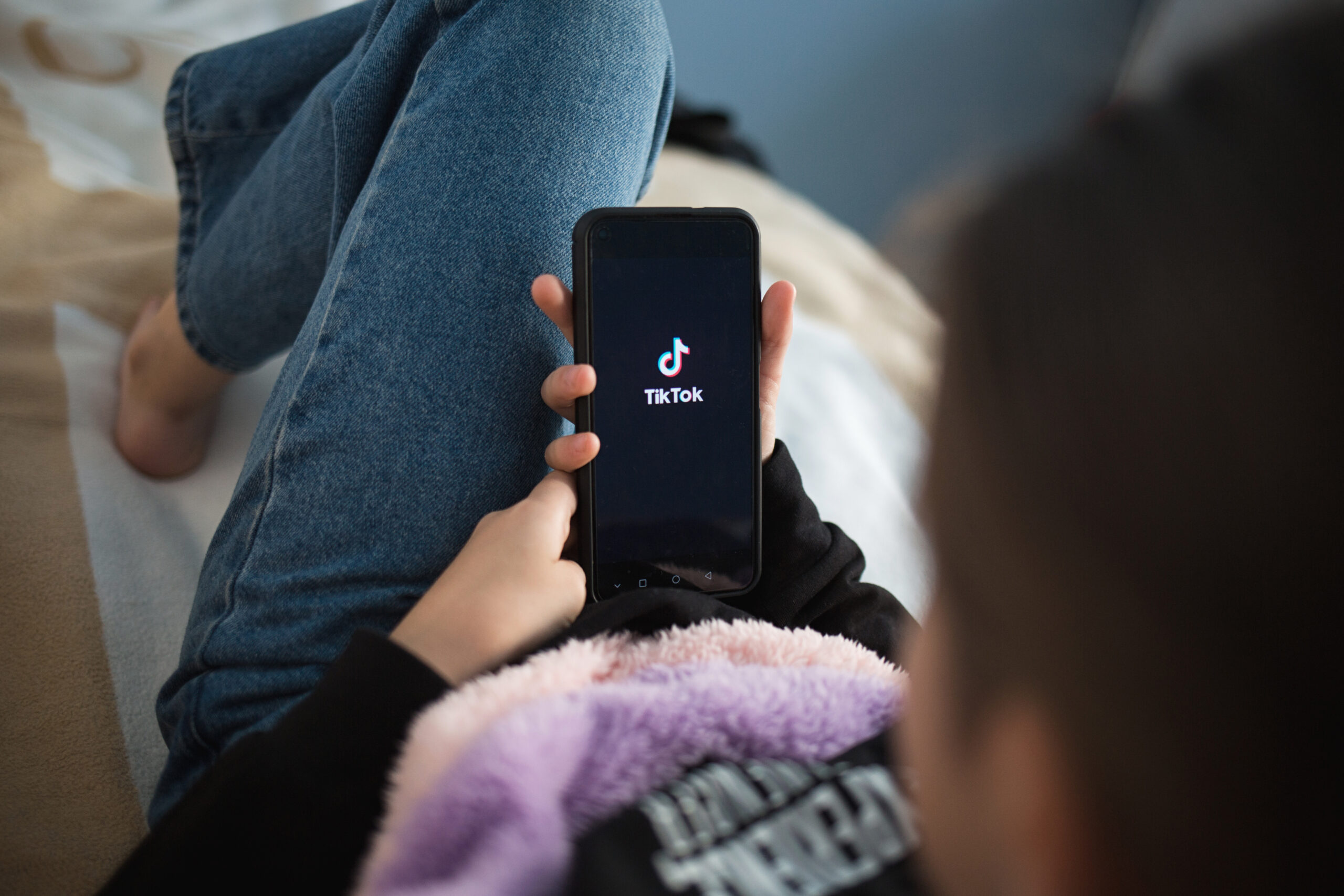
KGM began using social media at the age of ten. In her legal filing, she claims that her engagement with these apps contributed to serious mental health issues, including depression, anxiety, self-harm behavior, and body dysmorphia. The complaint specifically criticized TikTok for implementing features such as continuous scrolling, autoplay, and targeted notifications, designed to enhance user engagement and promote addictive behaviors.
Wider Context of Social Media Lawsuits
This case is part of a larger legal movement, with more than 2,200 lawsuits filed against major social media companies. These lawsuits contend that the platforms intentionally create addictive products that adversely affect the mental health of young users. Research estimates that between 5% to 10% of social media users may meet the criteria for behavioral addiction, with much higher rates among adolescents.
Teenagers reportedly spend an average of 7 to 9 hours daily on screens, predominantly on social media platforms designed for maximum engagement. Numerous studies have established links between excessive social media use and declining mental health, including increased rates of depression, anxiety, and academic challenges.
However, the narrative around social media and mental health is complex. An increasing volume of research suggests that social media use is not inherently damaging. For many users, the overall impact of social media is small or statistically insignificant. Factors such as family dynamics, socioeconomic status, and offline stressors appear to play a more significant role in mental well-being.
A significant meta-analysis published in 2026 reviewed 46 studies and concluded that there is no reliable evidence linking general social media use to mental health problems. Similarly, an analysis led by Oxford researchers found no consistent correlation between time spent online and negative mental health outcomes across various countries and age groups.
The ongoing discourse around social media and mental health highlights the need for a nuanced understanding of the issue. While concerns about addiction and mental well-being are valid, the complexities of individual experiences must also be considered.
If you or someone you know is struggling with suicidal thoughts or experiencing a mental health crisis, resources are available. In New York City, you can call 1-888-NYC-WELL for free and confidential crisis counseling. For those outside the five boroughs, the 24/7 National Suicide Prevention hotline can be reached at 988 or by visiting SuicidePreventionLifeline.org.