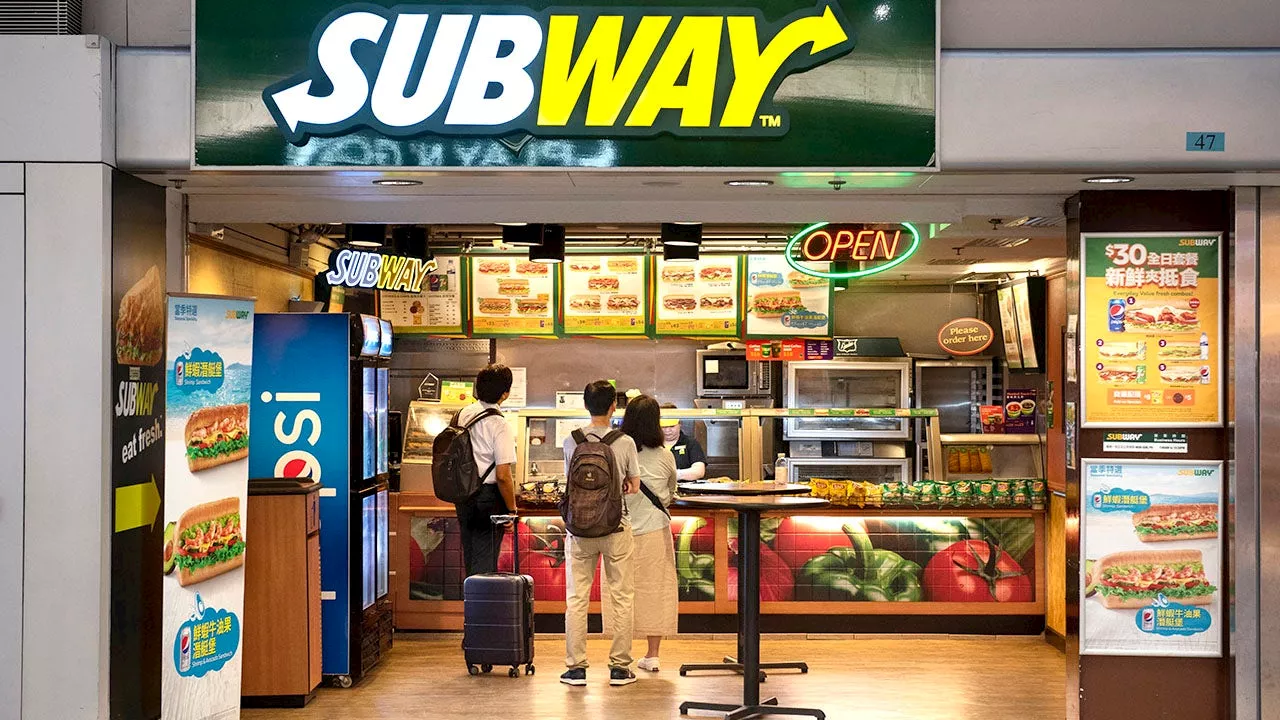
The restaurant industry is experiencing a significant transformation as chains increasingly introduce protein-rich options to cater to health-conscious consumers. This shift is spurred by a growing emphasis on healthier eating habits and the impact of weight-loss medications such as Ozempic and Zepbound. Major brands like Subway, Starbucks, and Sweetgreen are at the forefront of this trend, expanding their menus to include diverse protein options.
Subway has recently launched its new Protein Pockets, soft tortillas filled with choices such as chicken, turkey, and vegetables. Each pocket contains over 20 grams of protein and is priced under $4. According to Dave Skena, Subway’s Chief Marketing Officer for North America, the company aims to make protein both accessible and affordable. This initiative aligns with the changing dietary preferences driven by the rise of weight-loss medications and a broader consumer focus on high-protein meals.
Further emphasizing its commitment to protein, Subway is enhancing its value menu with daily specials that spotlight protein-rich offerings. For instance, Meatball Monday and Turkey Thursday are part of this new approach, aimed at driving customer engagement through focused promotions.
Simultaneously, Starbucks has introduced innovative beverages such as Protein Cold Foam and protein-enriched lattes across its North American locations. These drinks contain between 15 and 36 grams of protein per 16-ounce serving, reflecting the company’s strategy to modernize its menu and appeal to health-driven consumers.
Sweetgreen is also expanding its protein-centric offerings. Co-founder and Chief Concept Officer Nic Jammet highlighted that protein has become a crucial factor in customer decisions. The company recently launched The Function Menu, developed in collaboration with Function, to incorporate expert nutritional guidance into its offerings. Notably, in November 2025, Sweetgreen introduced its Protein Max Bowl, boasting a remarkable 106 grams of protein, making it the company’s most protein-dense item to date. Additionally, Sweetgreen has increased the portion sizes of chicken and tofu by 25% without raising prices, and introduced a macronutrient calculator in its app, providing guests with comprehensive nutritional information.
Other restaurant chains are following suit. Brett Schulman, co-founder and CEO of Mediterranean chain Cava, announced plans to expand protein offerings, including new menu items like roasted salmon. As consumer preferences shift towards premium protein sources like grilled steak and spicy lamb meatballs, Cava aims to meet this demand.
Beyond simply adding protein, some companies are adopting holistic approaches to nutrition. Rä Foods, a food tech and functional foods company, is dedicated to creating foods that maximize health benefits. Their Wild About Sprouts products, which retain their roots until consumption, aim to preserve enzymes and nutrients, aligning with the growing trend of nutrient-dense foods. Rä Foods asserts that the future of nutrition will prioritize not only protein quantity but also nutrient quality and bioavailability.
This shift in the restaurant industry reflects an evolving understanding of nutrition, where both protein and other essential nutrients play vital roles in promoting a balanced diet. As chains embrace these changes, the focus on health and wellness is likely to continue shaping menus and consumer choices in the foreseeable future.