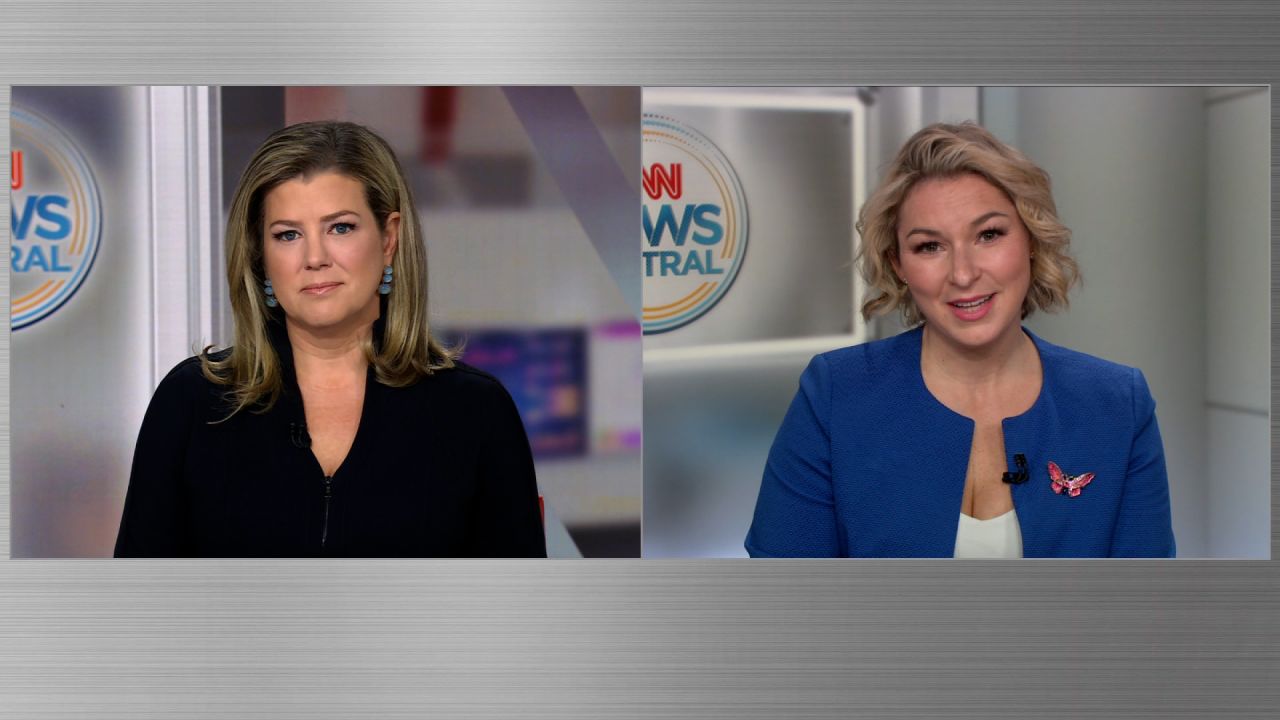
In a recent commentary, Rich Howell emphasized the significance of maintaining a healthy media diet for informed political engagement. He draws parallels between diet management and media consumption, arguing that just as a well-organized kitchen supports healthy eating habits, a disciplined approach to media can lead to better political understanding and decision-making.
Howell contends that the current media landscape, dominated by quick, emotionally charged content, can distort perception and influence behavior. He likens this media consumption to “M and M’s for the brain,” suggesting that sensationalized news can lead to unhealthy mental habits. Instead of convenience-driven choices, he advocates for a media diet based on personal values and relevance.
Critical Thinking Over Partisan Labels
The commentary raises concerns over the reliance on broad, often meaningless labels such as “liberal,” “conservative,” “leftist,” and “right-wing.” Howell argues that such terms can cloud judgment and distract from substantive issues. He encourages voters to act like scientists, gathering data, analyzing its relevance, and aligning information with their core beliefs.
Howell warns against the dangers of media narratives that prioritize sensationalism over factual reporting. He urges readers to resist being swayed by commentators who focus on partisan rhetoric rather than concrete actions and policies of political candidates and parties. By fostering a more critical media consumption habit, individuals can reclaim ownership of their thoughts and beliefs.
In conclusion, Howell’s message is clear: just as individuals carefully select their food for better health, they should also be discerning in their media consumption to cultivate a well-informed electorate. By prioritizing substance over sensationalism, individuals can make more meaningful contributions to political discourse and align their actions with their deeper values.