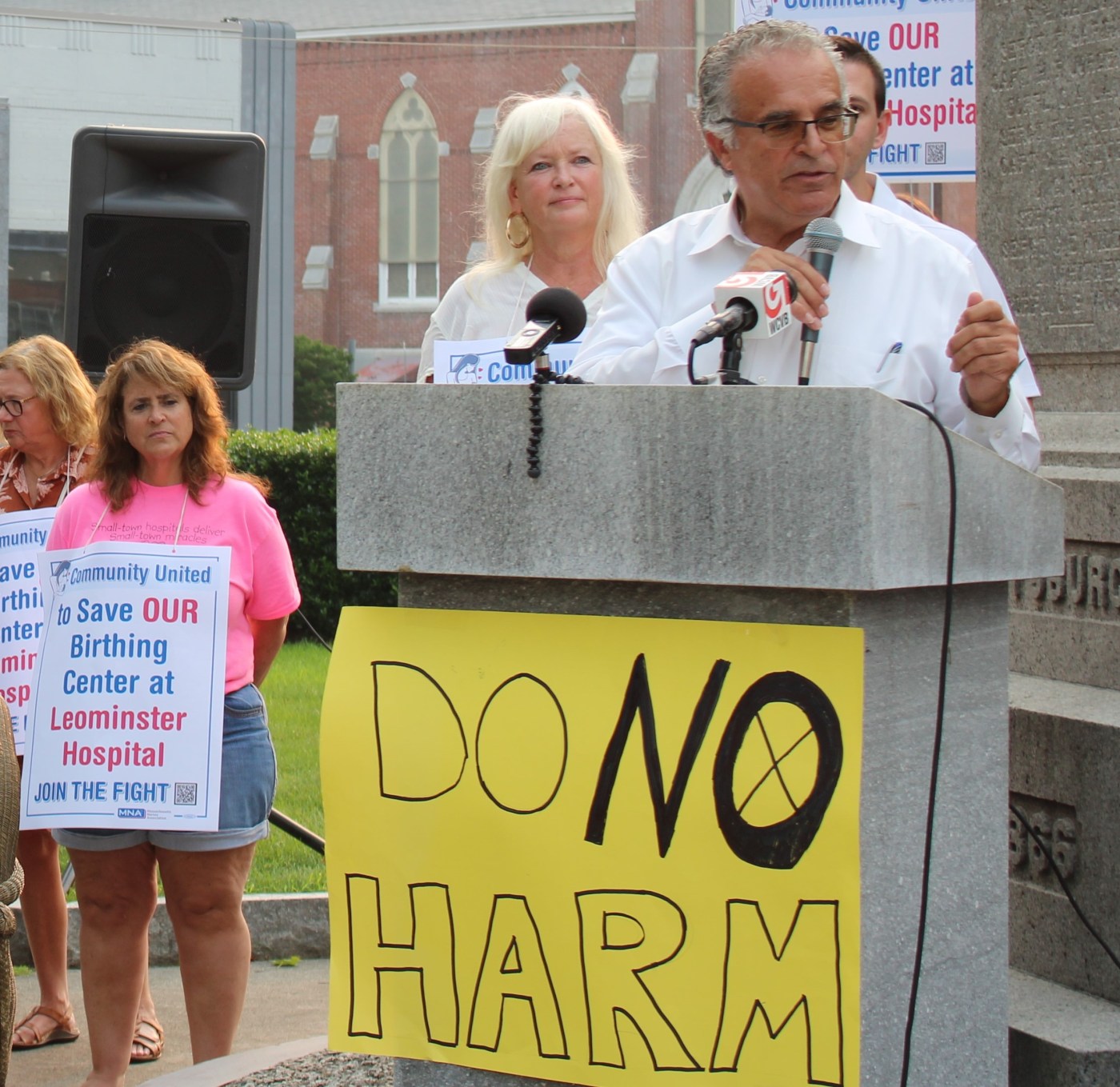
The recent closure of the maternity ward at Leominster Hospital by UMass Memorial Health has underscored the urgent need for enhanced authority for the Massachusetts Department of Public Health (DPH). This decision, made in September 2023, highlights significant gaps in the current legislative framework, which limits the DPH’s ability to intervene in critical healthcare service closures.
The DPH requires legislative backing to impose stricter controls on the shutdown of essential medical services. Without this authority, the department remains powerless to prevent closures like that of the Leominster maternity ward, even when local lawmakers express strong objections. The announcement of the closure came shortly after a coalition of lawmakers from Worcester and North Central Massachusetts sought a delay, demonstrating a lack of responsiveness from health authorities.
As the situation unfolds, it has become evident that the Health Policy Commission (HPC), an independent state agency tasked with monitoring healthcare costs, faces similar challenges. The HPC’s role is primarily advisory; it can recommend cost containment measures but lacks the enforcement power necessary to effect substantial change. This limitation has rendered the HPC’s goals largely ineffective, as evidenced by the rising healthcare costs that have far exceeded its established benchmarks.
In the Boston-Worcester-Providence area, total health expenditures grew by 8.6% from 2022 to 2023, despite the HPC’s cost growth benchmark of 3.6% for 2026. In contrast, compensation costs for private industry workers in the Boston metro area rose by only 3.3% in the same period, highlighting a stark discrepancy between healthcare costs and other sectors.
Recent discussions within the HPC have reiterated the agency’s commitment to setting cost containment targets, despite ongoing challenges. During a public hearing held on December 11, stakeholders voiced concerns about affordability, access to care, and potential insurance coverage losses due to federal policy changes. Critics pointed out that the benchmarks established over a decade ago do not adequately address current cost dynamics.
Jon Hurst, President of the Retailers Association of Massachusetts, emphasized at a recent meeting that the existing benchmarks have not been adhered to in recent years. The HPC’s latest cost trends report outlines four primary areas for improvement: administrative complexity, healthcare prices, pharmaceutical spending, and low-value care, which includes avoidable health visits.
Lora Pellegrini, CEO of the Massachusetts Association of Health Plans, noted that the HPC has consistently identified the same cost drivers but has failed to implement effective solutions. She warned that the consequences are now evident, as healthcare premiums rise faster than wages, creating substantial barriers for patients seeking care.
The HPC has called for a “dramatic” reduction in administrative complexity, particularly regarding processes that hinder patient care and burden healthcare providers. Additionally, it has recommended that Massachusetts address excessive provider service prices, arguing that other states have successfully moderated costs to sustainable levels.
With rising prescription drug expenditures, the HPC urges state authorities to consider forthcoming recommendations from the new Office of Pharmaceutical Policy and Analysis and the Division of Insurance. The commission also advocates for reducing low-value care and avoiding unnecessary emergency department visits, which are critical components of the ongoing healthcare reform discussions.
Pellegrini remarked that the HPC has provided a well-researched roadmap for action, reiterating that the time for decisive measures is now. Yet, the emphasis on recommendations without the power to enforce them raises concerns about their efficacy.
To effect meaningful change in healthcare delivery and costs, it is crucial that both the DPH and the HPC are empowered with actionable authority. Only then can they ensure that recommendations translate into real improvements for healthcare services across Massachusetts.