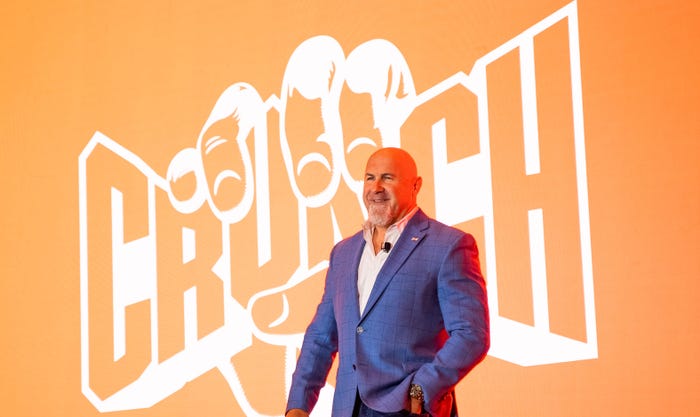
Matthew Castillo, a 48-year-old from the United States, has achieved a significant transformation by losing 300 pounds following bariatric surgery. His journey highlights the profound connection between emotional well-being and eating habits. Throughout his life, Castillo faced a persistent struggle with weight, fluctuating drastically as he battled his relationship with food.
In a candid conversation, Castillo shared his experiences with weight loss and gain, stating, “Every year, I’d do good, and then I go back up.” He attributed much of this cycle to his emotional connection to food, explaining that it served as a source of comfort amidst feelings of anxiety. His typical eating patterns included consuming meals late at night and indulging in large portions, often not stopping until he felt physical discomfort.
Castillo’s path changed when a colleague introduced him to the possibility of bariatric surgery. Although he had previously been informed by other doctors that he would need to lose considerable weight before qualifying for the procedure, he found a more accessible option with Dr. David Buchin, director of bariatric surgery at Huntington Hospital. Dr. Buchin required Castillo to follow a liquid diet for six weeks prior to surgery, which helped him shed 100 pounds and prepare for the operation.
On September 2024, Castillo underwent a single anastomosis duodenal ileostomy (SADI), a procedure that began with a partial gastrectomy followed by a bypass connecting his smaller stomach to the last section of his small intestine. This method allows for better nutrient absorption, according to the Cleveland Clinic. The surgery was successful, and Castillo spent only two days in the hospital with minimal pain.
Post-surgery, Castillo’s lifestyle underwent a major shift. He initially followed another liquid diet, then transitioned to a soft-food diet to accommodate his smaller stomach. He now focuses on protein-rich foods, aiming for 80 to 100 grams daily, complemented by complex carbohydrates, vegetables, and fruits. Although he sometimes struggles to meet his protein goal, he has adopted healthier eating habits, including meals of eggs and cheese, tuna salad, and lean meats.
Now weighing 273 pounds, Castillo is actively working towards his goal weight of 200 to 220 pounds. He has noticed significant improvements in his physical capabilities, stating, “I’m just much more active.” Activities that once required frequent breaks, such as climbing stairs or yard work, have become manageable. Furthermore, he reports improvements in leg ulcers that developed due to his previous weight.
Despite these advancements, Castillo acknowledges that the surgery was not a miraculous solution. While it has greatly enhanced his quality of life and facilitated weight loss, he remains committed to improving his eating habits. He continues to address lingering issues related to his weight and hopes for further progress in his overall health journey.
Castillo’s story is a testament to the challenges of weight management and the importance of seeking professional help. His experience underscores the necessity of addressing both physical and emotional factors in the pursuit of healthier living.