Health organizations in Maine took significant action on December 1, 2023, to mark World AIDS Day by providing essential HIV prevention and testing resources. This year’s observance coincides with the state’s largest HIV outbreak in its history, highlighting a growing public health crisis. While local leaders mobilized to support the community, the federal government, under the Trump administration, opted to downplay the importance of the day. The administration recently advised employees against using government funds for World AIDS Day activities or promoting the event publicly.
In Penobscot County, there have been 30 reported positive HIV cases since late 2023, a stark increase from an average of just two cases annually. The outbreak has primarily affected Bangor’s homeless population and individuals who use intravenous drugs, underscoring the urgent need for enhanced health and social services in the region.
Olivia Pennington, director of advocacy and community engagement at Maine Family Planning, criticized the federal government’s decision, stating, “We’ve seen in history what happens when the federal government refuses to acknowledge HIV and AIDS infections in our country. We know that turning away from HIV and AIDS doesn’t do anything to help treat folks.”
At the Unitarian Universalist Society in Bangor, health organizations set up tables to distribute free resources, including at-home HIV tests, condoms, hygiene products, and PrEP (pre-exposure prophylaxis), a medication that helps prevent HIV infection for individuals at high risk.
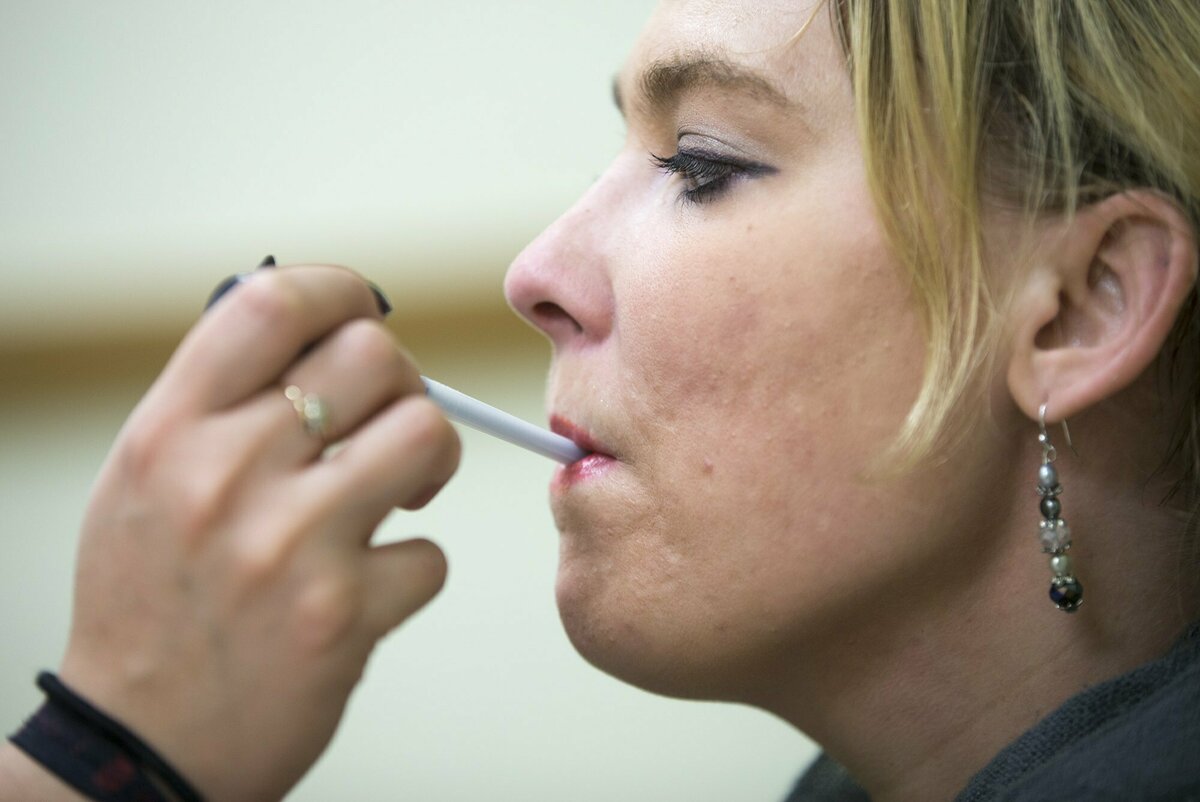
Among those present was Gabrielle Drew, a 35-year-old resident of Bangor who is unhoused. Drew chose to start taking PrEP as HIV cases surged this year. “A lot of us use needles, and that’s where everyone was getting it from,” Drew explained. “Me and my boyfriend, we don’t have it and we don’t want to get it.” Since the campaign launched by Needlepoint Sanctuary and Maine Family Planning, over 100 community members have accessed PrEP in recent months.
While Penobscot County has seen a slowdown in new cases, a public health advisory was issued last month urging HIV testing among Cumberland County residents who use injection drugs, following five recent positive tests in that area. The Frannie Peabody Center, Maine’s largest organization dedicated to HIV and AIDS services, hosted a World AIDS Day resource fair and candlelit vigil in Portland to raise awareness.
Adding to concerns, the Trump administration’s proposed budget for 2026 suggests eliminating the division of the Centers for Disease Control and Prevention that focuses on HIV prevention, alongside other critical cuts.
In response to the federal government’s stance, the Maine Medical Association and various state health organizations issued a joint statement denouncing the lack of acknowledgment from Washington, with President Jim Jarvis describing it as “coming at exactly the wrong time.”
Local leaders have also emphasized the role that state and local policies play in worsening the conditions leading to the outbreak. William Hurley, executive director of Needlepoint Sanctuary, noted that homelessness and drug use are significant factors in the rising infection rates. His organization resumed its syringe program in October after Bangor limited its services due to zoning regulations.
Drew expressed her belief that expanding syringe services and access to PrEP is crucial for community protection. “HIV is going rampant right now,” she said. “Better be safe than sorry, kind of thing.” As Maine navigates this public health crisis, the commitment of local health leaders and organizations remains vital in combating the growing threat of HIV.