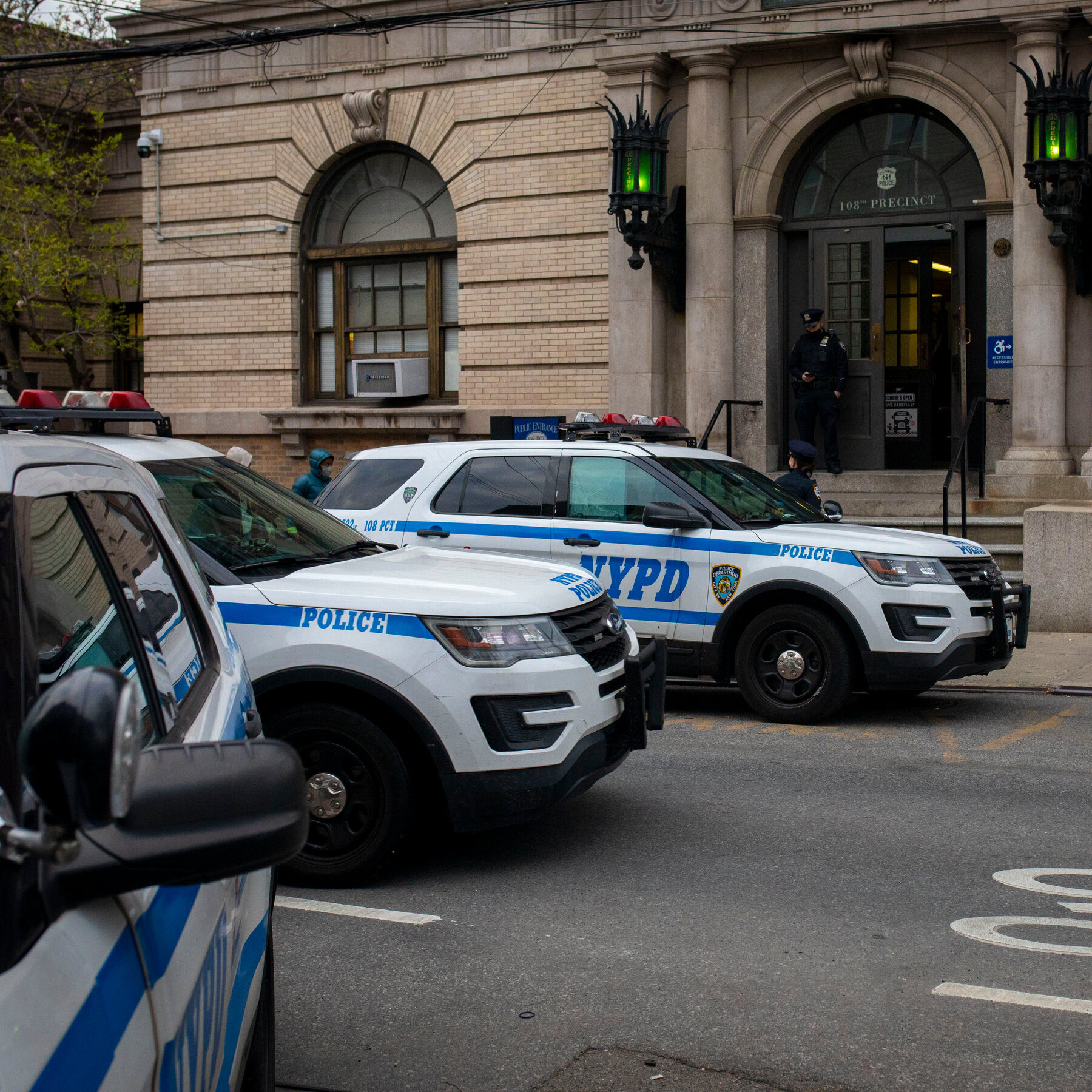
The City Council has introduced a bill aimed at establishing a new Department of Community Safety, which would prioritize mental health responses over traditional police interventions for certain emergency calls. This initiative is part of the plans put forth by Mayor-elect Zohran Mamdani, who advocates for reforming public safety strategies to better address mental health crises.
The proposed agency would deploy specialized mental health teams to respond to 911 calls that are deemed more appropriate for mental health professionals rather than law enforcement officers. This shift represents a significant change in how emergency services are structured, reflecting an increasing awareness of the complexities surrounding mental health issues in crisis situations.
Details of the Proposed Agency
The Department of Community Safety is envisioned as a proactive approach to public safety, aiming to reduce the need for police involvement in situations that may escalate due to the presence of law enforcement. According to Mayor-elect Mamdani, the new agency would not only provide immediate support for individuals experiencing mental health crises but also work towards long-term community well-being.
This approach aligns with a growing body of research indicating that mental health professionals are often better equipped to handle such situations. By utilizing teams trained in psychological first aid and crisis intervention, the city aims to foster a more supportive environment for its residents.
The bill is pending approval by the City Council, with discussions expected to take place in the coming weeks. If approved, the initiative is set to be implemented by the end of 2025, with plans for a comprehensive rollout across the local community.
Community Reactions and Implications
Initial reactions from the community have been mixed. Proponents argue that the initiative could significantly improve outcomes for individuals in crisis, reduce unnecessary arrests, and alleviate some of the pressures currently placed on police resources. Mental health advocates have praised the proposal as a step towards more compassionate public safety strategies.
Critics, however, raise concerns about the adequacy of mental health resources and the potential for delayed response times in emergencies. They emphasize the need for thorough planning and adequate funding to ensure that these teams can operate effectively.
As the City Council prepares for further deliberations, the potential impact of this proposed agency on public safety and community health remains a focal point for both supporters and detractors. The outcome of this initiative could set a precedent for other cities exploring similar reforms in their emergency response systems.
Mayor-elect Mamdani’s plan reflects a broader trend in urban governance, where the integration of mental health services into public safety frameworks is increasingly seen as essential. As communities worldwide grapple with mental health challenges, the implications of such initiatives are likely to resonate beyond the city limits.