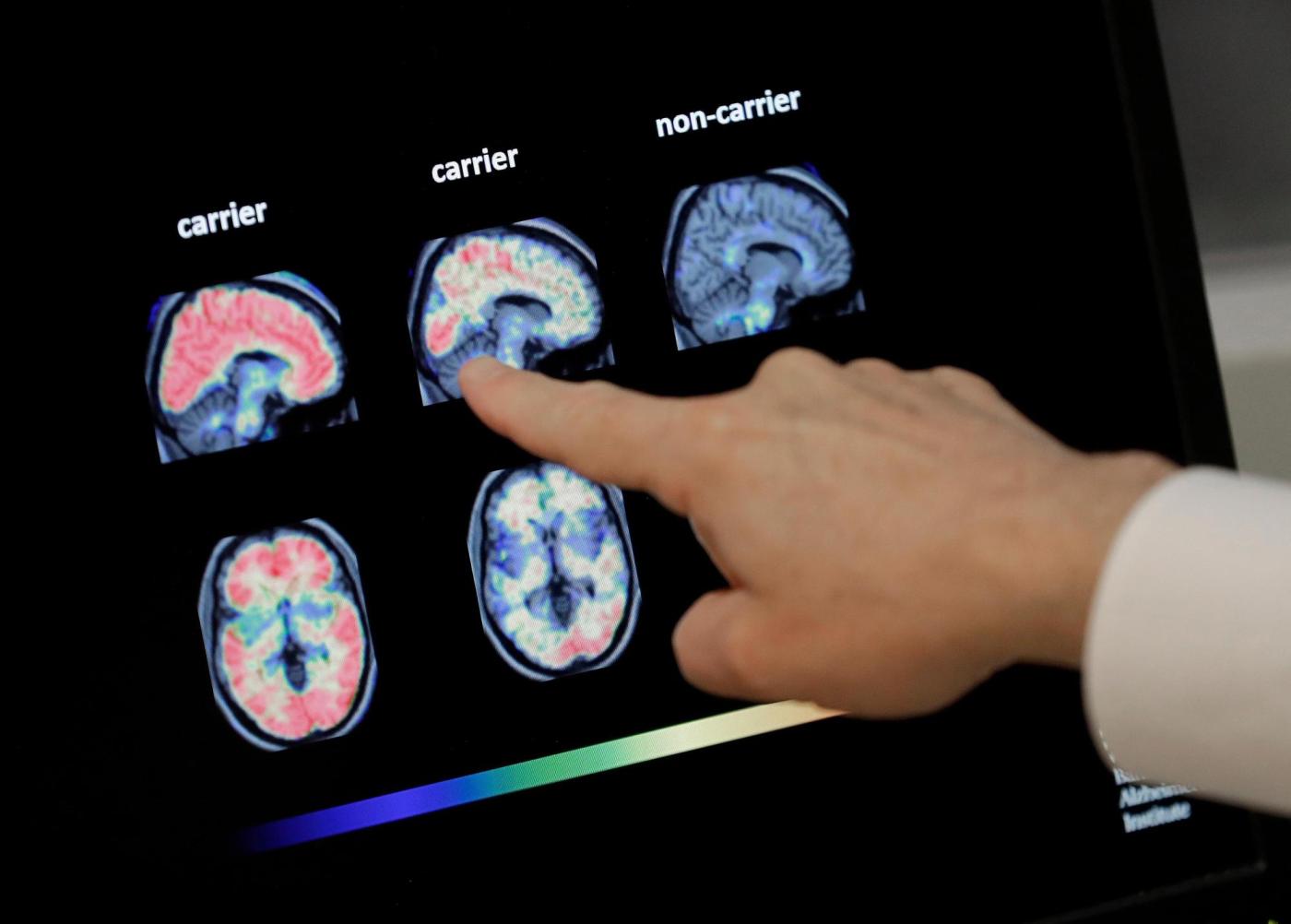
A recent study conducted by researchers at Boston University has revealed a significant connection between chronic traumatic encephalopathy (CTE) and an increased risk of dementia. The findings, which mark the largest examination of its kind from the Boston University CTE Center, indicate that individuals with advanced CTE, often the result of repetitive head impacts, have four times the likelihood of being diagnosed with dementia.
This revelation serves as a crucial wake-up call for current sufferers of CTE, those who have experienced repeated head injuries, and their families. The potential for a future dementia diagnosis adds a layer of urgency to an already serious health condition.
According to the Centers for Disease Control and Prevention, over 11 million adults in the United States provide unpaid care for someone suffering from some form of dementia. In 2023, these caregivers contributed approximately 18.4 billion hours of care. The National Institutes of Health projects that the annual number of new dementia cases will double by 2060, driven largely by an aging population.
Economic Impact of Dementia on Society
The economic ramifications of dementia are staggering. A project funded by the National Institute on Aging estimates that the total economic burden of Alzheimer’s disease and related dementias will reach $781 billion in the U.S. this year. This figure underscores an impending crisis not just for individuals and families but also for the broader economy.
As the number of dementia cases rises, there is an increasing demand for specialized care facilities, particularly nursing homes. Currently, fewer than 5% of nursing home beds are allocated to dementia special care units. This disparity highlights the urgent need for improved resources and infrastructure to accommodate the growing patient population.
The relationship between CTE and dementia suggests that the future could face unprecedented challenges in caregiving, economic costs, and specialized medical needs. Decisions made today may either alleviate these burdens or exacerbate them.
Urgent Need for Research and Protective Measures
Recent advancements in treating dementia, particularly in slowing cognitive decline in early-stage Alzheimer’s, offer hope. Dr. Alosco, a researcher involved in the study, stated, “Establishing that cognitive symptoms and dementia are outcomes of CTE moves us closer to being able to accurately detect and diagnose CTE during life, which is urgently needed.”
This moment in research calls for immediate action and increased funding. Prioritizing research into dementia, Alzheimer’s, and CTE should be a central focus for policymakers. This is not merely a long-term issue; it requires immediate attention to investigate predictors of dementia and Alzheimer’s, develop effective medications, and address underlying causes.
In the case of CTE, enhancing protective gear for sports and ensuring the safety of military personnel are critical steps forward. With predictions indicating that dementia cases could double by 2060, proactive measures are essential.
The nation has the capacity to confront this challenge head-on, similar to the concerted efforts seen during the development of the COVID-19 vaccine. By ramping up protective measures and supporting caregivers, it is possible to mitigate the impending crisis.
Failure to act may lead to a return to polarized politics, neglecting a significant health issue that affects millions. The future of dementia care and prevention depends on collaborative efforts to address this growing concern.