A 24-year-old woman in Arizona is recovering from a rare and life-threatening illness after consuming a meal that left her nearly paralyzed. Trinity Peterson-Mayes experienced a rapid decline in her health following a dinner with friends last month, where she sampled homemade fermented swordfish. Initially healthy, Peterson-Mayes described the taste as unpleasant but thought it would only lead to a minor stomach upset.
Within days, her situation escalated dramatically. She began having difficulty swallowing liquids, which soon progressed to an inability to drink water altogether. “I noticed that when I was chugging water, I wouldn’t be able to chug it. It was going down the wrong pipe,” she explained. After a near-choking incident with coffee, she sought medical attention at a local hospital.
Diagnosis and Treatment
At first, medical staff were uncertain about her condition. Peterson-Mayes insisted on further evaluation, leading to her transfer for specialized neurological care at St. Joseph’s Medical Center and Barrow Neurological Institute. There, she received a definitive diagnosis of botulism, a rare illness caused by a toxin produced by the bacterium Clostridium botulinum.
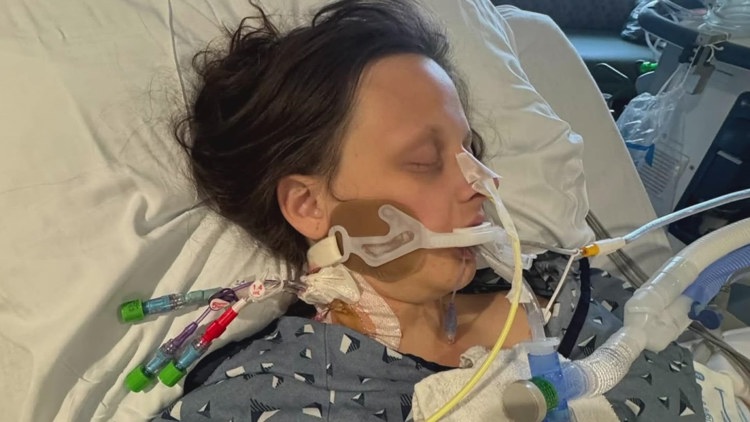
According to Dr. Frank LoVecchio, an emergency physician, botulism cases are exceptionally rare, with only about two dozen food-related cases reported annually. “It’s a neurological toxin which can cause blurred vision and paralysis of the muscles essential for breathing,” he noted. As the toxin spread through her system, Peterson-Mayes’ condition deteriorated, necessitating placement on a ventilator.
“I woke up, and I had three IVs. I was intubated,” she recalled. “I just woke up, and I couldn’t move at all. It was very scary.” After the administration of a life-saving antitoxin, Peterson-Mayes began the painstaking journey to recovery.
Impact on Friends and Future Precautions
Alongside Peterson-Mayes, two of her friends who shared the meal also developed botulism symptoms. Fortunately, they have since been released from the hospital. Peterson-Mayes anticipates leaving the Barrow Neurological Institute within a week but acknowledges that her return to normalcy could take months.
This is not the first health challenge Peterson-Mayes has faced; she is a two-time survivor of childhood cancer. To assist with her medical expenses and living costs during recovery, an online fundraiser has been established by supporters.
As for her future dietary choices, Peterson-Mayes expressed caution regarding seafood. “I am scared of sushi now too. Canned food, sushi, I don’t know about that anymore,” she said. Her experience serves as a stark reminder of the potential dangers associated with improperly prepared foods.