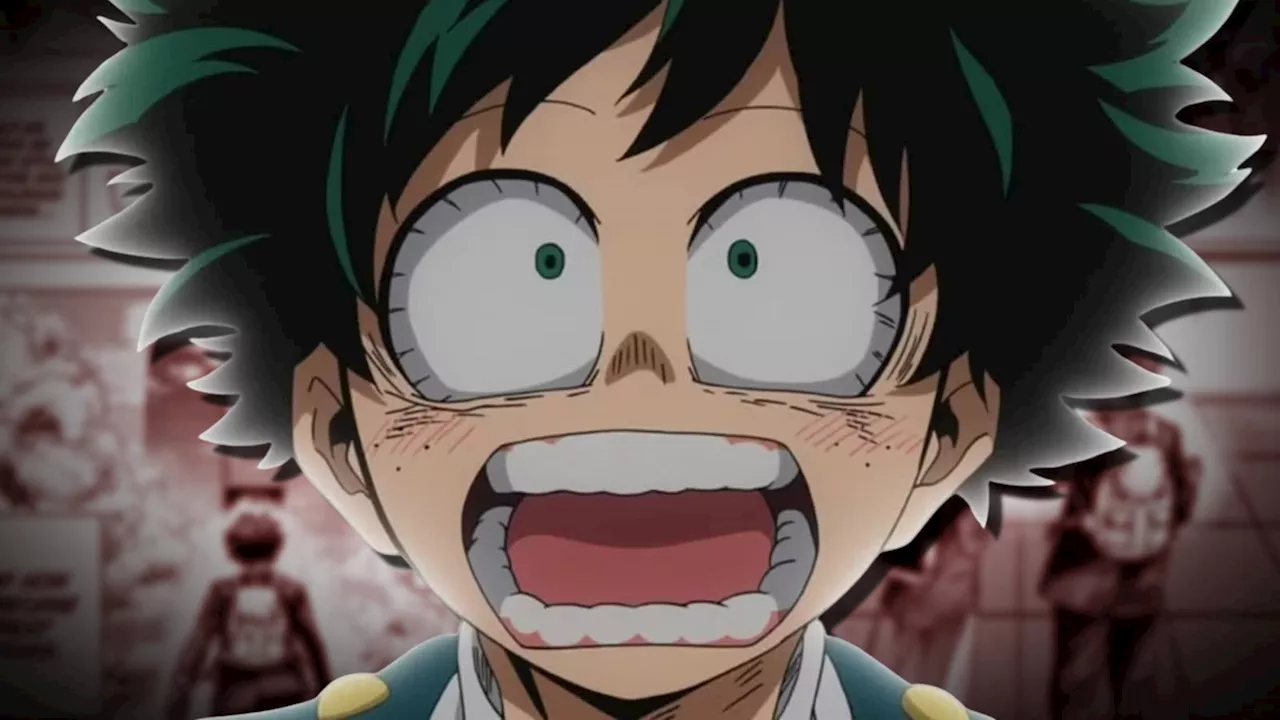
The ending of My Hero Academia has sparked significant debate among fans, particularly following its conclusion in 2024. While some embraced the resolution and the evolution of the protagonist, Izuku Midoriya, known as Deku, others expressed disappointment over the perceived neglect of key characters. This divide was further complicated by the release of an epilogue chapter aimed at addressing some of the community’s concerns.
Creator’s Original Vision Revealed
In a revealing interview for the My Hero Academia exhibition in 2025, series creator Kohei Horikoshi discussed his initial plans for the story’s finale. He stated, “I originally planned for it to end with Deku becoming a teacher and saying ‘You can be a hero!’ Having used up his powers but looking fully confident.” This concept shifted as the narrative expanded to explore broader themes beyond Deku’s journey, leading to a significant alteration in the final monologue.
Horikoshi’s original ending would have seen Deku firmly positioned as the world’s greatest hero, echoing his iconic declaration from Chapter #1: “This is the story of how I became the greatest hero.” In contrast, the finalized ending reflects a more collective approach, culminating in the line, “This is the story of how we all became the greatest heroes,” found in Chapter #324.
Impact of the Changes
The decision to modify the conclusion has been met with approval from many fans and critics alike. The narrative’s evolution from a singular focus on Deku to a broader exploration of community dynamics has given depth to the series, distinguishing it from traditional power fantasies such as Naruto. This shift allowed for more nuanced character development, particularly for figures like Bakugo and Endeavor, whose arcs would have diminished under Horikoshi’s original concept.
Despite mixed reactions regarding character closure, the release of the new anime epilogue offers fans a chance to revisit unresolved storylines. The epilogue serves as a bridge, connecting the series’ themes of heroism and community, reinforcing the idea that the essence of My Hero Academia lies in its portrayal of support and collaboration among heroes.
Ultimately, while opinions on the series’ ending may vary, it is crucial to recognize Horikoshi’s insight in realizing that the heart of My Hero Academia is about reaching out to others. This thematic shift enhances the narrative’s relevance, making it not just a story of individual triumph but a celebration of collective strength and resilience.