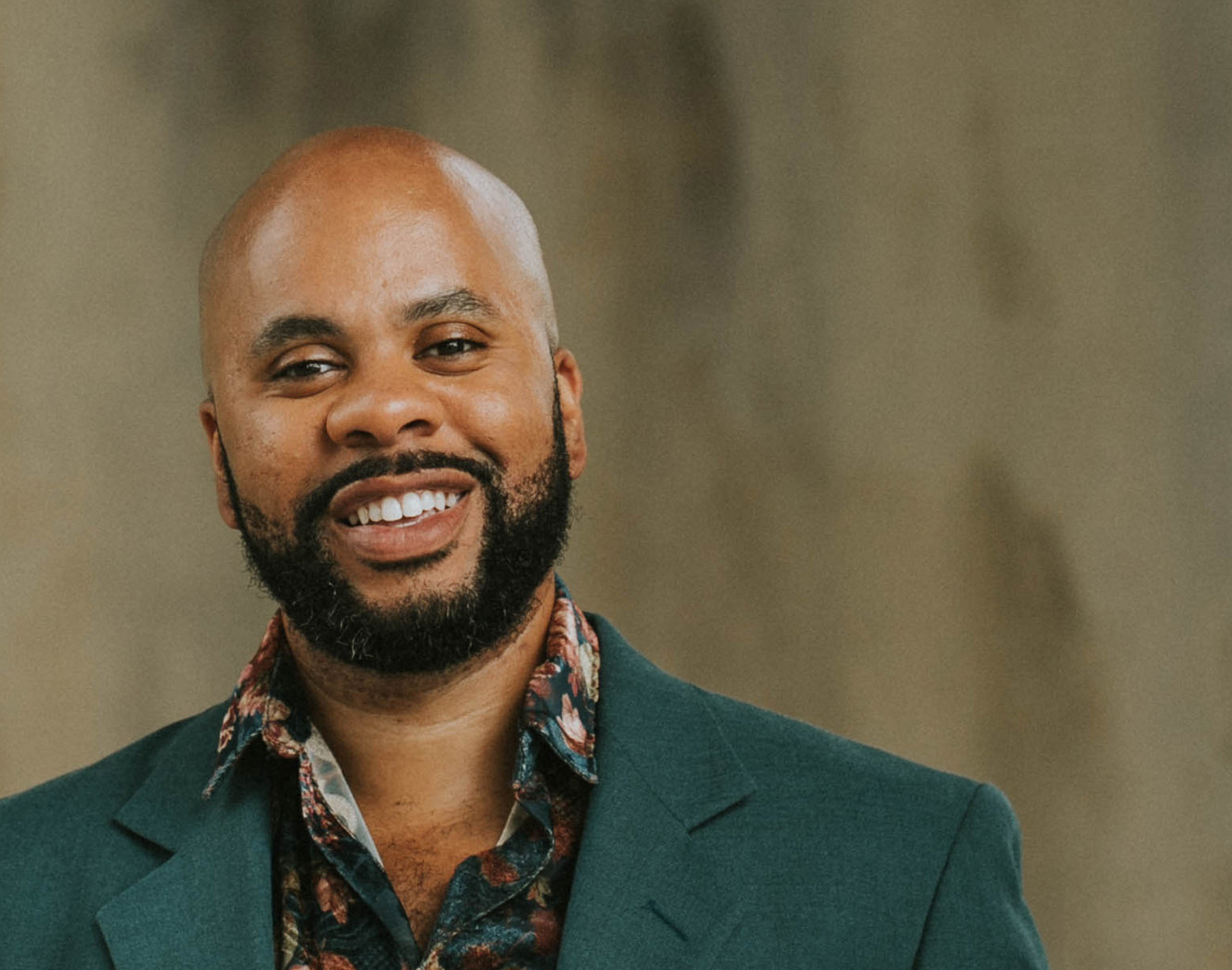
Dr. David M. Klein has established himself as a pivotal figure in guiding capital-backed organizations through complex challenges. With extensive experience across various industries, his approach blends insights from psychology, sociology, and marketing to help companies navigate growth and structural difficulties.
Klein’s career began in academia, where he pursued an interdisciplinary study of how people process information and how service systems influence perceptions. His research focused on the gaps between brand promises, employee understanding, and customer experiences. “I developed analytical models to map the gaps between brand promise, employee understanding, and customer experience,” he explains. This foundational work laid the groundwork for his later transition into practical applications in business.
After earning his doctorate, Klein initially took on a professorship, but he soon found that he was more drawn to applied problem-solving. He began consulting while maintaining his academic commitments, collaborating with operators facing challenges related to growth and capital allocation. His pivotal shift from academia to consulting coincided with the dot-com era, a time marked by rapid investment cycles and a multitude of emerging business models.
During this period, Klein traveled extensively across the United States, advising investors on identifying which internet ventures held long-term potential. His expertise was crucial in evaluating fast-evolving markets that defied traditional analysis. One notable project involved advising a national equipment business struggling to integrate newly acquired locations with established operations. Klein proposed a franchise model for the underperforming units, enabling local operators to take charge while preserving the core system’s strength.
Klein’s methodology is characterized by what he refers to as an “agnostic model.” This framework allows him to apply insights gained from one industry to another, thereby enhancing operational efficiency. His work spans various sectors, including hospitality, food innovation, consumer products, and technology ventures. Currently, he serves as Managing Member of DMKlein & Associates, where he leverages his cross-industry expertise to assist emerging growth companies both in the U.S. and internationally.
In this role, Klein manages comprehensive operations, oversees funding for early-stage ventures, and develops strategic plans aimed at driving growth. “I focus on tools and frameworks that work across different situations, rather than getting stuck in one narrow specialty,” he states. His emphasis on clear communication, aligned governance, and effective organizational design underscores the key levers for long-term success.
Klein’s entrepreneurial spirit is also evident in his co-founding of a food venture that emphasizes traditional digestive principles. This venture aimed to create a product that maintains the integrity of whole ingredients while delivering the familiarity of a frozen treat. Scaling the business involved navigating regulatory challenges and international distribution, highlighting the necessity of synchronizing science, market readiness, and governance.
Throughout his career, Klein has focused on turnarounds and reorganizations. He employs stakeholder-based models to identify misalignments between expectations and execution, enabling him to guide restructuring plans that clarify communication and leadership roles. Once organizations stabilize, he often introduces experienced industry specialists to support ongoing growth, stepping back as the company becomes better positioned for its next phase.
“I’ve found that my ability to move across different industries is shaped in part by my ability to integrate both hemispheres of my brain,” Klein explains. This cognitive flexibility allows him to see connections and patterns that others might overlook, particularly valuable when advising capital-backed organizations in dynamic environments.
Klein’s commitment to social and environmental responsibility is integral to his professional philosophy. He believes that long-term success extends beyond financial outcomes to include how organizations treat people and engage with their communities. This perspective reflects his conviction that fairness, sustainability, and shared benefit are essential for any enduring enterprise. Klein has made a point of stepping away from assignments where leadership ethics or stakeholder treatment did not align with his values.
“A company is like a person,” he asserts. “You cannot adjust the financial system without tending to the human and cultural systems. Real change asks for all three to move together.” His trajectory underscores the importance of seasoned executives who possess the judgment necessary to navigate complexity. As he continues to work with capital-backed organizations, Klein’s cross-industry perspective and systems-level thinking remain vital for creating value in high-stakes environments.