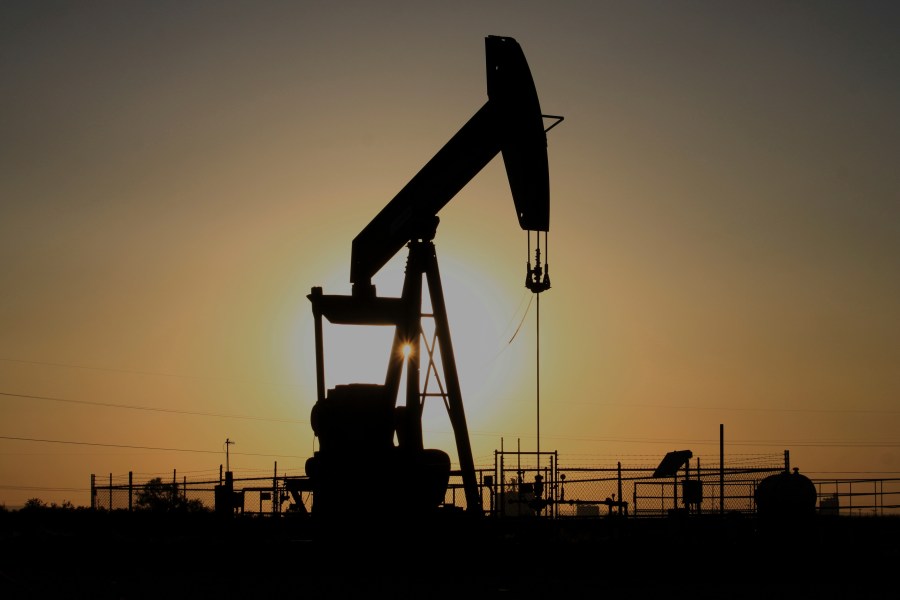
A new initiative by the Trump administration to reduce the costs associated with oil drilling on federal land is significantly impacting state budgets, particularly in regions heavily reliant on oil and gas revenue. New Mexico, in particular, is feeling the fiscal strain as it seeks to invest in early childhood education and build reserves for future needs.
The administration’s policy shift is aimed at making drilling more profitable for companies operating on federal land. This change follows the enactment of legislation that encourages increased oil production by cutting regulatory barriers and reducing fees. Such measures are expected to bolster drilling activity, but they also pose challenges for states that depend heavily on revenue from oil and gas extraction.
Implications for New Mexico’s Budget
In New Mexico, where oil and gas account for a substantial portion of the state’s revenue, legislators are grappling with the consequences of these federal policies. In the fiscal year 2022, the state was projected to collect approximately $1.6 billion from oil and gas, but the new federal regulations could alter those expectations. As the state expands its early childhood education programs, a vital investment for its future, lawmakers are concerned about sustaining funding levels amid fluctuating revenue.
The pressure is mounting as state officials attempt to balance their budgets while meeting educational needs. New Mexico Governor Michelle Lujan Grisham has emphasized the importance of stable funding for education, stating, “Our children’s future depends on our ability to invest wisely today.” The state’s budget is now at risk, with potential cuts looming if oil and gas revenues decline.
Broader Economic Impact
While New Mexico faces immediate challenges, the broader implications of this drilling policy extend to other states that also rely on oil and gas revenues. States like Texas and North Dakota may experience similar fiscal pressures, but the impact will vary depending on each state’s unique economic structure and reliance on these industries.
The Republican Party argues that increased drilling will create jobs and stimulate economic growth. However, critics contend that these policies could lead to a boom-and-bust cycle that ultimately harms local economies. The environmental impacts of expanded drilling are also under scrutiny, adding another layer of complexity to the debate.
As states navigate this changing landscape, they must weigh the potential benefits of increased oil production against the urgent need for sustainable funding for essential programs. The upcoming legislative sessions in various states will likely focus on addressing these challenges as officials seek to adapt to the evolving federal policies.
In conclusion, the Trump administration’s push to make oil drilling cheaper has created a fiscal dilemma for states like New Mexico, where oil and gas revenue is crucial for funding vital services. As lawmakers confront these challenges, the balance between economic growth and responsible governance remains a pressing concern.