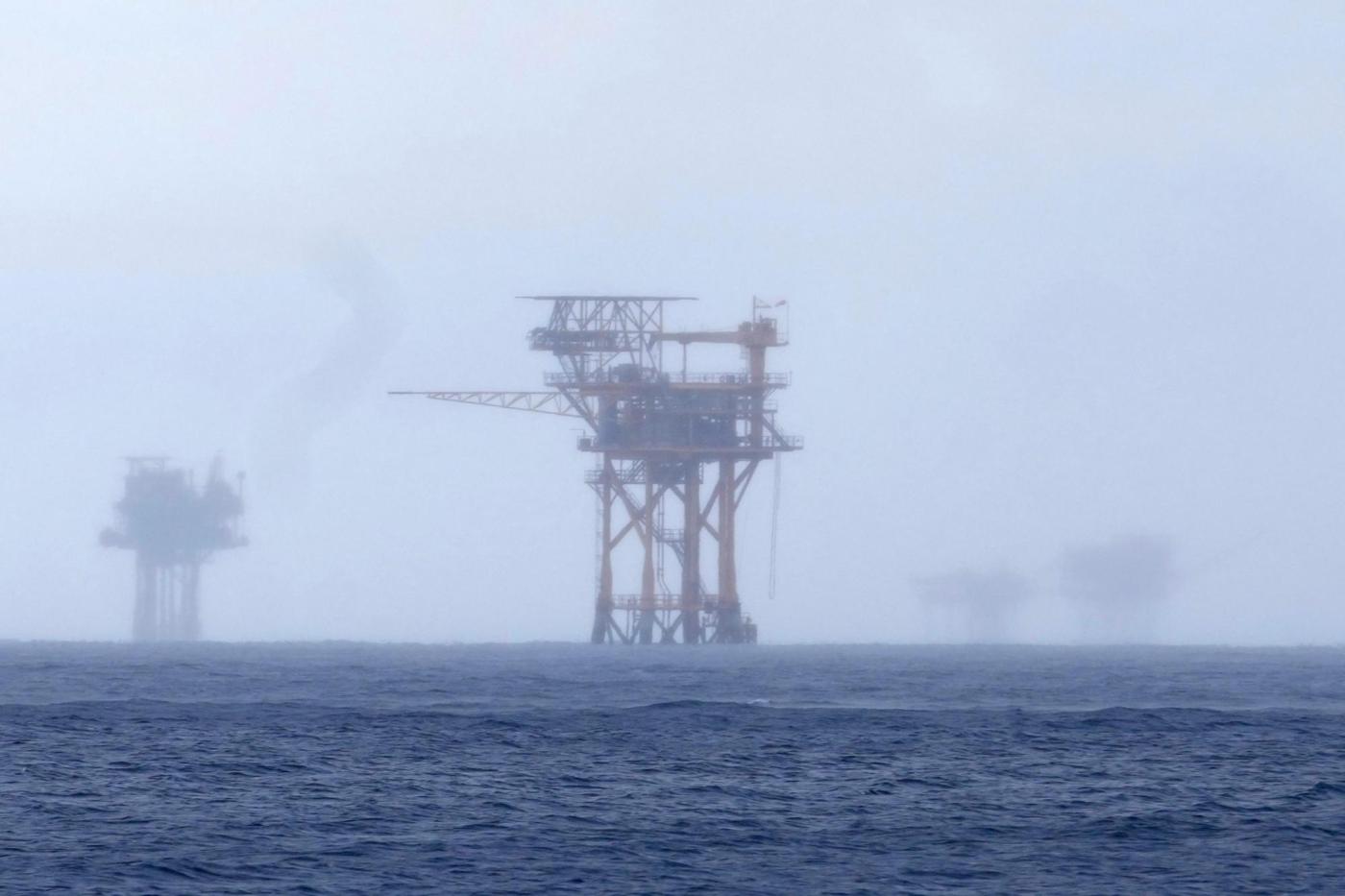
Oil companies submitted bids totaling $279 million for drilling rights in the Gulf of Mexico on March 15, 2024. This sale marks the first of 30 planned lease sales in the region, part of the ongoing initiative by the Republican administration to boost U.S. fossil fuel production.
The lease sale occurred after the administration announced plans to allow new drilling off the coasts of Florida and California, a significant policy shift after decades. This move has sparked concerns, even among some Republicans, regarding its potential impact on tourism and environmental protection.
The sale was mandated by a comprehensive tax-and-spending bill approved by Republicans during the summer. Under this legislation, companies are required to pay a 12.5% royalty on oil produced from the leases, the lowest rate for deep-water drilling since 2007.
A total of 30 companies participated in the bidding, including major industry players such as Chevron, Shell, and BP. The total bids were notably lower than the previous sale in December 2023, which garnered over $100 million more under former President Joe Biden.
Laura Robbins, acting director of the Gulf region for the Bureau of Ocean Energy Management, stated, “This sale reflects a significant step in the federal government’s efforts to restore U.S. energy dominance and advance responsible offshore energy development.” The administration’s push for fossil fuels contrasts with a lack of support for renewable energy initiatives, particularly offshore wind.
Environmental advocates have raised alarms about the implications of increased drilling, warning that wildlife in the Gulf could face a higher risk of oil spills. The region has a history of such incidents, including the catastrophic Deepwater Horizon spill in 2010, which resulted in the deaths of 11 workers and a massive environmental disaster.
Rachel Matthews from the Center for Biological Diversity commented, “The Gulf is already overwhelmed with thousands of oil rigs and pipelines, and oil companies are doing a terrible job of cleaning up after themselves.”
Erik Milito, president of the National Ocean Industries Association, emphasized the significance of the sale, stating that it signals the Gulf is back open for business. He noted that while individual lease sale outcomes may vary, the resumption of regular leasing schedules is crucial for industry planning and investment.
Milito explained, “Knowing that another lease sale is coming in March 2026 allows companies to plan and refine their bids, rather than responding to the uncertainty of a politically driven pause in leasing.”
New regulations require at least two lease sales annually through 2039 and one in 2040, promoting a more predictable environment for bidding. Robbins attributed the reduced bidding levels to this predictable schedule, suggesting that companies are not pressured to bid aggressively all at once.
This latest sale supports an executive order from Trump aimed at accelerating offshore oil and gas development. Interior Secretary Doug Burgum highlighted that the sale is expected to unlock investment, enhance U.S. energy security, and create jobs.
However, Earthjustice attorney George Torgun criticized the administration for conducting the sale without adequate analysis of its environmental impact. He highlighted concerns over oil spills, pollution, and the threat to vulnerable marine life, including the endangered Rice’s whale, which numbers in the dozens in the Gulf.
The environmental advocacy group has petitioned a federal judge to ensure that future oil sales prioritize the protection of Gulf communities.
Typically, only a small fraction of the parcels offered for sale receive bids, mostly in areas where companies anticipate expanding existing operations. It can take years before actual drilling commences. Current leases from the December 2023 sale and another earlier in March 2023 are currently stalled due to litigation, as a court ruled that the Interior Department did not sufficiently consider the implications of greenhouse gas emissions and the impact on marine life.
As the industry navigates this evolving landscape, the future of offshore drilling in the Gulf of Mexico continues to elicit both investment interest and environmental scrutiny.