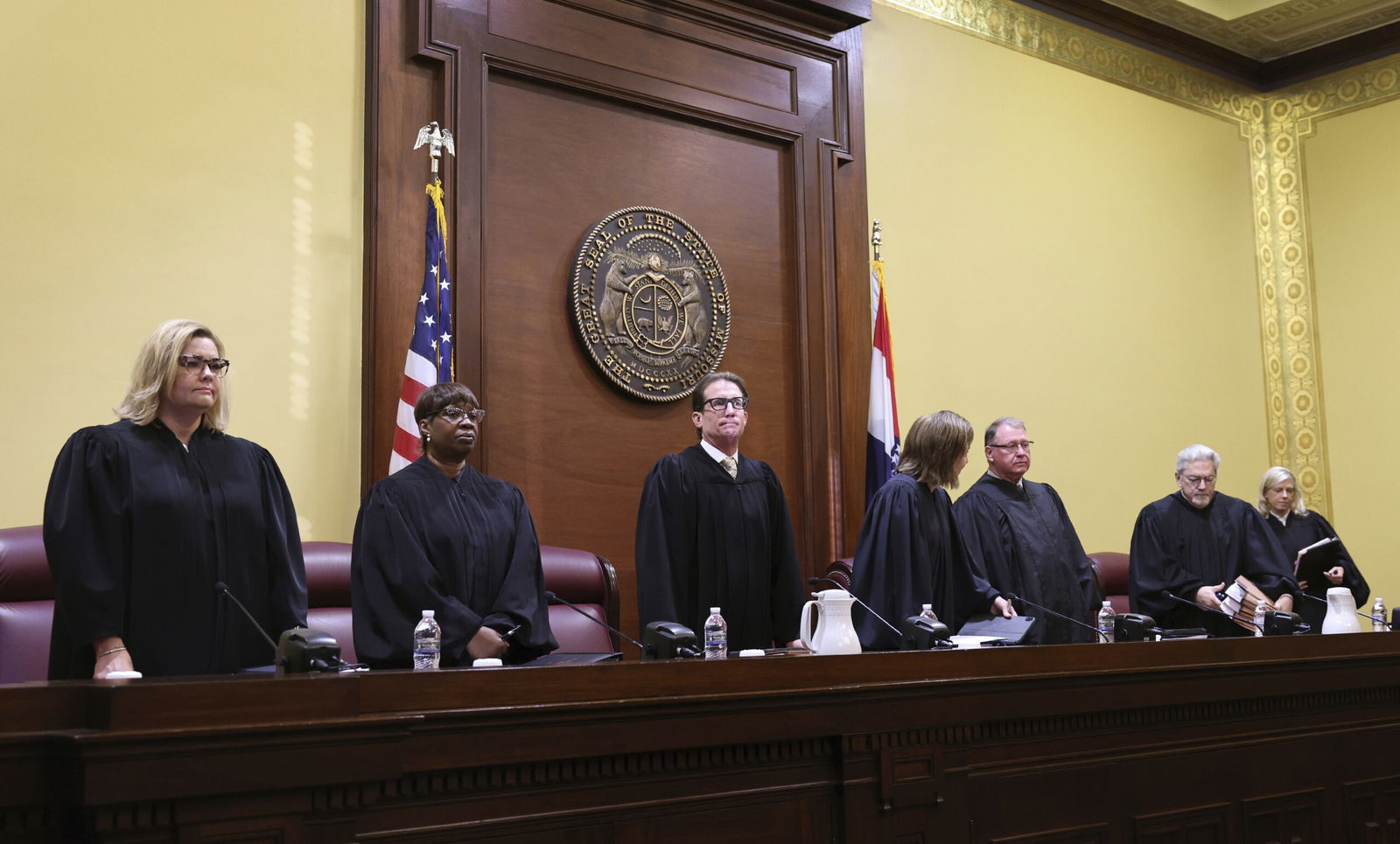
A legal battle is unfolding in Cole County Circuit Court regarding Missouri’s $50 million private school voucher program, known as MOScholars. The program, which has been operational for four years, primarily relies on taxpayer funding, with over 98% of its scholarships sourced from Missouri taxpayers this school year. The court proceedings, held on November 27 and 28, focused on whether state funds can legally support private school tuition.
The Missouri Attorney General’s office defended the program, arguing that general revenue is essential for its transformation. In contrast, the Missouri National Education Association contended that using taxpayer money for this purpose is unlawful. This disagreement has brought attention to the program’s inner workings, which have largely remained outside public scrutiny.
Under the MOScholars program, scholarships are awarded to K-12 students who meet specific criteria. Initiated by state lawmakers in a 2021 bill, the program was designed to operate through donations eligible for a 100% tax credit, capped at half of a donor’s tax liability. Over its first three years, the program garnered approximately $33.8 million in donations. However, in January, Governor Mike Kehoe announced a significant boost to the program through a $50 million general revenue appropriation. This funding increase has nearly tripled the number of scholarships awarded this fall.
According to Assistant Attorney General Peter Donahue, the general revenue funding is crucial for the program’s sustainability. He asked Trent Blair, the treasurer’s director of programs, whether many new scholars would have received scholarships without the state funds. Blair responded, “No.” Out of the 6,418 scholarships awarded this school year, only 111 are funded through tax credits, indicating that without the state appropriation, the program would cover less than 5% of renewal students.
The State Treasurer’s Office, which oversees MOScholars, has faced criticism regarding its funding administration. Blair testified that the timing of donations has created challenges for the program. The bulk of contributions are received in December, while tuition payments are due in August. Consequently, the program has had to navigate cash flow issues, often relying on educational assistance organizations to manage funding until donations arrive. In 2023, two of these organizations admitted they used their private funds to cover tuition costs in the fall, later reimbursing themselves with the incoming donations.
Legal representatives for the Missouri National Education Association have highlighted the program’s eligibility requirements, which are limited to students with an individualized education plan or those from families earning at or below 300% of the income standard for free and reduced-price lunches. During cross-examination, attorney Loretta Haggard queried whether renewal students’ eligibility is reassessed. Blair confirmed that the current system does not check ongoing eligibility, meaning students can retain scholarships even if they no longer meet the criteria.
Prior to this trial, the treasurer’s office has faced scrutiny over its transparency and data management concerning MOScholars. In July, a report by the state auditor revealed that the treasurer’s office failed to conduct the annual audits mandated by state law. Notably, the trial marked a rare opportunity for the treasurer’s office to publicly address questions regarding its administration of the program.
In response to inquiries about the state’s appropriations, Bryan Cleveland, an attorney representing three parents whose children receive assistance through MOScholars, emphasized that the case hinges on statutory interpretations rather than the performance of the treasurer’s office. “The case does not depend on whether any one treasurer is doing a good job,” he noted.
The court has yet to issue a ruling on the case, with a decision expected after December 8, when attorneys are due to submit their post-trial filings. The trial has underscored significant debates over the legality and administration of Missouri’s private school voucher system, raising important questions regarding the future of educational funding in the state.