Adam Miller Emerges as Leading Contender to Fix Los Angeles’ Crisis
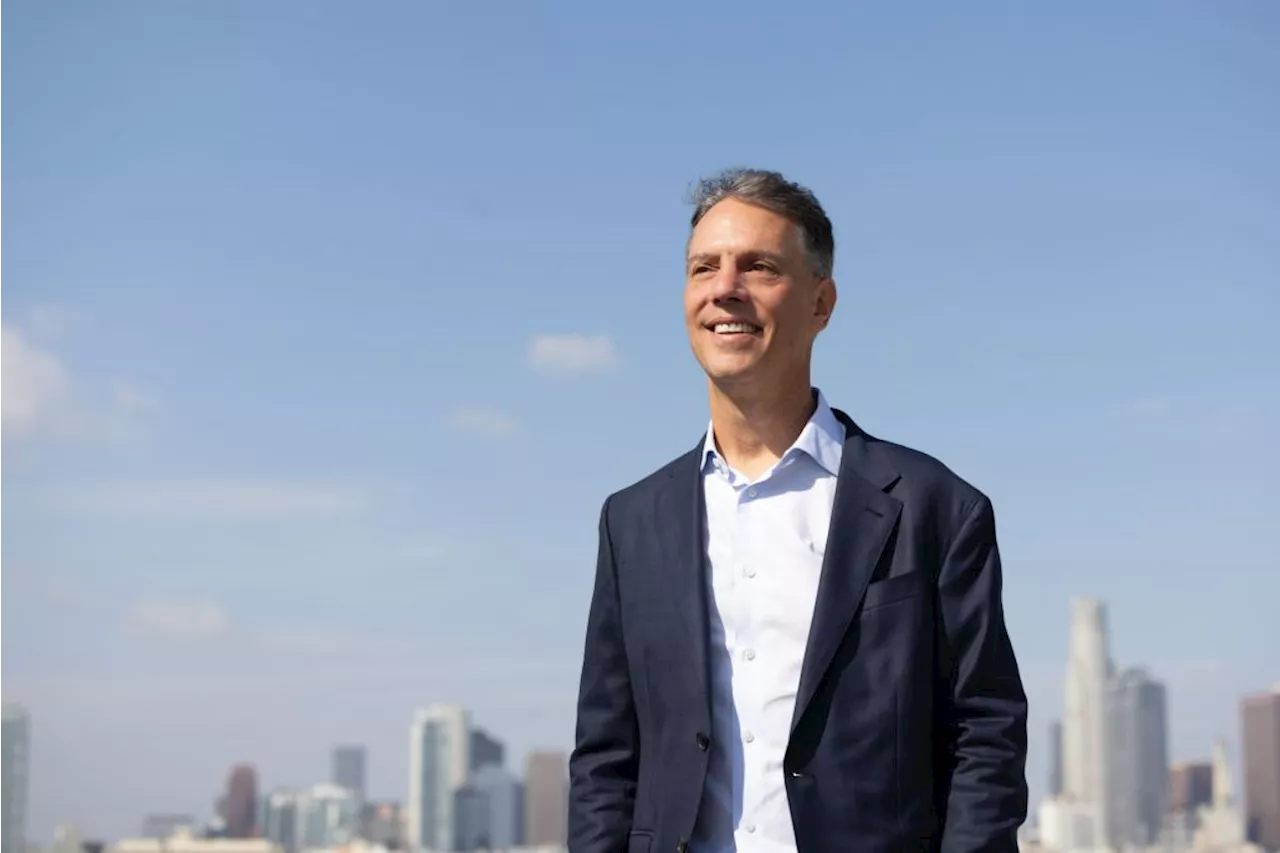
Los Angeles faces a critical crossroads as voters prepare to choose their next mayor in 2026, and Adam Miller is quickly gaining attention with a pragmatic plan to reverse the city’s decline. The city’s troubles are urgent: delayed infrastructure projects, rampant homelessness, unaffordable housing, and public safety concerns are all fueling voter frustration.
Miller, an entrepreneur and nonprofit leader, is positioning himself as the antidote to four more years of mismanagement from incumbent Mayor Karen Bass. The challenges facing LA are glaring and immediate. Visitors arriving at LAX may confront a long-overdue, over-budget “people mover” they cannot use. In the city’s downtown, many witness the pervasive blight of Skid Row, and residents deal daily with shattered streets, rampant copper theft affecting streetlights, and crime on the Sixth Street Viaduct.
“A city that cannot fill a pothole in a reasonable timeframe cannot ask its residents to trust it with anything more ambitious,” Miller said in outlining his first priority: fixing LA’s crumbling road network. He calls for redirecting funds from underperforming city programs to bolster the Bureau of Street Services. For Miller, getting the basics right is not optional—it’s the foundation for all other progress.
Miller’s Vision for Housing, Homelessness, and Public Safety
Housing affordability remains a crisis with soaring costs pushing many Angelenos out. Miller bluntly rejects City Hall’s failed approach and urges building more housing. He plans to cut permitting times by 80% using innovations like AI-driven plan reviews, expanded self-certification, and slashing unnecessary permits. He also proposes suspending Measure ULA on new construction and imposing a strict 30-day permit limit for all fully affordable housing projects.
On homelessness, Miller balances enforcement with compassion. He supports enforcing anti-camping laws to protect families and children from unsafe conditions but stresses rapidly expanding services to connect homeless individuals to lasting support. He also aims to strengthen prevention programs to stop homelessness before it starts.
Public safety is another urgent area of concern. Miller vows to fund police and fire departments adequately and demands city government modernize through technology and stronger accountability measures. His goal is to bring Los Angeles government into the 21st century and restore public trust.
Competitors Falter in Face of LA’s Real Challenges
The mayor’s race also features notable challengers. Karen Bass is criticized for her administration’s lackluster response to disasters, notably the wildfires that ravaged the Palisades and a viral moment that exposed her unpreparedness. Reality TV personality Spencer Pratt has drawn attention with impassioned appeals but lacks the experience to lead a city of LA’s scale.
Councilmember Nithya Raman advocates reform but retains ties to failed policies like Measure ULA and initially supported Bass. Meanwhile, far-left candidate Rae Huang has little experience, splitting votes on the city’s ideological spectrum.
Against this backdrop, Miller stands out as a candidate blending deep private-sector experience—having founded and sold a company for over $5 billion—with a clear, action-oriented platform. As a lifelong Democrat and leader with a multifaceted educational background including a BA, BS, JD, MBA, CPA, and Series 7 certification, Miller stresses measurable outcomes over partisan politics.
Why This Matters for Colorado and US Residents
Los Angeles is a global city and cultural hub whose policies and governance affect national trends in housing, homelessness, and urban management. Colorado residents and other Americans watching urban politics can glean insights on leadership challenges and solutions from LA’s high-stakes mayoral race.
Miller’s focus on infrastructure repair, streamlined housing approval, and balanced public safety reform reflects urgent needs many cities nationwide face in 2026. As cities like Denver and Boulder grapple with similar affordability and homelessness issues, LA’s election could set a new tone for effective urban governance on the West Coast and beyond.
Looking Ahead: What to Watch
As Los Angeles prepares for the World Cup, the spotlight on the mayor’s race intensifies. Miller’s push to address visible city failures immediately—broken streets, housing shortages, and public safety concerns—resonates with voters frustrated by ongoing mismanagement.
The coming months will reveal if Adam Miller’s pragmatic vision will unseat incumbents and transform LA’s leadership or if the city will continue its slide amid political bickering and ineffective policies. For now, LA residents and the nation’s urban watchers have a clear choice emerging: proven competence vs. political theater.