Apple and Google Trackers Outperform Samsung in Latest Tests
New testing confirms a clear dominance by Apple and Google in the battle of Bluetooth tracking tags, with Samsung’s Smarttag falling noticeably behind in reliability and update speed. These tags, designed to help users locate lost valuables through the smartphones nearby, rely heavily on the size and strength of their respective phone networks to work effectively.
According to recent comparisons, both Apple’s Find network and Google’s Find Hub now deliver near real-time updates on item locations, providing users with continuous and precise position reports. Google’s tracking ecosystem, which struggled initially after launching with the Motorola Moto Tag, has dramatically improved after fixing its phone activation process, making its network almost as effective as Apple’s widespread system.
Testing scenarios highlighted a striking disparity. At a busy transit hub—Beijing airport—for instance, Apple and Google trackers reported updates consistently over several hours, while the Samsung Smarttag failed to provide location data for extended periods, sometimes missing updates for hours.
How These Tracking Tags Work
All these tags use Bluetooth to connect to nearby phones, leveraging the phone’s GPS and internet connection to report their whereabouts. Neither tags nor phones require a direct GPS connection themselves; instead, phones periodically notify the network of tag locations when consented to by the user. This setup also enables tags to enjoy long battery lives, typically close to a year with the common CR2032 coin battery.
In Apple’s ecosystem, iPhones actively contribute to the Find network, enhancing the accuracy and update frequency for users. Similarly, Google’s Find network benefits from the broad Android phone base to boost location reporting. Samsung’s approach differs by only allowing a select group of Galaxy phones to support its SmartThings Find network, greatly limiting coverage and effectiveness outside Samsung-heavy environments.
Key Differences and Feature Highlights
While Apple’s Find network includes proactive alerts like warnings when you leave a tag behind, Google’s Find Hub lacks this function as of now. To bridge this gap, third-party developers like Chipolo have introduced warning notifications in their Android apps to alert users about leaving trackers behind.
Some trackers also offer extra utilities. Both the Motorola Moto Tag and Samsung Smarttag enable users to double-tap the tag to make their nearby phone ring, an easy way to find your missing phone. Chipolo adds camera remote trigger capabilities, allowing users to snap photos using their tag as a shutter button.
Tags with Dual Compatibility and Rechargeable Options
Tags that support both Apple and Google’s networks provide flexibility for users uncertain about their phone brand or planning to switch phones. However, you cannot connect such a tag to both networks simultaneously; you must pair it with one system at a time.
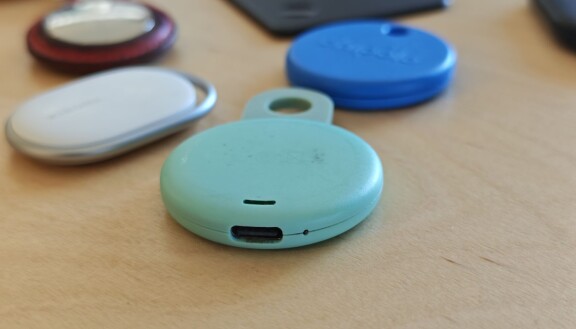
Chipolo stands out for its rechargeable tags — the Loop and Card models — which eliminate the need for battery replacements while still offering about a year of usage per charge. These rechargeable options contrast with the disposable CR2032 batteries used in most other trackers, including Apple’s AirTag.
Durability and Practical Use
Most trackers on the market today, including AirTags, Motorola Moto Tag, and Chipolo devices, boast IP67 water and dust resistance, allowing them to function outdoors and endure occasional exposure to water and dirt. However, Bluetooth signals don’t transmit underwater, so location updates pause if the tracker is submerged.
Design-wise, Apple and Motorola favor compact round shapes that require accessories to attach to key rings or bags. In contrast, Chipolo’s Card features a flexible form ideal for wallets and passports, allowing for more versatile use.
Privacy and Security Safeguards
All major manufacturers — Apple, Google, Samsung, Tile, Chipolo, and others — implement privacy measures to prevent misuse of trackers for illegal surveillance. Phones will alert users if an unknown tag is detected nearby for an extended period, offering instructions on how to disable or remove suspicious devices.
Users can also opt out of contributing location data to the networks, thus controlling how much their phones participate in supporting the vast tracking ecosystems.
Why This Matters Now for Colorado and US Users
For Colorado residents and tech users across the US, these findings impact daily security and convenience in tracking personal items. Investing in Apple or Google-compatible trackers ensures faster, more reliable location updates, especially in urban areas dense with iOS and Android phones like Denver, Boulder, and Aurora.
Meanwhile, Samsung users may want to consider supplementary trackers like Chipolo to avoid long gaps in tracking data, especially if frequently travelling or in mixed-device environments.
What to Watch Next
As Google continues to enhance its Find network and Chipolo expands dual-network support and feature sets, competition will likely intensify to improve tracking speed, coverage, and added utilities.
Consumers should watch for updates on warning alerts from Google and Samsung, along with emerging solutions to streamline battery life and durable designs suited for all lifestyles, including outdoor activities popular in Colorado’s rugged terrain.
In this rapidly evolving segment of personal security tech, staying informed on the latest network capabilities and device compatibilities is vital to safeguarding your valuables with confidence.