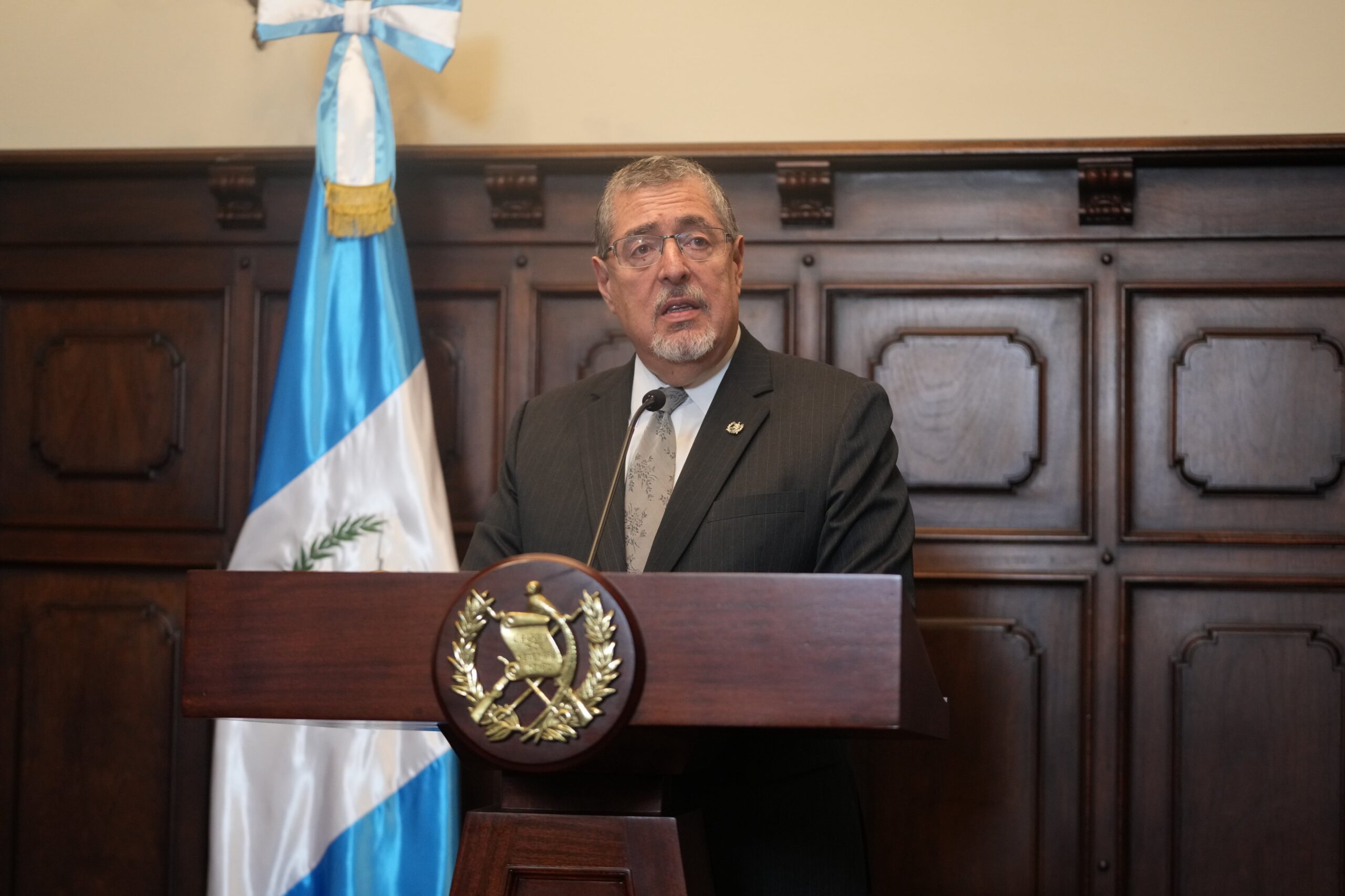
Guatemala’s President Fires Attorney General in Major Anti-Corruption Shake-Up
GUATEMALA CITY — Guatemalan President Bernardo Arévalo made a decisive move today by appointing Gabriel Estuardo García Luna as the new attorney general, ending a bitter, years-long clash with his predecessor Consuelo Porras, who faced international sanctions for obstructing corruption investigations.
Arévalo’s bold decision, effective May 17 when Porras’ term ends, marks a significant step in his campaign to reform Guatemala’s deeply compromised justice system. Porras, sanctioned by more than 40 countries for allegedly weaponizing the prosecutor’s office to target political opponents and shield corrupt officials, sparked outrage both nationally and globally during her controversial tenure.
The president highlighted his intent to restore independence and integrity to the office, stating in a national address that García Luna “does not come to serve a president, the government of the day, or particular or spurious political interests.” This comes after persistent efforts by Porras’ office to block Arévalo’s rise to power, including attempts to disqualify him before his election.
New Attorney General Signals Shift Toward Transparency
Gabriel Estuardo García Luna, aged 49, is a seasoned attorney and notary with over 22 years of professional experience and advanced legal education. He was selected from a competitive pool of six candidates vetted by a commission that included the president of the Supreme Court, deans of law schools, and the national bar association. The commission had reviewed 48 applications for this pivotal post.
García Luna inherits an institution mired in controversy, with widespread criticism of Porras for pursuing politically motivated prosecutions. Her tenure was marked by investigations targeting former judges, journalists, the opposition, and even Arévalo’s Seed Movement party, which faced raids and attempts to strip its political immunity since Arévalo became president.
Arévalo has publicly accused Porras of protecting powerful corrupt interests that perceive his anti-corruption agenda as a threat. The new appointment is widely seen as a crucial pivot in Guatemala’s effort to reclaim the rule of law amid decades of systemic corruption.
What This Means for Guatemala and Beyond
The overhaul of the attorney general’s office is a development with immediate implications for the region’s fight against corruption. For Colorado and U.S. audiences, the shift signals potential stabilization and progress in Central America’s legal systems, a factor that impacts migration patterns, regional security, and economic ties.
The independence of the attorney general office in Guatemala has historically posed challenges, as presidents often contend with rivals entrenched in law enforcement positions. García Luna’s appointment brings hope that the office will no longer serve as a tool for political vendettas or foreign interests, increasing transparency and fostering international cooperation.
Observers will now watch closely to see whether this appointment leads to renewed investigations into longstanding corruption cases and a reduction in politically motivated prosecutions. García Luna’s performance will likely define President Arévalo’s legacy and Guatemala’s future stability.
As the international community continues scrutinizing Guatemala’s governance, this change comes at a critical time when global anti-corruption efforts intensify. Colorado and U.S. policymakers with interests in Central America will be paying close attention to the repercussions.
“The Public Ministry is getting a new authority who does not come to serve a president, the government of the day, or particular or spurious political interests,” said President Bernardo Arévalo.
This decisive leadership change, effective May 17, signals a new chapter for Guatemala’s justice system amid ongoing demands for greater accountability and reform.