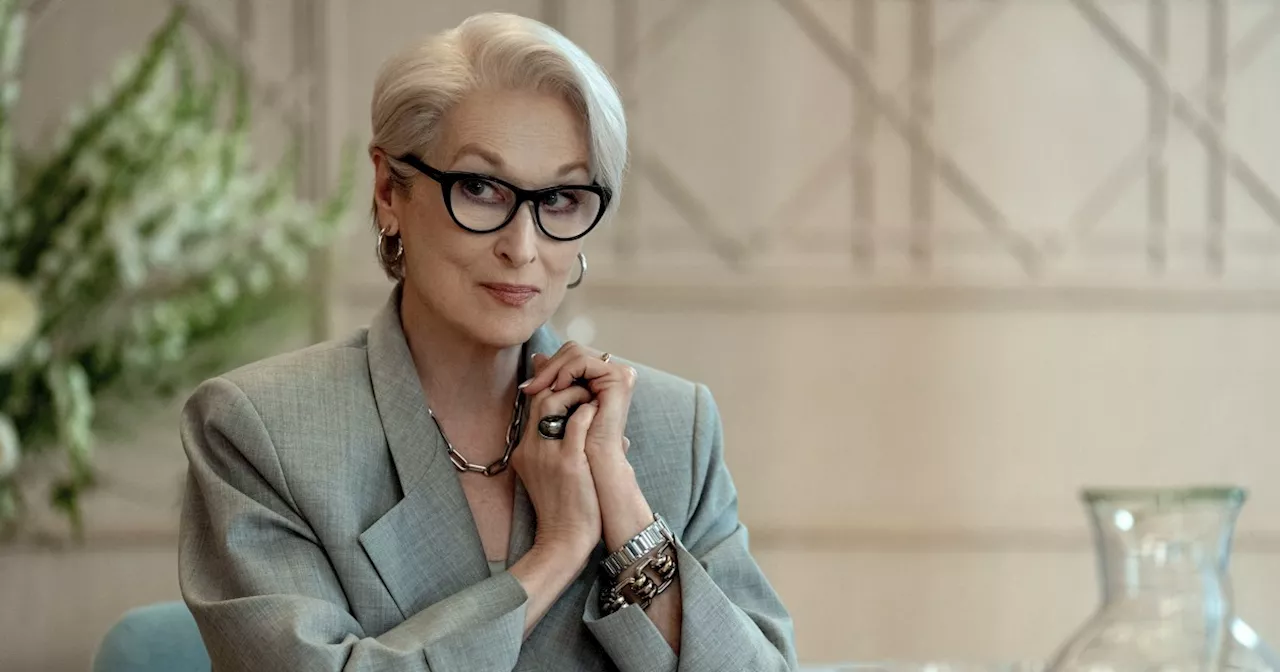
A striking meme from the blockbuster “The Devil Wears Prada 2” that looks like AI-generated garbage was actually created by a human artist, sparking fresh debate over AI’s role in art. The sequel to the iconic 2006 film, which returned this weekend with its original cast, briefly features a fast-food style meme mocking Meryl Streep’s character Miranda Priestley. The meme’s tacky, blurred, “cheap plastic” look fooled many moviegoers into believing it was intentionally made to highlight AI’s messy impact on media.
But Alexis Franklin, a professional illustrator with nearly a decade of experience, revealed that she hand-painted the image after being commissioned by director David Frankel. Franklin posted a time lapse of her artistic process on Instagram, showing her deliberate attempt to mimic the 2010s meme aesthetic—not to imitate AI at all.
“Absolutely no disrespect to Queen Meryl, but this is something I would’ve painted in my free time,” Franklin wrote. She confirmed the digital painting took several days of work and that she was fairly compensated for it.
The revelation shocked many online. Hundreds commented praising the decision to hire a human artist amid rising concerns that AI is overtaking creative professions.
“So refreshing it not being AI,” one user wrote. Another declared, “AI replacing artists 🙅🏻♀️ artists replacing AI 🙂↕️.”
Franklin said she intentionally gave the piece a slightly artificial vibe but denied trying to emulate AI-generated “slop.” “People have pointed out human micro-errors and assume I did it to mimic AI, which is amusing,” she told NBC News.
Despite her transparency, Franklin has faced skepticism and accusations of faking the artwork—even with time-lapse proof and a substantial professional portfolio predating widespread AI use.
Her experience highlights a growing dilemma: as AI technology advances, the public is not only prone to believe fake AI art is real but also doubts the authenticity of genuine human creations.
Franklin stressed, “AI is so prevalent now, it feels like people have forgotten how it got that good — it studied us. The techniques it uses are ours!” She warns that dismissing human artists based on misplaced suspicions could ultimately harm the very creatives people aim to protect.
The “Devil Wears Prada 2” sequel reignited discussion about the evolving media landscape and the interplay between AI, human creativity, and cultural satire. As filmgoers nationwide encounter this meme, the conversation on what constitutes “authentic” art is accelerating — a debate with real implications for artists across Colorado and the United States today.