Iran Seizes Two Foreign-Flagged Oil Tankers Amid Escalating US-Israel War
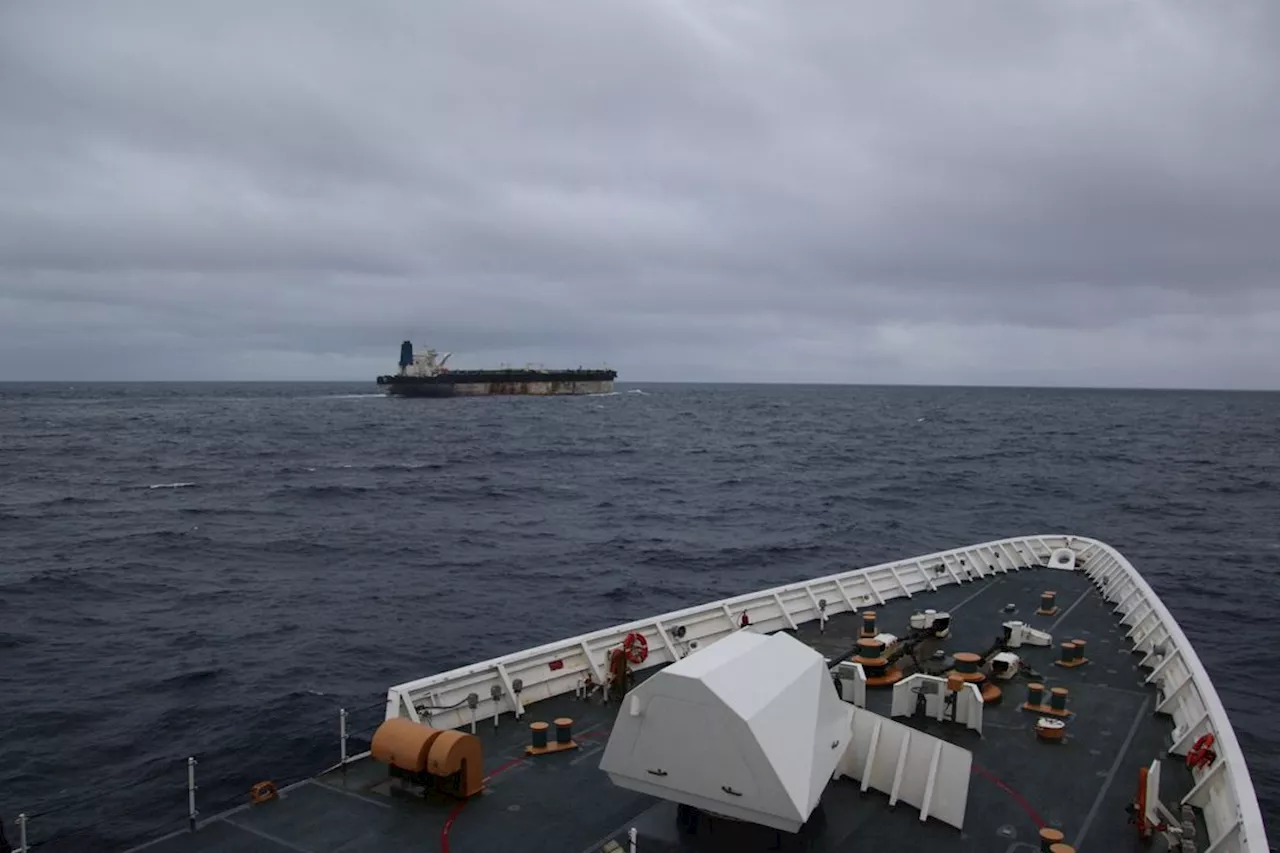
Iran’s Revolutionary Guard has seized two oil tankers flagged by Panama and Liberia, deepening maritime tensions as the war between the US, Israel, and Iran heats up around the crucial Strait of Hormuz.
Last week, Iran detained the Panama-flagged MSC Francesca and the Liberia-flagged Epaminondas, accusing both vessels of maritime violations including breaching navigation systems and endangering other ships. Tehran also alleged the tankers had “ties to Israel.” Both vessels were taken to Iranian shores, according to official statements.
This naval standoff unfolds after Tehran effectively closed the Strait of Hormuz to oil tankers and commercial shipping since the war ignited on February 28 by US and Israeli operations targeting Iran. In reprisal, the United States imposed a naval blockade of Iranian ports beginning April 13, intensifying the tit-for-tat seizure of vessels.
Why Are Most Oil Tankers Flagged to Foreign Countries?
The flags of Panama, Liberia, and other countries dominate global shipping but rarely represent the true owners of these ships. This system, known as “flags of convenience” (FOC), means that up to 80 percent of the world’s merchant fleet is registered abroad for benefits like lower fees, lighter regulations, and opacity.
Panama maintains the world’s largest ship registry, followed by the Marshall Islands and Liberia. Shipowners choose these flags to avoid heavy taxes, strict labor laws, and environmental regulations enforced by countries like the UK or EU states.
Critics argue this system is exploited to dodge accountability, especially for oil spills and legal liabilities. For example, after a massive 1967 oil spill off the UK coast caused by a Liberian-flagged tanker, affected countries struggled to hold the actual owners accountable.
Opaque Ownership Fuels Sanctions Evasion and Maritime Risk
Since ships must sail under a registered flag per international law, FOCs create a disconnect between the vessel’s legal responsibility and its real beneficial owners. Many registries do not require disclosure of the ultimate owner, enabling obscured ownership through complex shell companies across multiple countries.
This opacity supports sanctioned states and entities in evading US and international sanctions by frequently changing flags — a tactic called “flag-hopping.” An example is the Sanctioned Panama-flagged tanker Sophia, seized by the US after four years of sailing under different flags, including Greece and Liberia.
US officials warn that countries like Iran, Venezuela, and Russia operate “shadow fleets” of obscured tankers to illegally ship oil, a scheme now exposed in multiple recent naval operations and seizures.
What’s Next in the Strait of Hormuz Maritime Conflict?
The US and Iran both continue to seize flagged vessels, but the dominant use of flags of convenience complicates that effort. For US authorities, unraveling ownership networks is critical for enforcing sanctions and maintaining maritime security.
This unfolding naval conflict threatens global oil markets and the stability of one of the world’s busiest shipping lanes. As Iran asserts dominance over the Strait of Hormuz and the US upholds its blockade of Iranian ports, further confrontations and maritime incidents are expected.
Colorado and US audiences rely on uninterrupted oil shipments and secure navigation routes, making control over these flagged tankers a significant global security and economic concern today.
“The widespread use of foreign flags shields actual owners and complicates enforcement actions,” maritime analysts note, underscoring the urgent need for transparency reforms in global shipping registries.