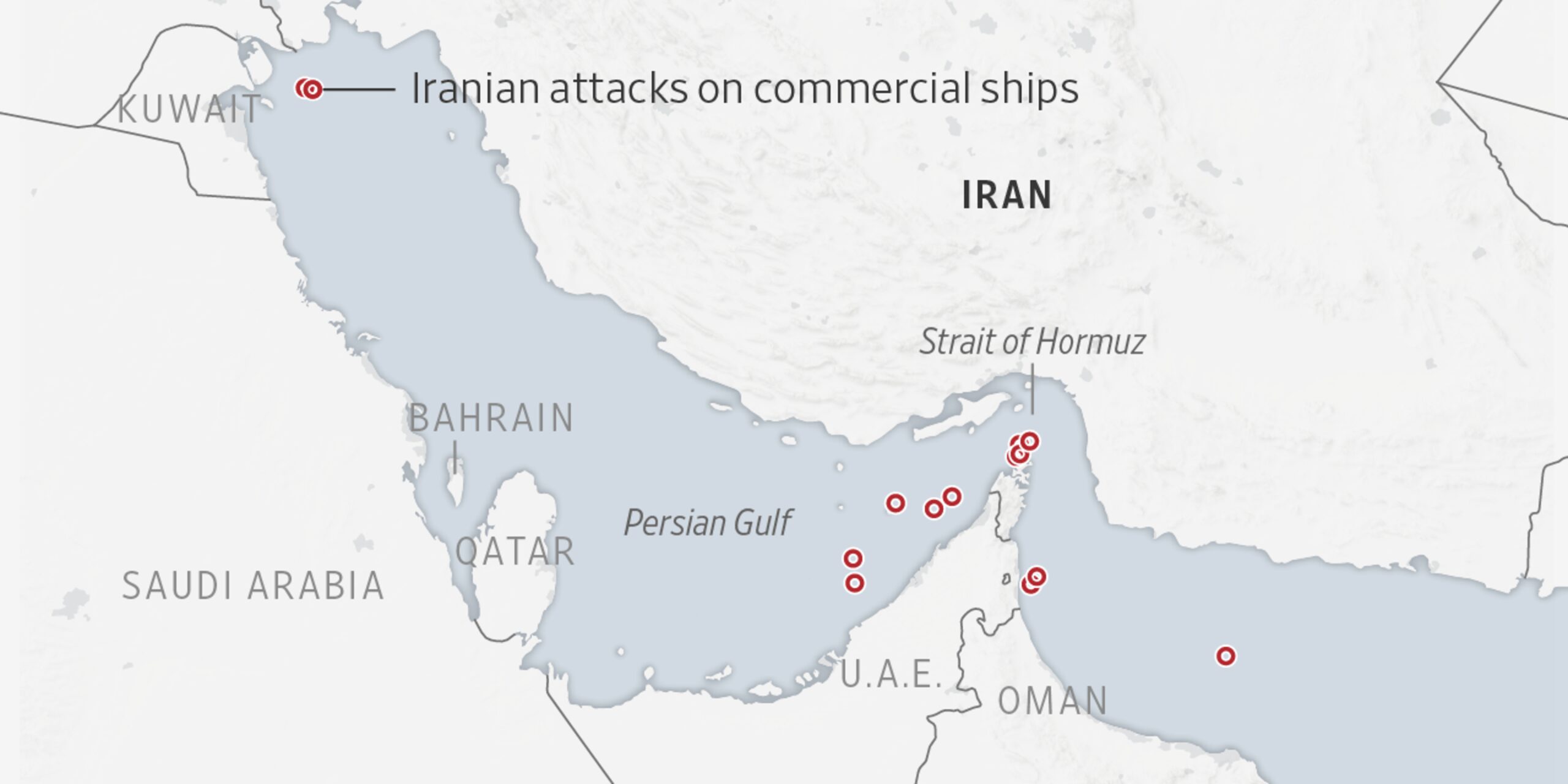
Tensions are escalating in the Strait of Hormuz, a vital maritime corridor through which approximately 20% of the world’s oil passes. Former President Donald Trump is considering various strategies to bolster U.S. presence in the region amid growing concerns over Iranian aggression and the potential for conflict. This situation is particularly critical as the 2024 U.S. midterm elections approach, with political implications for both foreign policy and domestic stability.
Recent developments indicate that Iran has taken a more aggressive stance in the region, prompting discussions about U.S. military options. Trump is weighing several choices, from increasing naval deployments to enhancing partnerships with Gulf states. The U.S. military has already signaled its readiness to respond to threats in the region, but the effectiveness of these measures remains uncertain.
Iran’s Political Landscape and Regional Stability
The hopes of many Iranians for regime change appear diminished as the government tightens its grip on power. Reports suggest that internal dissent is being quelled through increased surveillance and crackdowns on protests. This political climate complicates U.S. efforts to exert influence in the region, as any military action could be framed by Iranian officials as foreign aggression.
The implications of military action extend beyond Iran. Regional allies, particularly Israel, are closely monitoring the situation, given their own security concerns regarding Iran’s nuclear ambitions and support for proxy groups in the Middle East. A confrontation in the Strait of Hormuz could spark wider conflict, further destabilizing the region.
Trump’s options are not just military; they also include diplomatic avenues. Engaging with regional partners and leveraging existing alliances may provide a more sustainable solution to the ongoing tensions. However, the effectiveness of these strategies may hinge on the political landscape in Washington D.C. as the midterm elections draw near.
Domestic Challenges and the Epstein Case
As Trump navigates these international challenges, domestic issues also demand attention. The fallout from the Epstein case continues to resonate, with victims telling their stories and seeking justice. These developments may influence public perception and voter sentiment as candidates prepare for the elections.
The intersection of foreign policy and domestic affairs is palpable. Each decision made in the coming months will have ramifications not just for the U.S. but for global security. Trump’s approach to securing the Strait of Hormuz will be scrutinized in the context of his broader political strategy and the potential impact on his party’s fortunes in the midterms.
In conclusion, the situation in the Strait of Hormuz is complex and fluid. Trump’s military and diplomatic strategies will be pivotal in shaping future U.S.-Iran relations and regional stability. As events unfold, the world will be watching closely, particularly with the midterm elections on the horizon, making it a critical moment for U.S. foreign policy.