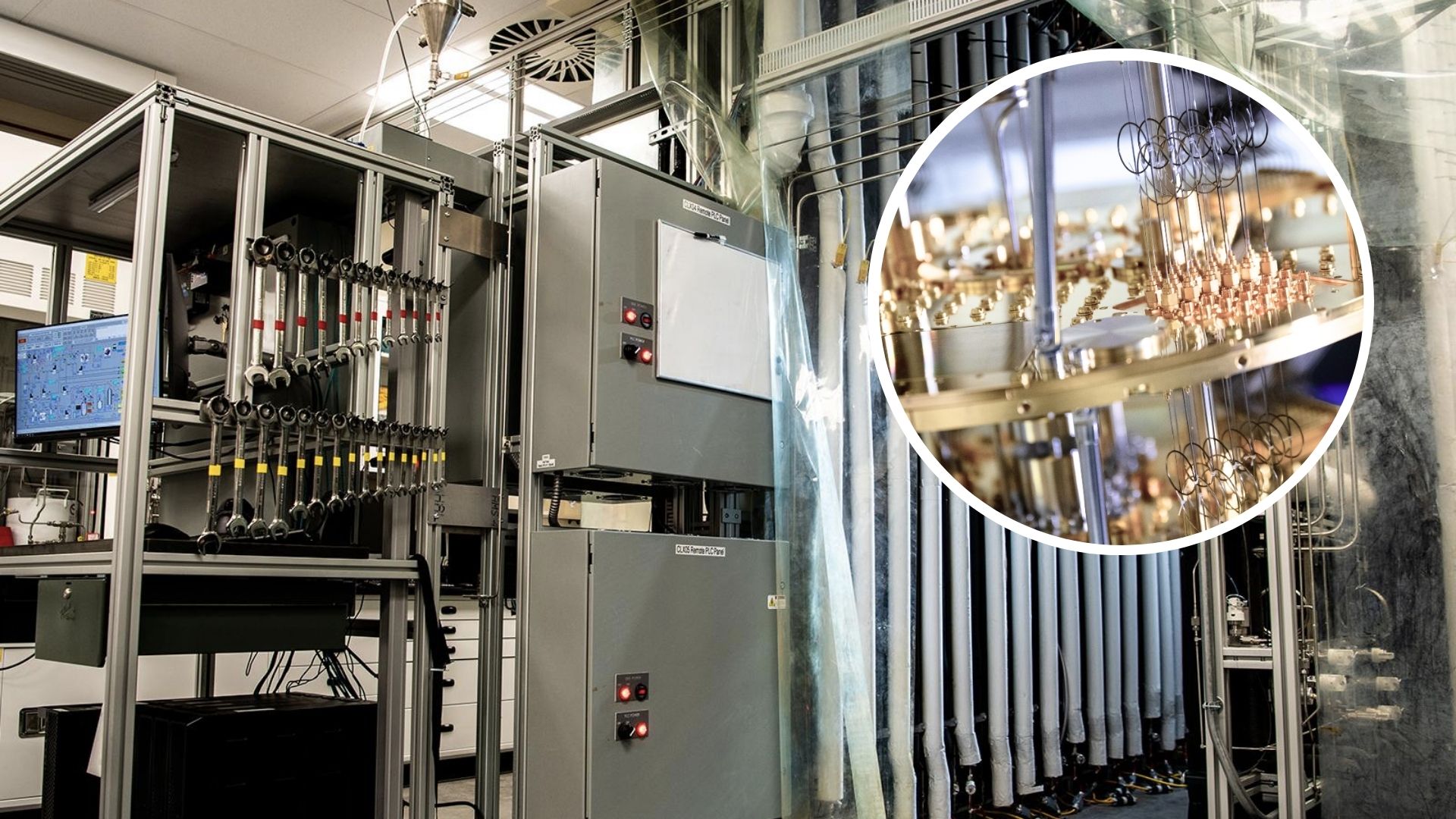
A laboratory in Washington has made significant strides in enhancing the production of quantum materials. The Pacific Northwest National Laboratory (PNNL) has successfully designed and constructed high-purity gas conversion and purification systems for two critical gases: silane and germane. These gases are vital for research and development within the United States in the fields of quantum information science and advanced technology.
Both silane and germane play crucial roles in the semiconductor industry, particularly in the deposition of thin films of silicon and germanium, which are essential for manufacturing advanced computing chips. The successful development of these systems could lead to breakthroughs that enhance the nation’s technological capabilities.
Christopher Landers, Director of the Office of Isotope R&D and Production, emphasized the importance of this initiative. “Our investment to strengthen the supply chain for these specialized materials is more than just a scientific achievement; it’s a strategic imperative for the Genesis Mission,” he stated. Landers added that PNNL is addressing the challenge of providing high-purity materials necessary to drive innovation in quantum computing and artificial intelligence.
Ongoing Research and Development Initiatives
PNNL is continuing its efforts to further isotopically enrich silane and germane by utilizing enhanced thermal diffusion isotope separation (TDIS) technologies. The laboratory has previously developed systems for enriching other gases, such as argon and chlorine. However, additional research is required to design and operate TDIS systems specifically for silane and germane safely.
The laboratory’s expertise in implementing rigorous safety measures for TDIS systems includes developing automated control systems that monitor numerous process variables. These systems alert operators if any conditions deviate from established target levels. Mike Powell, the project’s principal investigator, remarked, “Isotopic dilution of enriched silicon is a challenging problem, but we carefully designed our systems and handling procedures to maintain the starting feedstock isotopic purity.”
PNNL’s ongoing research is focused on creating pathways from commercially available enriched starting compounds to device-compatible precursor gases. This development is crucial for ensuring a stable supply of high-purity materials for researchers and manufacturers.
Enhancing Supply Chain for Advanced Technologies
To further strengthen the supply chain and enhance efficiency, the Isotope Research Program (IRP) is funding PNNL’s exploration of TDIS techniques. This method aims to enrich silane and germane directly, simplifying the production process and reducing the risk of impurities. According to PNNL, these advancements are expected to have a significant impact not only on quantum materials but also on a wide array of advanced technologies, including next-generation semiconductor devices.
This initiative underscores the IRP’s commitment to building a robust infrastructure for specialized materials. Moreover, the program aims to collaborate with industry partners to enhance the properties and specifications of these materials beyond what is currently available on the market.
As PNNL continues to innovate and develop high-purity gas systems, the implications for U.S. technology and industry could be profound. The ongoing research and commitment to advancing materials science may well position the United States at the forefront of quantum technology and related fields.