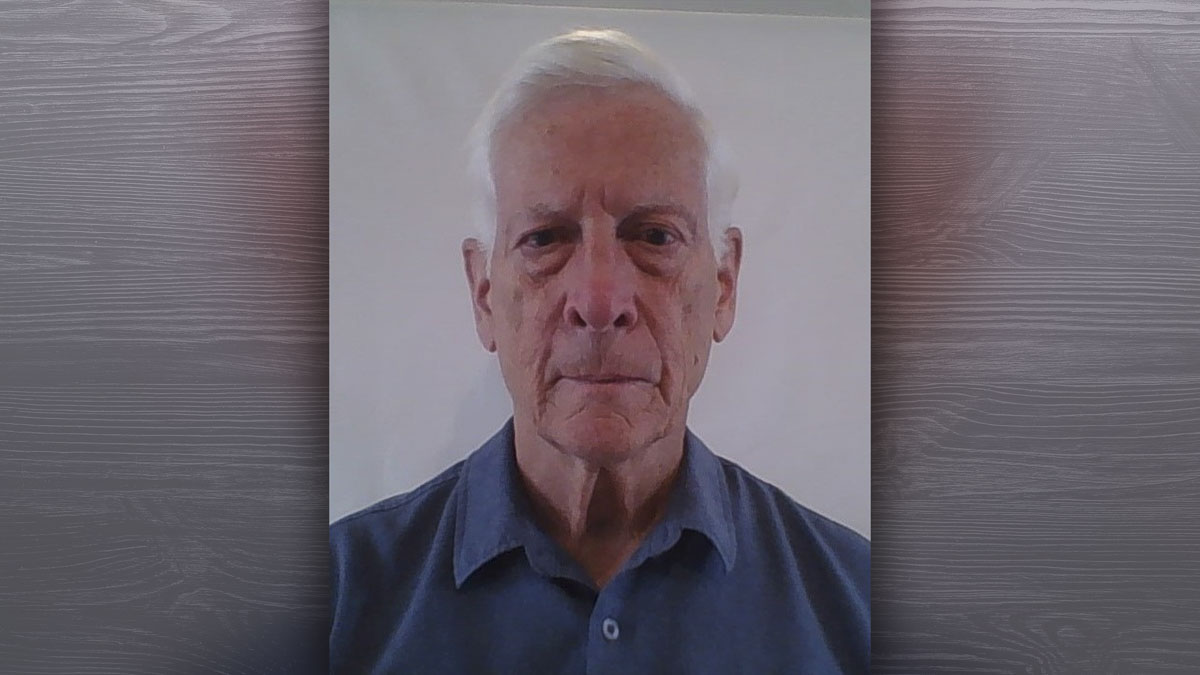
In a recent response to claims made by columnist Nancy Churchill, retired firefighter Brian D. Kendall has defended the integrity of the Law Enforcement Officers’ and Fire Fighters’ (LEOFF) 1 pension system. His letter, published in Clark County Today, contends that Churchill’s assertions regarding the status and management of LEOFF 1 are inaccurate and misleading.
Kendall specifically addresses Churchill’s statement that LEOFF 1 is being “ended.” He asserts that this is false, clarifying that the benefits of the plan remain fully intact. The legislation she referenced, HB 2034, does not eliminate the plan or reduce pensions for any member or surviving spouse. Kendall emphasizes that retirees from LEOFF 1 continue to receive one of the strongest public safety pensions in the United States, which includes lifetime benefits for surviving spouses.
The retired firefighter also refutes Churchill’s claim that Democrats “skimmed four billion dollars” from the pension fund. Instead, he states that $2.5 billion was transferred, and despite this movement, the fund remains robustly financed at approximately 110% of its obligations. According to Kendall, this surplus reflects prudent investments made by the state over decades and does not diminish the benefits earned by retirees.
Kendall expresses concern over the rhetoric used by Churchill, describing her framing of fiscal decisions as “theft” and her characterizations of fellow Washingtonians as “despots.” He argues that such language is not only misleading but also politically charged, designed to incite fear among the community. He insists that Washington’s firefighters have historically relied on democratic support and that responsible budgeting should not be mistaken for an attack on public safety workers.
Moreover, he challenges the notion that LEOFF 1 members are voiceless because they “cannot strike or march anymore.” Kendall asserts that firefighters have never had the option to strike, as doing so would compromise the public safety they are sworn to protect. He insists that the individuals he served with are capable advocates for themselves.
As the letter concludes, Kendall echoes Churchill’s sentiment about voter responsibility, emphasizing the importance of electing leaders who uphold democratic principles and integrity. He calls for a collective effort to seek candidates who respect the rule of law and work within established democratic frameworks.
In this political climate, Kendall’s letter underscores a broader concern regarding the conduct and language used by certain political leaders. He warns that the increasing hostility towards political opponents could undermine public trust in democratic processes and institutions.
Kendall concludes with a reminder that the focus should remain on practical governance and accountability, advocating for leaders who prioritize the stability and integrity of democratic systems over divisive rhetoric.