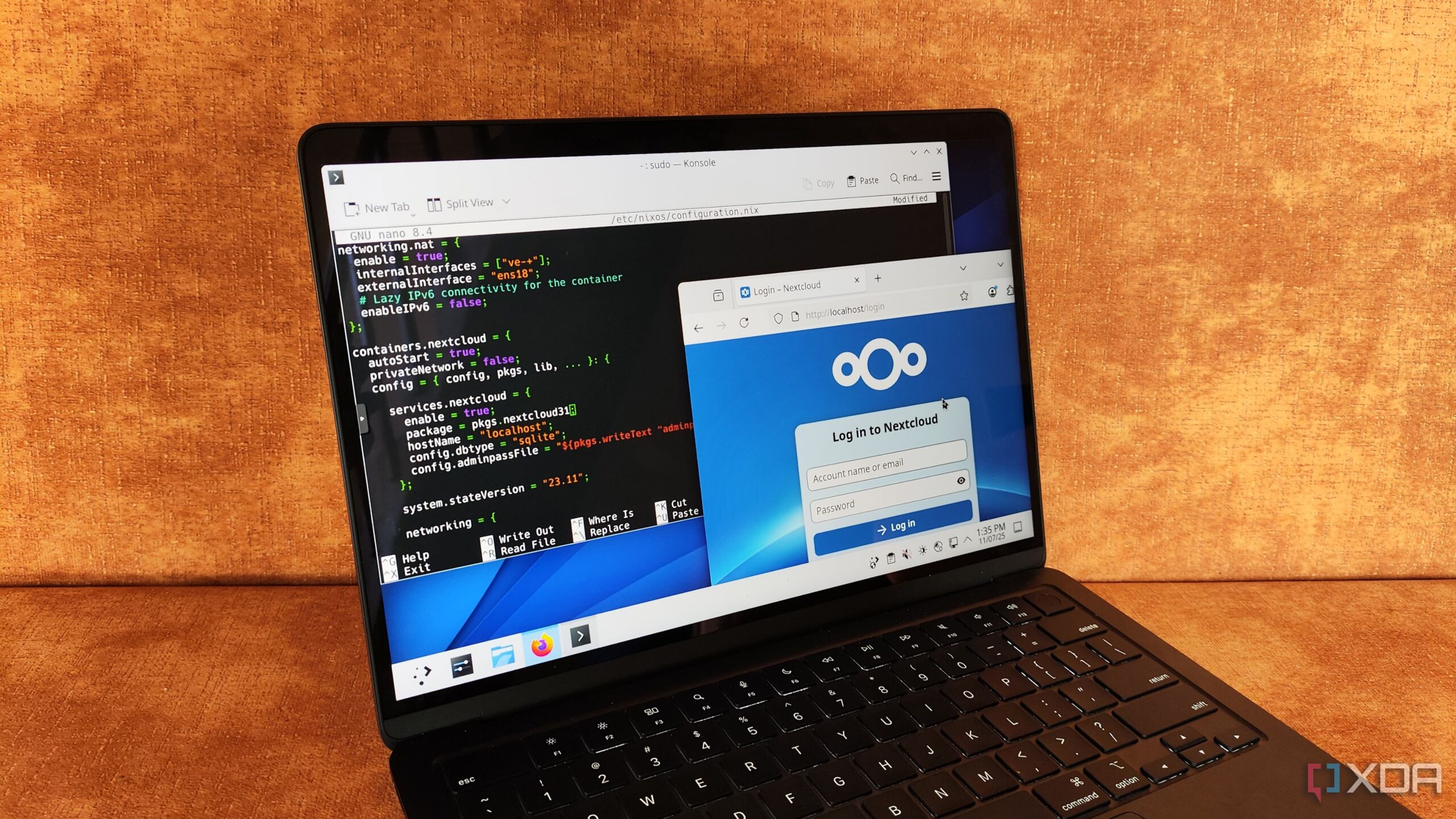
NixOS, a lesser-known Linux distribution, offers a range of features that set it apart from more mainstream alternatives. Users often find its unique approach—managing the entire system configuration through a single text file—both daunting and enlightening. After experiencing NixOS, many users have realized the benefits of its declarative style, generation management, and reproducibility, which are typically absent in other distributions. This article explores the standout elements of NixOS that could be adopted by other Linux systems.
Embracing a Declarative Approach
Upon launching NixOS, users are greeted with a functional desktop environment and an array of applications. However, the real strength lies in its declarative approach. In NixOS, users define their entire system configuration in one file. This can be accessed through a text editor or terminal, with the former often preferred for its structured presentation.
This configuration file allows users to seamlessly adjust network settings, manage user profiles, customize the desktop environment, and install packages for all users, all without navigating through multiple settings menus. The simplicity of defining required packages and active services makes it an appealing option for power users. Unlike other distributions, which often obscure settings behind layers of complexity, NixOS places everything at the user’s fingertips.
Reproducibility and System Snapshots
Reproducibility, while it may sound technical, refers to the ability to replicate a Linux system on another device effortlessly. NixOS achieves this through its singular configuration file, which tracks all personalizations, packages, and settings. Imagine having a Linux system tailored to your needs, only to face a software or hardware failure. With NixOS, recovering your setup is as simple as using the configuration file on a fresh install and running the command nixos-rebuild switch. This feature significantly reduces the time and effort typically required to reinstall and configure a Linux operating system.
Another noteworthy feature of NixOS is its atomic upgrades, which allow users to create system snapshots. Unlike some distributions, such as Ubuntu, which do not support this natively, NixOS prevents issues caused by faulty updates. When an update is applied, it builds a separate version of the system. If the new version encounters problems, users can revert to the previous stable state without losing data or requiring a complete reinstallation. This method fosters a more experimental approach to system changes, as users can make mistakes without fear of permanent damage.
Test-Run Packages Before Installation
The flexibility of testing applications before committing to their installation is another strong point of NixOS. The tool nix-shell allows users to create a temporary environment where they can experiment with packages. This means users can run applications without making any permanent changes to their system. If a package does not meet expectations, closing the shell effectively deletes it, leaving no residual files.
In contrast, many mainstream distributions, like Ubuntu, immediately install packages upon commands, which can lead to unnecessary clutter. Users often resort to virtual machines or containerization to test applications, but these methods can introduce complexity and leftover files. NixOS simplifies this process, allowing users to experiment freely and easily clean up afterward.
While NixOS may not appeal to everyone due to its reliance on terminal commands and configuration files, its innovative features merit attention. The concepts of reproducibility, atomic upgrades, and trial runs of packages provide significant advantages over more traditional approaches. Other Linux distributions could benefit greatly from adopting these practices. Users interested in exploring a different Linux experience may find NixOS to be a valuable option worth testing.