The airline industry is preparing for a significant expansion in ultra-long-haul flights, with ten new nonstop routes expected to debut in 2026. These flights will redefine the limits of air travel, connecting distant cities without the need for refueling stops. Notably, airlines such as Qantas and Singapore Airlines are leading the charge with ambitious plans for long-distance operations.
As travel demand continues to rise, airlines are increasingly investing in advanced aircraft that can sustain longer journeys. The new generation of very long-range, ultra-efficient twinjets enables airlines to offer nonstop services that push the boundaries of both distance and comfort. Qantas has already announced plans for nonstop flights from Sydney to London Heathrow and New York JFK using the Airbus A350-1000ULR, while Turkish Airlines has hinted at a future route from Istanbul to Auckland.
The Longest Nonstop Flights Coming in 2026
The emphasis on nonstop routes is crucial, as any flight requiring a stop, whether for refueling or crew changes, is excluded from this list. Notably, Air India’s services between Bengaluru and San Francisco do not qualify due to their operational changes, despite previous offerings.
Several new routes are scheduled to commence in 2026, including Delta Air Lines flights from Atlanta to Riyadh, Qantas‘ connection between Sydney and Las Vegas, and Royal Jordanian to Dallas. However, none of these new services exceed a flight duration of 15 hours and 35 minutes, which is below the threshold for inclusion in the list of the longest nonstop flights.
The following routes represent the longest nonstop flights anticipated for 2026, based on maximum block time:
– 19 hours 15 minutes: New York JFK to Singapore – Singapore Airlines (daily A350-900ULR)
– 19 hours 10 minutes: Newark to Singapore – Singapore Airlines (daily A350-900ULR)
– 18 hours 10 minutes: New York JFK to Auckland – Air New Zealand (three weekly 787-9), Qantas (five weekly 787-9; flights continue to Sydney)
– 17 hours 55 minutes: Beijing Capital to Mexico City – Hainan Airlines (three weekly to daily 787-9)
– 17 hours 50 minutes: Perth to London Heathrow – Qantas (daily 787-9)
– 17 hours 50 minutes: Los Angeles to Singapore – Singapore Airlines (10 weekly A350-900/A350-900ULR)
– 17 hours 45 minutes: Dallas/Fort Worth to Melbourne – Qantas (three to four weekly 787-9)
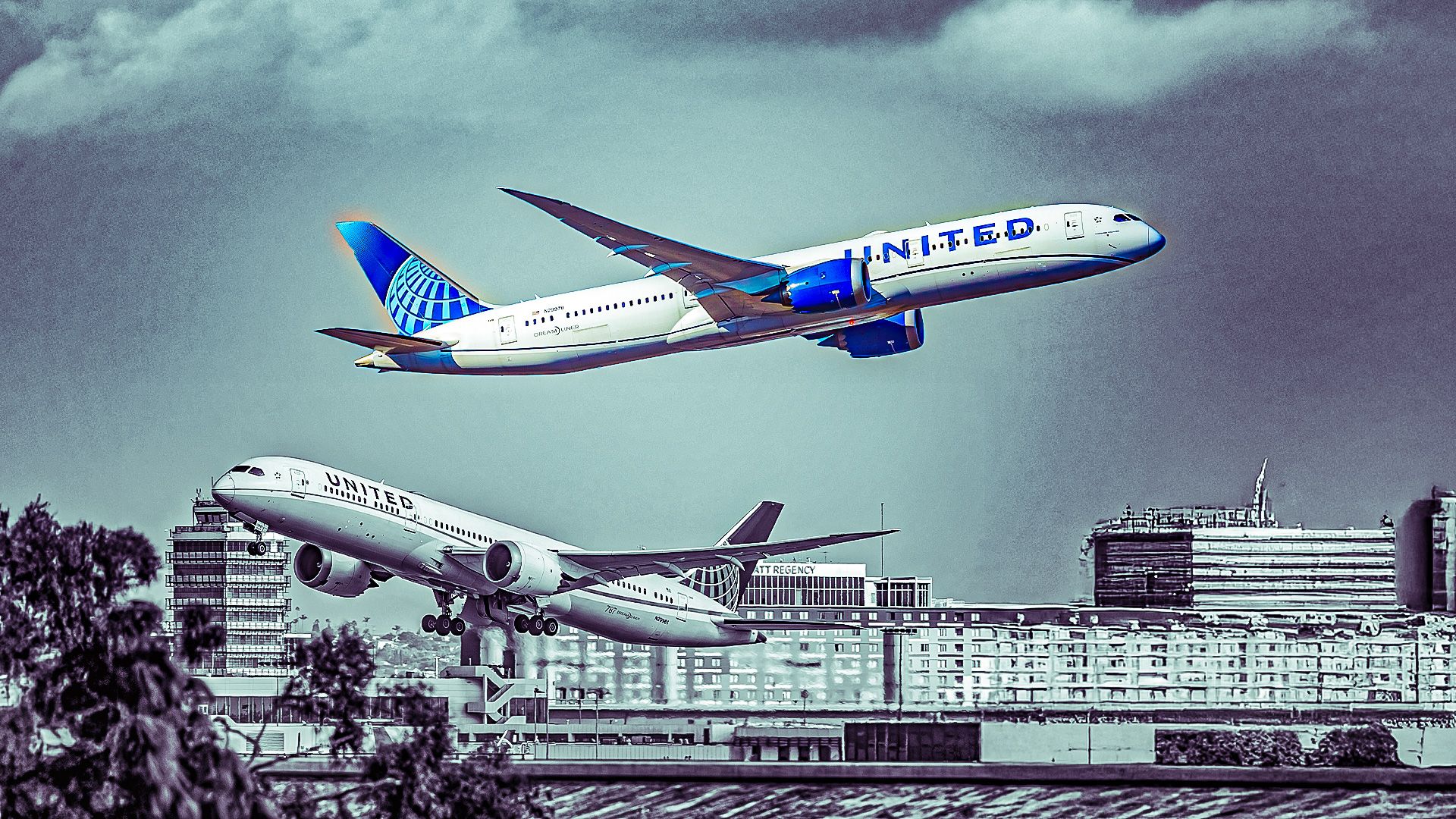
– 17 hours 40 minutes: San Francisco to Singapore – Singapore Airlines (two daily A350-900/A350-900ULR), United Airlines (two daily 787-9)
– 17 hours 35 minutes: Houston Intercontinental to Sydney – United (daily 787-9; seasonal)
– 17 hours 35 minutes: Delhi to New York JFK – Air India (six weekly A350-900), American Airlines (daily 787-9)
According to OAG, these durations are based on planned schedules for March to December 2026.
Performance Insights and Market Trends
The growth of these ultra-long-haul flights reflects changing patterns in global travel. For instance, Air New Zealand launched its service between Auckland and New York in 2022, marking the first time the airline connected to the city directly. In the year leading up to November 2025, Air New Zealand transported approximately 53,573 round-trip passengers on this route, achieving a seat factor of only 63.7%. In contrast, Qantas reported a higher seat occupancy of 80.0% for its services to New York.
The United Airlines route from Houston to Sydney has been operational since 2018 but has faced challenges in terms of passenger load. In the same reporting period, the load factor was just 69.0%, raising questions about the sustainability of this long-haul service.
As airlines continue to explore these ultra-long-haul routes, the impact on passenger experience and operational efficiency will be closely monitored. With six of the new destinations being served for the first time, the airline industry is poised to witness a shift in how long-distance travel is approached, potentially transforming the travel landscape in the coming years.