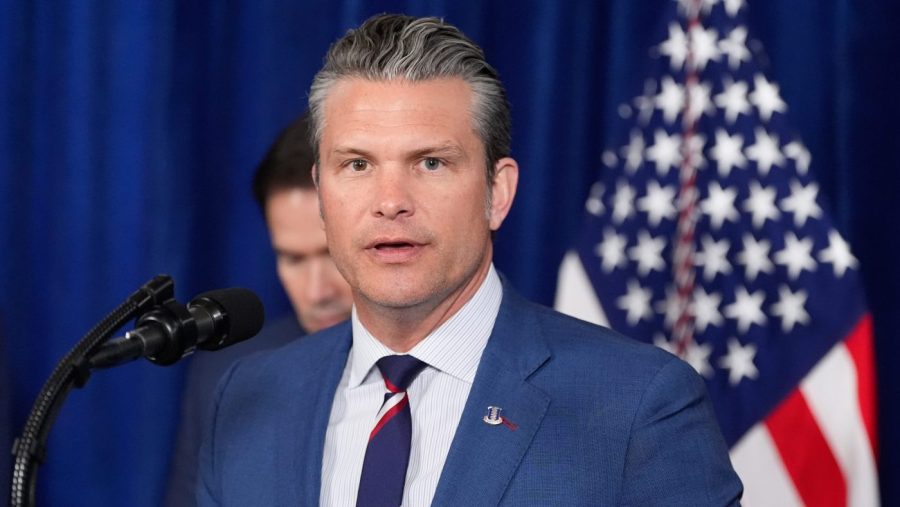
Defense Secretary Pete Hegseth made headlines recently with a light-hearted remark regarding a peculiar trend observed at the Pentagon. During a discussion about the “Pentagon Pizza Report,” Hegseth suggested that he might order random pizzas to the military headquarters to disrupt monitoring efforts tracking food deliveries. This playful comment comes amid a unique correlation between pizza orders and the onset of significant geopolitical events.
The “Pentagon Pizza Report,” which gained traction on the social media platform X, monitors delivery activity at local pizzerias near the Pentagon. According to the report, a surge in pizza orders has often coincided with major political and military developments. Hegseth’s quip highlights an unusual yet entertaining aspect of how food deliveries have been used as an informal barometer for international tensions.
In his remarks, Hegseth noted that if there is a noticeable increase in pizza deliveries to the Pentagon, it could merely be him trying to keep observers guessing. “I might just be ordering pizza to throw everybody off,” he joked, reflecting a light-hearted approach to an otherwise serious topic. The comment underscores the sometimes humorous side of high-stakes government work.
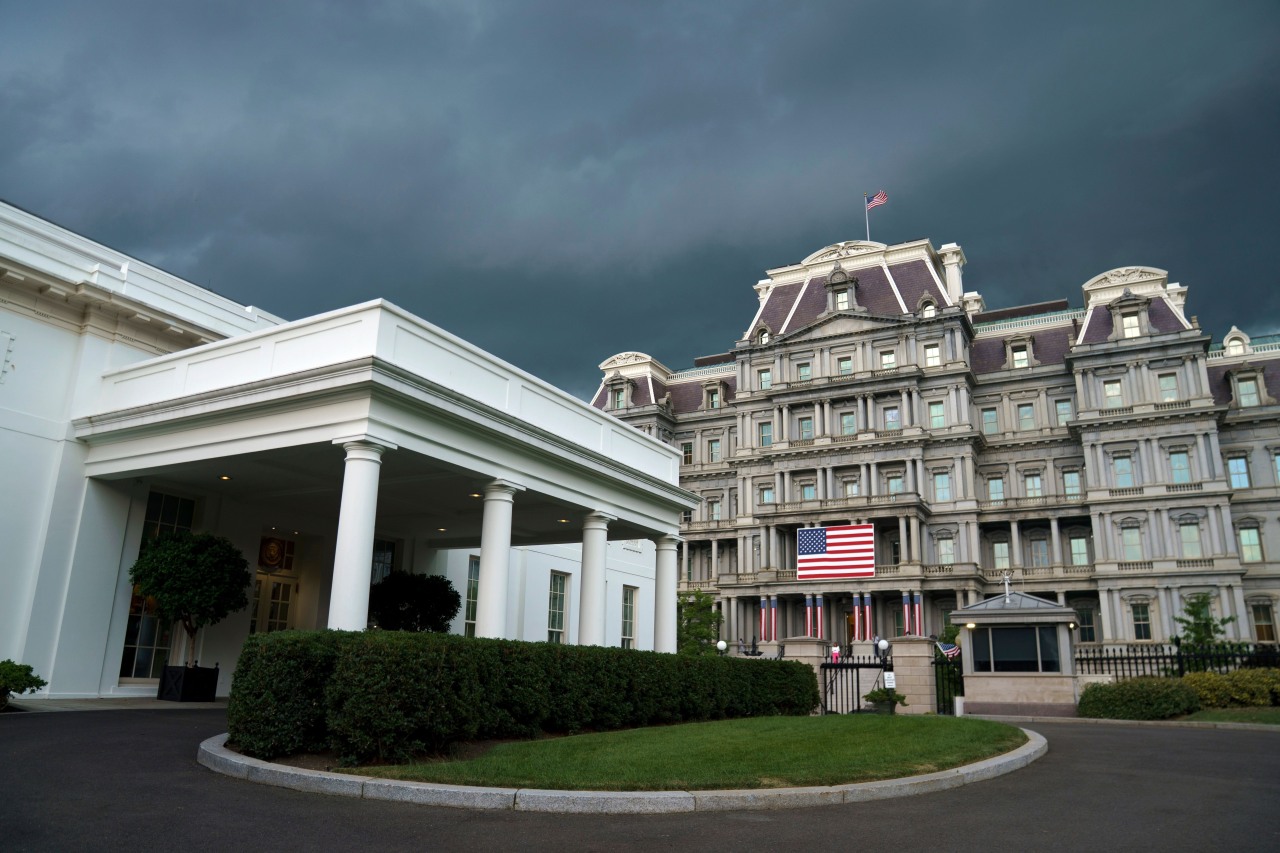
While the notion of monitoring pizza deliveries may seem trivial, it touches on broader themes of surveillance and public interest in government activities. The Pentagon, located in Arlington, Virginia, has long been a focal point for both military operations and public speculation regarding national security.
Hegseth, who has served as Secretary of Defense since July 2023, often engages in discussions that blend serious policy matters with moments of levity. His comments serve as a reminder that even in the most serious environments, humor can provide a welcome relief.
The interplay between food culture and geopolitical dynamics has found a quirky niche in the “Pentagon Pizza Report.” As the report continues to attract attention, it raises questions about how seemingly mundane activities can reflect broader global trends. Hegseth’s remarks invite both laughter and reflection on the unique ways in which society interprets the actions of its leaders and institutions.
As the world watches geopolitical developments unfold, the light-hearted nature of Hegseth’s comments offers a glimpse into the human side of those making critical decisions. Whether or not pizza orders can truly predict international events remains to be seen, but the engagement surrounding the topic highlights the public’s fascination with the intersection of food, culture, and politics.