Ukraine faces a dire reality as Russian forces continue to target its energy infrastructure amid ongoing conflict. Recent attacks have involved dozens of missiles and hundreds of drones aimed not just at military facilities but specifically at power plants, substations, and transmission lines. The intent is clear: to wield electricity as a weapon and disrupt civilian life. This approach has left many in Ukraine without heat or light during the harsh winter months.
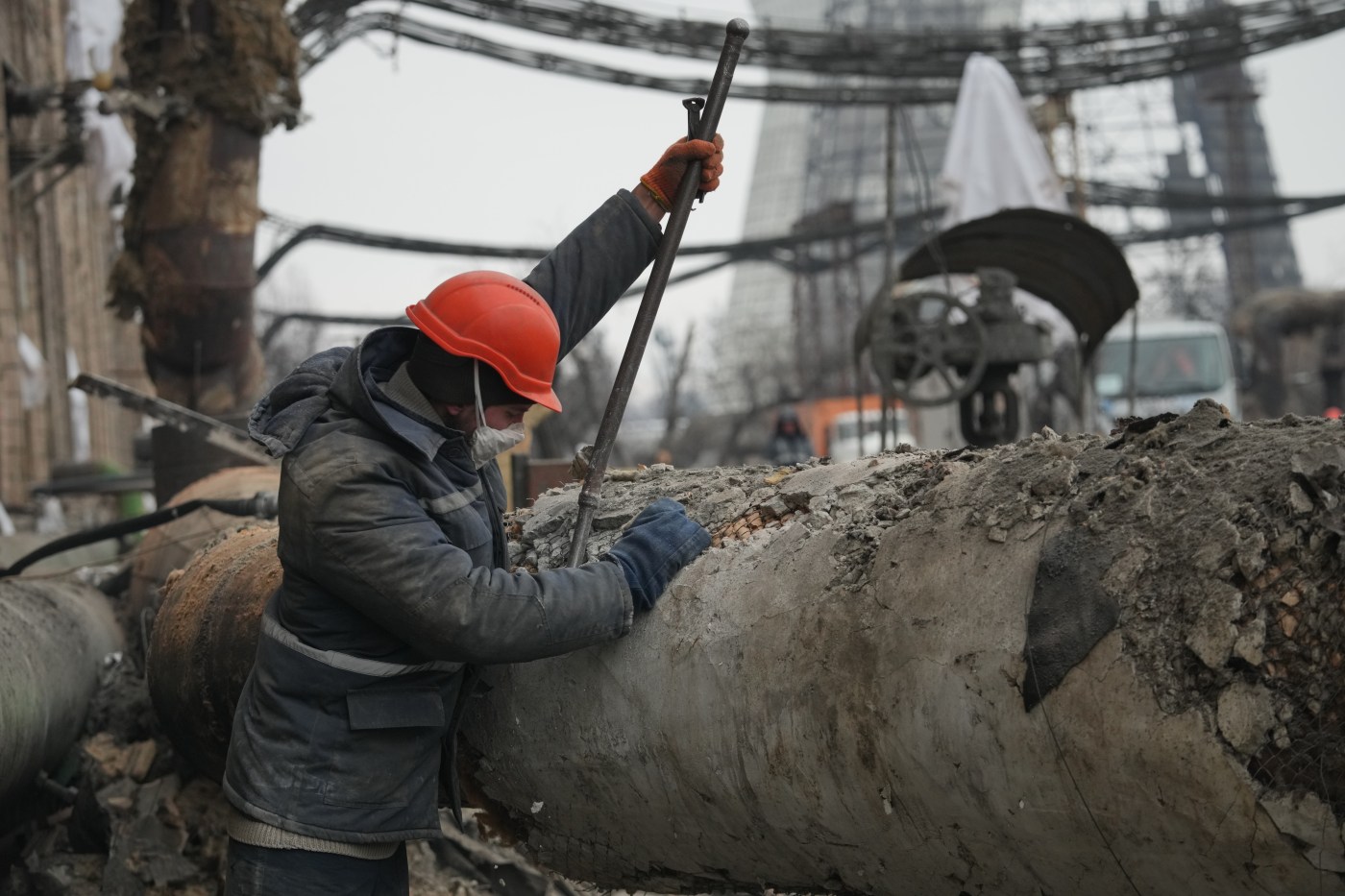
During a recent interview, Maxim Timchenko, the CEO of DTEK, Ukraine’s largest private energy company, highlighted the severity of the situation. He noted that while war has severely impacted the country’s power generation capabilities, repair crews remain dedicated. “What I see every day is not fear, but determination,” Timchenko said. He described the relentless efforts of workers who return to their posts, often under perilous conditions, to restore power after missile strikes.
Electricity as a Battlefield
Electricity has emerged as a central battleground in modern warfare. Disrupting power can halt hospitals, cripple water systems, and sever communications, causing immediate suffering for civilians. This strategy is not new for Russia. In 2015 and 2016, Russian hackers infiltrated Ukraine’s power grid, briefly cutting electricity to hundreds of thousands. Those initial cyberattacks gauged vulnerabilities without escalating hostilities. Now, the strategy has shifted to overt destruction through air strikes, particularly timed to coincide with freezing temperatures, turning power outages into humanitarian crises.
The stakes are high as Ukraine’s ability to maintain its energy supply increasingly depends on its air defenses. These systems are crucial not only for protecting military installations but also for safeguarding power plants and the workers who strive to keep them operational. Shortages in interceptor missiles lead to increased damage to the grid and longer blackouts for civilians. Delays in U.S. weapons deliveries exacerbate this situation, leaving homes colder and hospitals darker.
The Broader Implications
This tactic extends beyond Ukraine. In late December, Russian-linked hackers attempted a cyber attack on Poland, aimed at disrupting electricity during a cold snap. The attack was thwarted, but it underscored that critical energy infrastructure is increasingly seen as a target. Reports of attempted cyber intrusions in Italy further illustrate that this issue is not confined to Ukraine.
Historically, energy systems, including natural gas pipelines and oil infrastructure, have operated largely out of public view. However, in Ukraine, these systems are actively targeted as military objectives due to their central role in civilian life. In response, Ukraine has launched strikes against Russian oil refineries and fuel depots to undermine Moscow’s war logistics.
The implications of this conflict extend far beyond Eastern Europe. Modern societies are heavily dependent on electricity, and a prolonged blackout in any major city could disrupt water supplies, food chains, healthcare, and communications. The current situation in Ukraine serves as a critical warning that wars are now fought over infrastructure that supports daily life.
Ukraine’s energy workers, often returning to damaged sites, embody the resilience needed to keep the lights on for countless individuals. The ongoing conflict illustrates that modern warfare is increasingly about targeting what civilians rely on most. The outcome of Ukraine’s struggle to defend its power systems could determine whether this tactic becomes a new norm in warfare or a cautionary tale that remains unheeded.