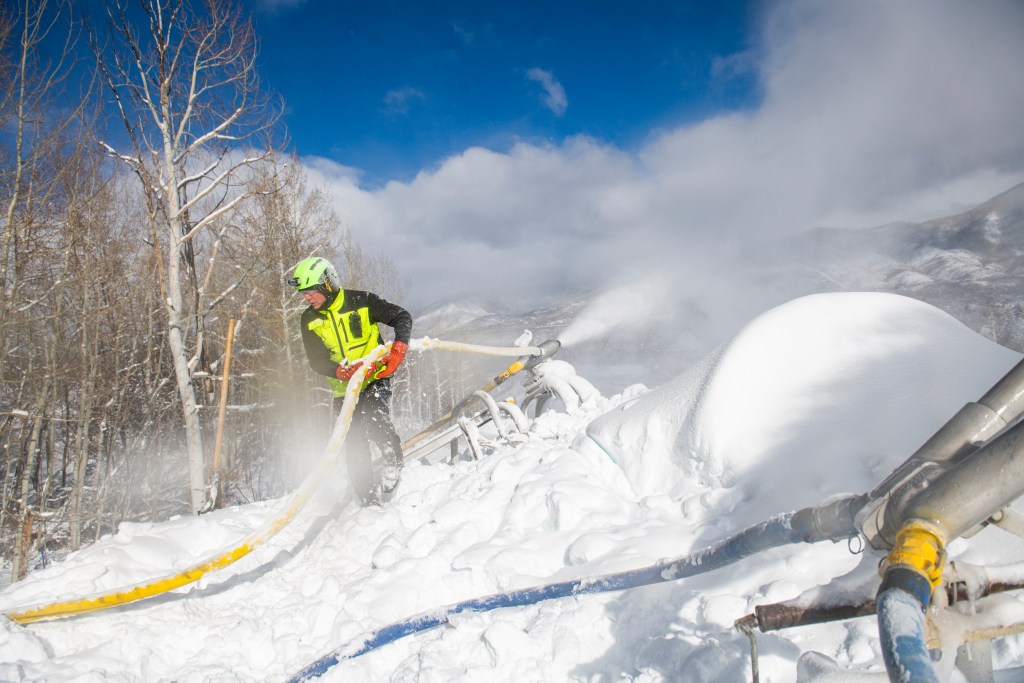
Recent discussions surrounding the reduced snowpack in Colorado have ignited a debate on the implications of climate change and its potential long-term impact on the state’s ski industry and water resources. Various opinions have emerged regarding whether the current conditions are a sign of enduring climate shifts or merely temporary fluctuations.
Concerns Over Climate Change and Snowpack Data
The Denver Post’s three-part series titled “Endangered Snowpack,” published from February 15 to 17, 2023, has drawn attention for its focus on the relationship between climate change and recent weather patterns affecting Colorado’s ski resorts. Critics have voiced concerns that the reporting may reflect a bias, suggesting that the Post selectively emphasizes information that aligns with a predetermined narrative about climate change.
William Turner, a resident of Denver, argues that the series overlooks significant weather patterns over the past five years, which have included typical snowfall and temperatures. He highlights the extreme cold and snowfall experienced in the eastern United States this year, which resulted in over 100 fatalities, as evidence of weather variability that might be misinterpreted as indicative of climate change. Turner questions whether the Post’s reporting exhibits a form of “confirmation bias” that prioritizes specific events while disregarding others.
John Contino from Golden echoes similar sentiments, emphasizing the need for a comprehensive analysis that includes historical snowfall data. He critiques the Post’s projections for ski resort operations in 2050 and 2090, suggesting that the lack of historical graphs undermines the validity of future snowfall predictions. Contino believes that a more robust dataset would provide a clearer context for understanding the potential impacts of climate change on Colorado’s ski industry.
Water Rights and Political Implications
Another aspect of the discourse centers around water rights and the implications of ongoing drought conditions. In a separate commentary, Richard (Dick) Emerson from Denver urges caution as negotiations over water distribution from the Colorado River continue to stall. The article notes that the Upper Basin states are reluctant to reduce their water allotments during low-flow years, a situation that poses risks to both the ski industry and urban water supplies.
The importance of Colorado River water for snowmaking at ski resorts cannot be overstated, and Emerson warns that the political landscape could jeopardize existing water rights. As a “blue state,” Colorado may face challenges in maintaining its water allocations amid potential federal interventions, particularly as the Bureau of Reclamation’s authority looms over negotiations.
Chris Hoffman of Boulder raises the stakes further by addressing energy policy and its intersection with climate change. In a commentary, Hoffman argues that the framing of energy policy as a moral dilemma overlooks the systemic challenges that arise from transitioning to cleaner energy sources. He points to Colorado’s leadership in electric vehicle sales, which reached 25.3% of new sales in 2024, as a positive step toward reducing reliance on fossil fuels.
Hoffman critiques the notion that energy policy can be simplified into a binary choice, emphasizing the urgency of addressing climate change comprehensively. He believes that ignoring the moral implications of energy decisions could have lasting consequences for both Colorado and the global community.
The Role of Pets and Personal Well-Being
In a lighter commentary, Craig Marshall Smith from Highlands Ranch reflects on the emotional support that pets provide during challenging times, particularly during the pandemic. Smith shares his experiences with his dachshund, Harry, and underscores the important role that dogs play in enhancing human well-being amid social and political upheaval. This sentiment resonates with many who have turned to pets for companionship during trying periods.
Finally, David Shaw from Highlands Ranch challenges the political narrative surrounding family growth and support systems. He points out the disconnect between advocating for larger families while simultaneously reducing social safety nets that assist new parents. Shaw calls for a more supportive environment for families, emphasizing that children should be seen as a blessing that comes with the necessary financial backing to thrive.
The ongoing discussions surrounding Colorado’s snowpack, water rights, energy policy, and personal well-being highlight the complexities of navigating climate change and societal challenges. As residents engage in these dialogues, the need for balanced perspectives and thorough analysis becomes increasingly apparent.