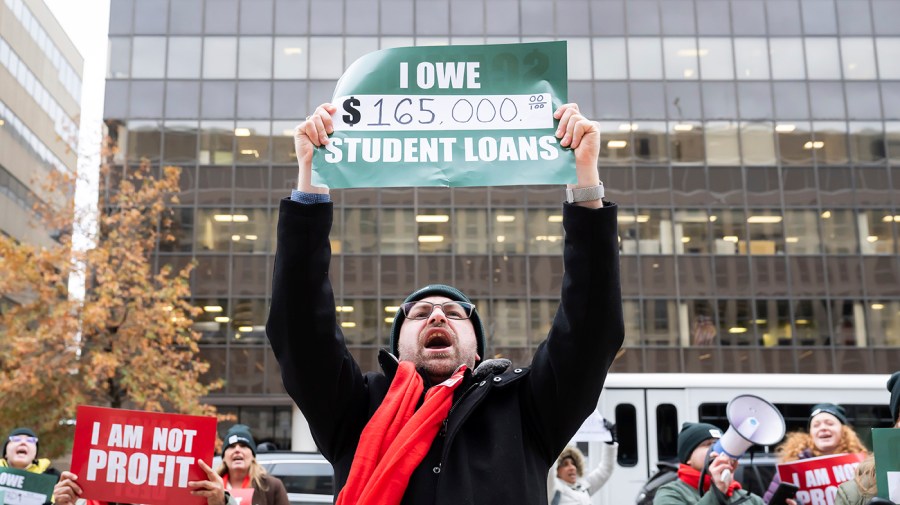
The U.S. Department of Education is intensifying efforts to reduce student loan default rates among colleges and universities ahead of significant changes set for this summer. The guidance, released this week, outlines recommended “best practices” for institutions to help mitigate default rates, which have raised concerns among advocates for borrowers.
The directive comes as the federal government prepares to implement new policies that may impact borrowers. The changes aim to create a more sustainable student loan system but have raised alarms regarding potential negative effects on students, particularly those from disadvantaged backgrounds.
In the guidance, the Department emphasizes the responsibility of educational institutions to actively manage the financial health of their students. It encourages colleges to improve financial literacy programs and enhance support systems for those struggling with loan repayments.
While the Department did not specify any penalties for failure to comply with these recommendations, the pressure is evident. Institutions are reminded that higher default rates can lead to sanctions, including the loss of eligibility for federal student aid programs. This could severely affect colleges that rely heavily on such funding.
According to data from the National Center for Education Statistics, the national student loan default rate was approximately 9.7% in 2021, a figure that has raised alarm among policymakers and advocates alike. The Education Department’s initiative seeks to lower these rates significantly as part of its broader strategy to ensure that students are not disproportionately burdened by debt after graduation.
The upcoming policy changes, effective July 2024, are expected to reshape the landscape of student loans in the United States. Advocates are concerned that, without adequate support from their institutions, many students could find themselves unable to manage their debts effectively.
Colleges are now tasked with not only providing education but also with fostering environments that promote financial well-being. This includes offering counseling services, creating repayment plans that are more manageable, and ensuring that students understand their loan obligations before graduation.
As the Trump administration pushes for reforms, the collaborative effort between the Department of Education and educational institutions will be crucial. The outcome of these initiatives could have lasting implications for millions of borrowers across the nation.
In conclusion, the Education Department’s recent guidance highlights the urgent need for colleges to take a proactive role in addressing student loan default rates. As the summer approaches, educational institutions must prepare to implement these strategies effectively, ensuring that they support their students in navigating the complexities of student loans.