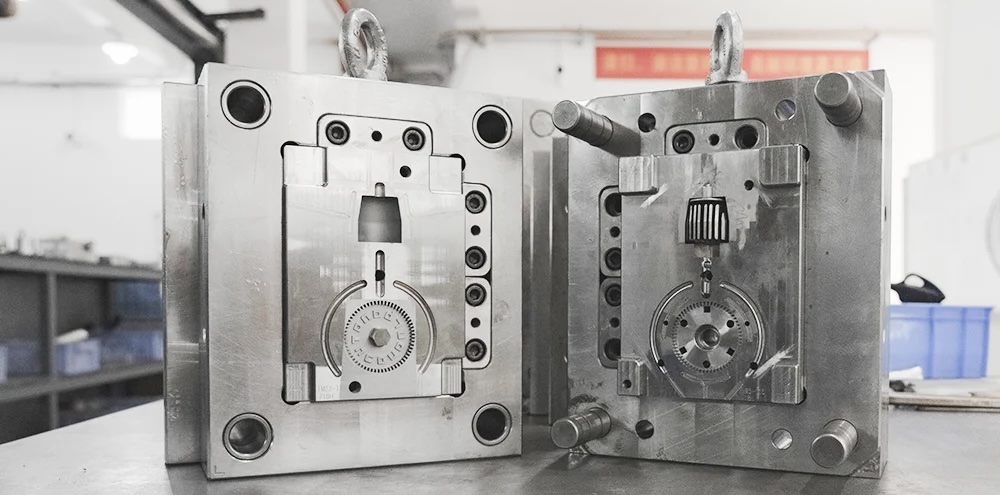
The landscape of injection molding is undergoing a significant transformation as automation integrates into every facet of the process. This shift extends beyond simple part extraction to encompass entire robotic cells that efficiently manage molding, inspection, assembly, and packaging. As companies strive to enhance productivity, the focus has shifted toward optimizing product design to drive robotic manufacturing efficiency.
Robotic automation in injection molding is not merely about selecting advanced machinery. It requires a holistic approach that takes into account multiple components including the choice of end-of-arm tooling (EOAT) and control systems. These elements play a critical role in determining the overall success of automation efforts. According to a report from the Global Factory Automation Market, the industry is projected to reach a value of $23.7 billion by 2023, highlighting the growing importance of automation in manufacturing.
Redefining Product Design for Automation
Incorporating automation into injection molding demands a re-evaluation of product design practices. Designers must consider how parts will be produced, assembled, and packaged in an automated environment. This involves not only the geometry of the components but also how they interact with robotic systems. For example, the weight and shape of a part can significantly impact the efficiency of the molding process and the tooling needed for extraction.
The integration of Industry 4.0 principles is essential in this regard. This approach emphasizes smart technology and data-driven decision-making, allowing manufacturers to create products that are not only efficient to produce but also easier to handle in an automated setup. Companies are increasingly leveraging simulation software and advanced modeling techniques to refine their designs before they reach the production floor.
The Role of Robotics in Enhancing Production
As the injection molding industry embraces automation, robotics has become a crucial component. Robots are now capable of performing a range of tasks, from precise part extraction to quality inspection. This versatility reduces the need for manual intervention, which can lead to errors and inefficiencies.
For instance, a robotic cell equipped with advanced EOAT can adapt to various tasks based on real-time data, ensuring that production lines remain flexible and responsive to changing demands. This adaptability is particularly valuable in industries where customization is key, allowing manufacturers to cater to specific customer needs without sacrificing efficiency.
The transition to fully automated systems also brings about significant cost savings. While initial investments in robotic technology can be substantial, the long-term benefits often outweigh these costs. Enhanced production rates, reduced labor costs, and improved product quality contribute to a more sustainable manufacturing model.
In conclusion, the evolution of injection molding through automation represents a critical advancement for the manufacturing sector. By prioritizing product design and integrating robotics into the production process, companies can achieve greater efficiency and adaptability. As the industry continues to evolve, embracing these technological enhancements will be key to remaining competitive in a rapidly changing market.