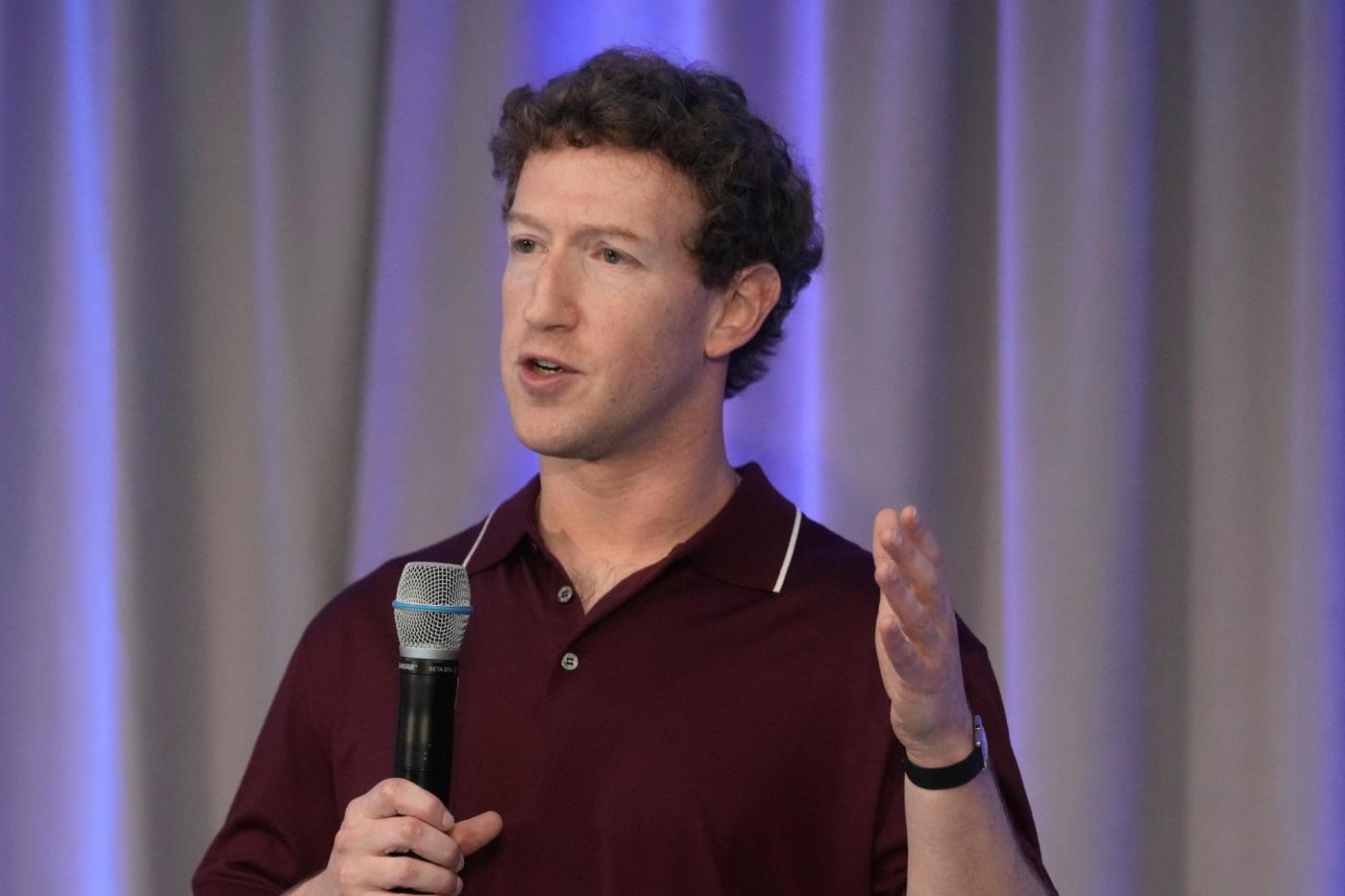
Meta CEO Mark Zuckerberg is set to testify in a significant trial concerning social media addiction on Wednesday in Los Angeles. This case centers around allegations from a now 20-year-old woman, referred to as “Kaley,” and her mother, who claim that addictive algorithms employed by Meta and YouTube severely impacted Kaley’s mental health from a young age. According to them, this led to depression and self-harm.
The trial has drawn considerable attention, with Mark Lanier, the attorney representing the plaintiffs, stating, “These features are ones that are specifically designed to get into a pre-teen or teen brain and give dopamine hits in such a way that they become as addictive as cigarettes, as opiates, as any addiction may be.” This assertion highlights the growing concerns over the role of social media in mental health issues among young users.
A spokesperson for Meta countered these claims, asserting that the company is “confident the evidence will show our longstanding commitment to supporting young people.” This trial marks a pivotal moment for social media accountability, as Zuckerberg will face scrutiny regarding the safety of young users for the first time before a jury.
Trial Background and Implications
The current proceedings come just over two years after Zuckerberg’s emotional apology to families during a Senate hearing. At that time, he was confronted by Senator Josh Hawley from Missouri, who asked him directly if he wished to apologize to families affected by social media-related tragedies. Zuckerberg responded, “No one should have to go through the things that your families have suffered,” emphasizing Meta’s commitment to improving safety measures.
The outcome of this trial could set a precedent for how social media companies like Meta, YouTube, TikTok, and Snapchat manage their platforms and protect users, especially children. Lanier has called for improved age-gating on apps and better measures to prevent access by those too young to use them responsibly.
Zuckerberg’s testimony will follow that of Adam Mosseri, the CEO of Instagram, who recently stated that he does not believe social media can be clinically addictive, although he acknowledged that its use could become problematic. This contrast in perspectives among tech leaders adds further complexity to the trial.
As this landmark case unfolds, many are watching closely to see how it may influence the future of social media regulation and corporate responsibility regarding user safety. The implications of the jury’s decision could reverberate through the industry, prompting significant changes in how platforms operate.
Given the stakes involved, this trial represents more than just a legal battle; it speaks to broader societal concerns regarding the impact of technology on mental health, particularly among vulnerable populations. With the potential for substantial changes in policy and practice, the outcome could reshape the digital landscape for years to come.