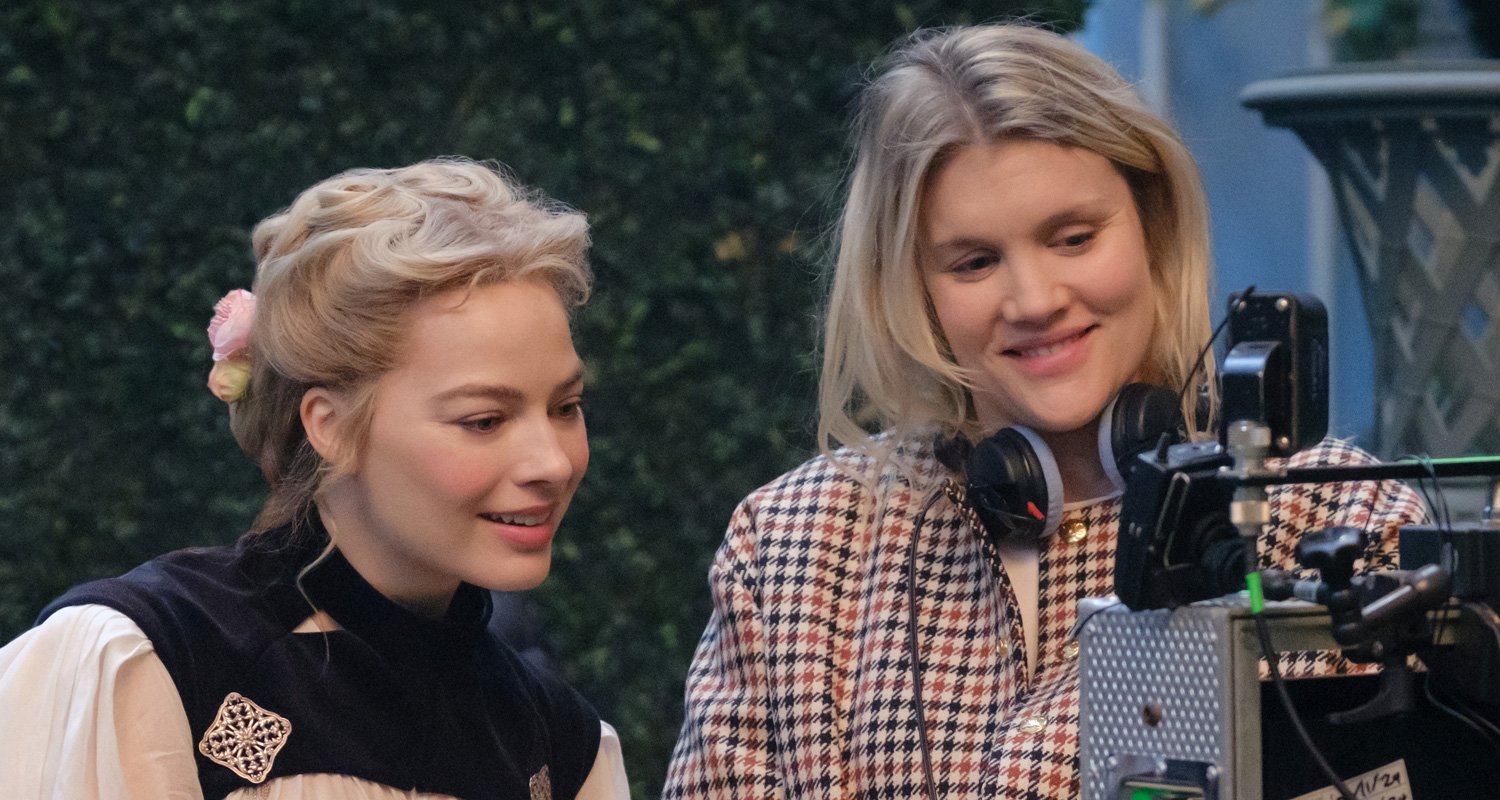
Emerald Fennell, the acclaimed writer and director, has shared insights into the significant changes she made in her film adaptation of Wuthering Heights. In a recent interview with Entertainment Weekly, the 40-year-old filmmaker discussed her vision for the project and the reasons behind her creative decisions. Her adaptation has sparked controversy due to the liberties taken with the original material.
Fennell expressed that her approach was not intended to be a direct replication of Emily Brontë’s classic novel. Instead, she aimed to produce a film that reflected her personal interpretation of the story and its emotional essence. “It was funny, you know, I think the things that I remembered were both real and not real,” she noted, revealing the complex relationship she had with the source material.
Focus on Core Themes
In her adaptation, Fennell chose to concentrate on the initial half of the book, which she believes captures the essence of the characters, particularly Cathy and Heathcliff. “When you look at not just other movie adaptations of this, but Kate Bush‘s song, or Balthus‘ lithographs, or a lot of the kind of contemporary illustrations, most of them tend to focus on Cathy and Heathcliff,” she stated. This decision to highlight these pivotal characters led to the exclusion of certain plot points and characters, which Fennell described as “hard decisions” necessary for the film’s coherence.
Fennell’s commitment to her artistic vision comes with the acknowledgment that a more expansive adaptation could have been achieved through a mini-series format. “I would do a mini series and encompass the whole thing over 10 hours, and it would be beautiful,” she remarked. However, she recognized the constraints of a feature-length film, which requires a more streamlined narrative.
Critics Weigh In
The film has generated mixed reactions from critics, prompting discussions about the balance between artistic interpretation and fidelity to the original text. Fennell’s choices have ignited debates among fans of the novel, with some appreciating her fresh take while others feel a sense of loss regarding the omitted elements.
As the film is set to resonate with audiences, Fennell hopes that her adaptation will inspire viewers to engage with the original novel in new ways. The release of the film has attracted attention not only for its artistic merits but also for the conversations it has sparked about storytelling in contemporary cinema.
In the end, Fennell’s adaptation of Wuthering Heights stands as a testament to the ongoing dialogue between classic literature and modern filmmaking, inviting audiences to explore the depths of Brontë’s work through her unique lens.