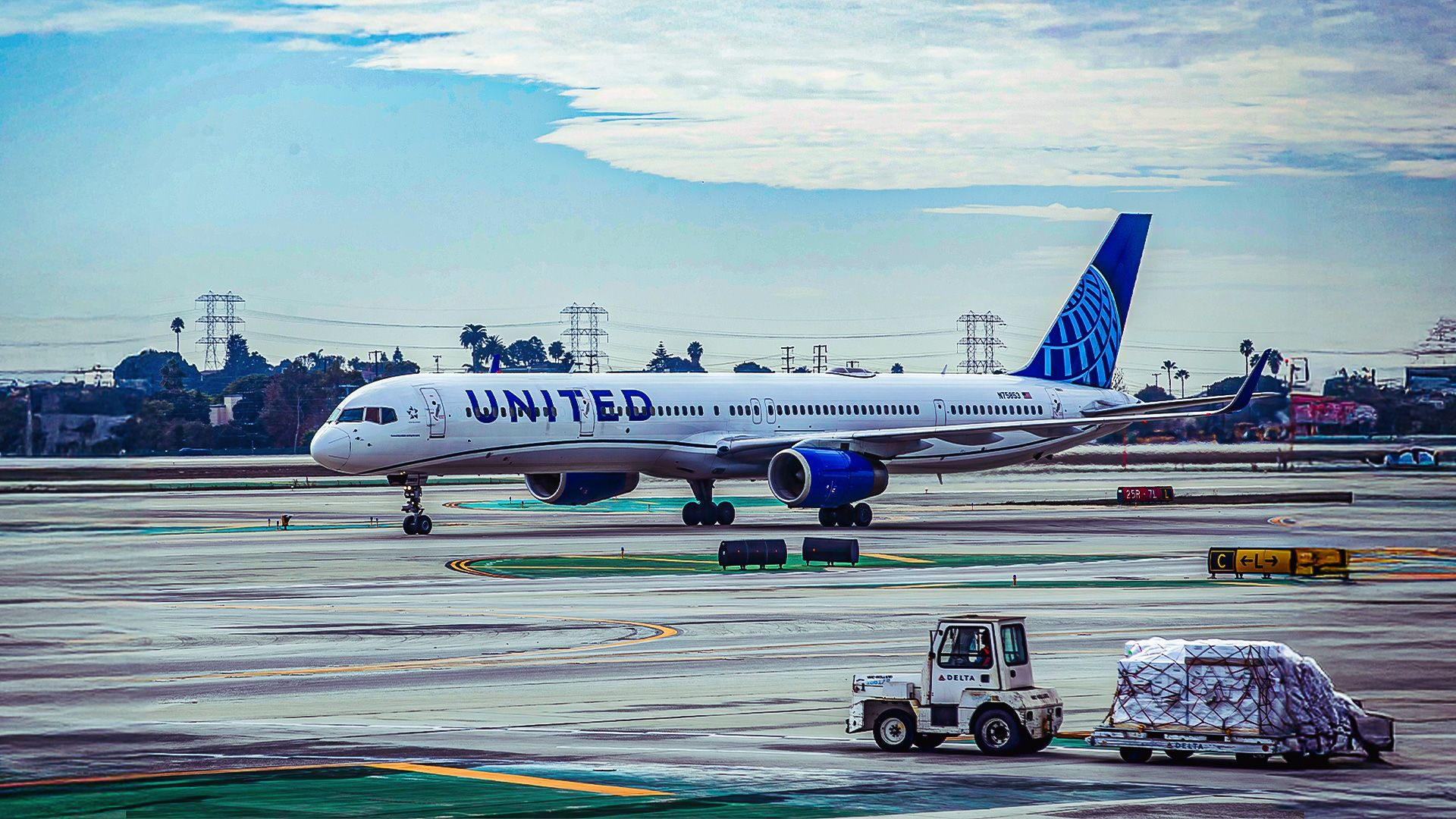
United Airlines’ offer to increase pay for its flight attendants has faced rejection from the Association of Flight Attendants (AFA-CWA), representing approximately 30,000 crew members. The airline proposed a compensation package that would place its flight attendants among the highest paid in the industry. However, the union insists on a key stipulation: that flight attendants should be compensated for all hours worked, including pre-flight duties and delays, rather than solely for the time spent in the air.
The debate surrounding ground pay has intensified within the airline industry. Currently, flight attendants receive payment only once the aircraft doors are closed and the plane has departed the gate. This system excludes crucial pre-flight responsibilities such as check-ins, briefings, and delays that may occur before takeoff.
Flight attendants at United Airlines have experienced stagnation in their salaries over the past five years, as highlighted by industry analyst Gary Leff on his blog, View From The Wing. The union has consistently rejected contracts negotiated by the airline, maintaining that remuneration should extend beyond in-flight hours to include all time spent at work.
Compromise proposals have emerged, including the concept of a ‘sit’ pay, which would offer compensation for downtime between flights. Although United Airlines has recently indicated its willingness to consider ground pay, this would not lead to an increase in standard wages. Instead, flight attendants would face a reduction in guaranteed hours, decreasing from 78 to 75 hours monthly. This reduction would also phase out the reserve override, a system that allows for additional pay when required to cover shifts.
The union’s members expressed their dissatisfaction with previous negotiations, particularly regarding the lack of progress in securing ground pay. The most recent contract proposal was rejected by 71% of the union’s members, prompting further discussions about what matters most to flight attendants.
Concerns extend beyond pay; issues such as the quality of layover accommodations also weigh heavily on crew members. United Airlines has communicated its intent to explore ground pay options, but the union remains wary, as many members oppose the implementation of a Preferential Bidding System (PBS). While PBS is common among other major airlines in the U.S., its adoption at United could disrupt existing practices that flight attendants prefer.
Industry norms dictate that flight attendants are compensated for the time the aircraft is in motion, effectively limiting their pay to when the plane is in the air. While some airlines offer additional benefits such as boarding pay or daily guarantees, this standard practice is rooted in the Railway Labor Act, which has been established for decades. This system allows airlines to manage costs efficiently while avoiding compensation for time spent in terminals.
As negotiations continue, the future of flight attendant compensation at United Airlines remains uncertain. The outcome will hinge on whether the union and its members are prepared to accept the latest proposals and move towards a resolution that addresses both pay and working conditions for the crew.